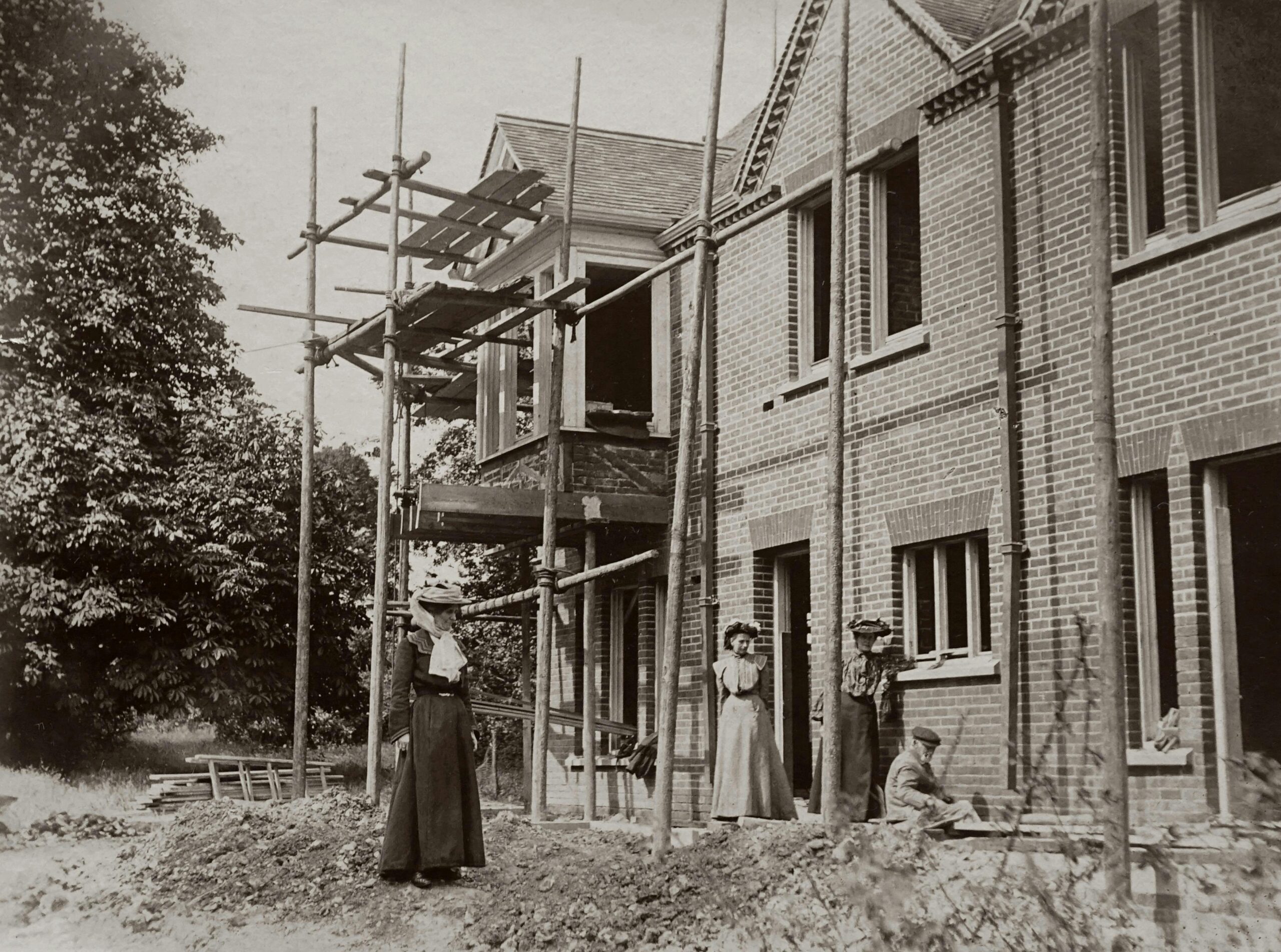
The global housing crisis affects millions of people worldwide, creating barriers to homeownership, escalating rental costs, and limiting access to safe, affordable shelter for families and individuals alike.

🏘️ Understanding the Depth of Today’s Housing Challenge
The housing crunch represents one of the most pressing socioeconomic issues of our generation. Across developed and developing nations alike, families struggle to find affordable places to live, young professionals delay major life decisions due to housing insecurity, and communities face the ripple effects of inadequate housing supply. This crisis didn’t emerge overnight—it’s the culmination of decades of policy decisions, economic shifts, demographic changes, and urban planning approaches that failed to anticipate current needs.
Housing affordability has deteriorated significantly over the past two decades. In many major metropolitan areas, median home prices have increased by 200-300% while wages have barely kept pace with inflation. The result is a growing gap between what ordinary families can afford and what homes actually cost. Rental markets tell a similar story, with renters spending increasingly larger portions of their income on housing, leaving less for savings, education, healthcare, and other essential needs.
The consequences extend far beyond individual hardship. Communities face increased homelessness, workers endure long commutes from affordable areas to job centers, and economic inequality deepens as homeownership—traditionally a pathway to wealth building—becomes accessible only to the privileged few. Understanding this multifaceted challenge is the first step toward meaningful solutions.
🔍 Root Causes Behind the Housing Shortage
Multiple factors converge to create today’s housing crisis, and addressing it requires understanding each contributing element. The supply-demand imbalance stands as the most fundamental issue. Simply put, we’re not building enough homes to meet population growth and household formation. In many regions, new housing construction has lagged behind demand for over a decade, creating accumulated deficits of millions of housing units.
Regulatory and Zoning Barriers
Restrictive zoning laws represent a significant obstacle to increasing housing supply. Many neighborhoods are zoned exclusively for single-family homes, prohibiting the construction of duplexes, townhouses, or apartment buildings that could house more people on the same land. These regulations, often enacted decades ago, reflect outdated assumptions about ideal community design and exclude diverse housing types that could provide affordable options.
The approval process for new construction frequently involves multiple layers of bureaucracy, environmental reviews, public hearings, and potential legal challenges from existing residents. While some oversight ensures quality development, excessive regulation adds years to project timelines and significant costs to final housing prices. Developers must navigate this complex landscape, and those costs ultimately transfer to buyers and renters.
Economic and Financial Factors
Construction costs have risen dramatically due to labor shortages, supply chain disruptions, and increasing material prices. The skilled trades workforce hasn’t kept pace with demand, partly due to decades of underinvestment in vocational training. Lumber, concrete, steel, and other essential materials have experienced price volatility, making project budgeting challenging and increasing financial risk for developers.
Land prices in desirable areas have skyrocketed, particularly in urban centers where job opportunities concentrate. Developers must pay premium prices for buildable parcels, which necessitates constructing higher-end housing to achieve profitability. This dynamic leaves lower and middle-income housing underserved, as the financial math simply doesn’t work without subsidies or incentives.
Demographic and Migration Trends
Population distribution has shifted dramatically in recent years. Younger generations prefer urban lifestyles with walkable amenities, while remote work has enabled others to relocate from expensive coastal cities to more affordable regions. These migration patterns create sudden demand surges in previously stable housing markets, overwhelming local supply before construction can respond.
Household composition has evolved as well. Single-person households, multigenerational families, and non-traditional living arrangements have increased, each with unique housing needs. Our housing stock, dominated by single-family homes designed for nuclear families, doesn’t match this demographic reality, creating mismatches between available units and actual household requirements.
💡 Innovative Solutions Transforming Housing Access
Despite the challenges, communities worldwide are pioneering innovative approaches to increase housing availability and affordability. These solutions range from policy reforms to technological innovations, from new construction methods to creative financing models. Success requires coordinated action across multiple fronts, combining regulatory reform, private sector innovation, and public investment.
Zoning Reform and Policy Innovation
Progressive jurisdictions are reimagining zoning codes to permit greater housing diversity. Minneapolis made headlines by eliminating single-family-only zoning citywide, allowing duplexes and triplexes in formerly restricted neighborhoods. Oregon passed statewide legislation requiring cities to allow fourplexes in residential zones. These reforms enable “gentle density”—modest increases in housing units that preserve neighborhood character while expanding affordability.
Accessory Dwelling Units (ADUs)—small secondary homes on single-family lots—have gained traction as a flexible housing solution. Also called granny flats or backyard cottages, ADUs provide housing for renters, aging parents, or young adults while generating income for homeowners. Regulatory reforms streamlining ADU approval have unleashed this housing supply in cities like Los Angeles, Seattle, and Portland.
Expedited approval processes for affordable housing projects reduce delays and costs. Some municipalities have created pre-approved design templates for multifamily housing, allowing developers to bypass lengthy reviews if they follow established guidelines. These reforms cut months or years from project timelines, reducing financing costs and accelerating housing delivery.
Modern Construction Technologies
Modular and prefabricated construction methods are revolutionizing how we build homes. Factory-built housing components arrive on-site ready for rapid assembly, reducing construction time by 30-50% compared to traditional methods. Quality control improves in controlled factory environments, waste decreases, and weather delays diminish. While initial setup costs are significant, economies of scale make modular construction increasingly cost-competitive.
3D printing technology has progressed from experimental curiosity to viable construction method. Several companies now print homes using concrete or composite materials, dramatically reducing labor requirements and construction waste. Printed homes can be completed in days rather than months, with designs optimized for material efficiency. As the technology matures and scales, costs continue declining toward truly affordable levels.
Sustainable building practices reduce long-term housing costs even if initial construction expenses run higher. Energy-efficient designs, solar panels, high-performance insulation, and smart home systems lower utility bills significantly over a home’s lifetime. Green building certifications increasingly drive market demand, making sustainable features not just environmentally responsible but financially advantageous.
Creative Financing and Ownership Models
Community Land Trusts (CLTs) separate land ownership from building ownership, keeping housing permanently affordable. A nonprofit organization owns the land while residents own their homes, with restrictions on resale prices ensuring affordability for future buyers. This model prevents speculation from inflating prices while building equity for homeowners. CLTs have successfully maintained affordable housing in gentrifying neighborhoods for decades.
Shared equity programs allow moderate-income families to purchase homes with assistance from government or nonprofit partners who retain partial ownership. When the home sells, appreciation is shared proportionally, helping the initial buyer build some wealth while returning funds to assist future homebuyers. These programs expand homeownership access without creating long-term subsidy obligations.
Cooperative housing models, where residents collectively own and govern their buildings, offer affordability and community benefits. Limited-equity cooperatives restrict resale profits, maintaining affordability across generations. Housing cooperatives often achieve lower per-unit costs through shared resources, collective purchasing power, and sweat equity contributions from residents.
🌆 Reimagining Urban Planning for Housing Abundance
Creating housing abundance requires rethinking how we design and develop communities. Traditional suburban sprawl patterns consume vast land areas while generating traffic congestion, environmental degradation, and infrastructure inefficiency. Alternative approaches can deliver more housing while creating more livable, sustainable communities.
Transit-Oriented Development
Building housing near public transportation creates multiple benefits. Residents reduce transportation costs—often the second-largest household expense after housing—while decreasing car dependency and emissions. Transit-oriented developments concentrate housing, employment, and amenities within walkable distances of rail stations or bus hubs, supporting viable public transit ridership while increasing housing supply in job-rich areas.
Mixed-use development integrates residential, commercial, and sometimes industrial uses in the same buildings or neighborhoods. Residents can live, work, and shop within walking distance, reducing commute times and supporting local businesses. These vibrant neighborhoods tend to be more socially connected, economically resilient, and environmentally sustainable than single-use zones.
Adaptive Reuse and Infill Development
Converting underutilized commercial buildings into housing taps existing structures in established neighborhoods. Obsolete office towers, shopping malls, hotels, and industrial buildings can gain new life as residential spaces. Adaptive reuse preserves embodied energy in existing buildings, leverages existing infrastructure, and revitalizes struggling commercial districts—all while creating housing without consuming undeveloped land.
Infill development builds on vacant or underutilized parcels within existing neighborhoods. Parking lots, abandoned buildings, and other overlooked sites offer opportunities to add housing where infrastructure already exists. Strategic infill increases density gradually, supporting local businesses, reducing per-capita infrastructure costs, and housing people near established job centers.
🤝 The Role of Public-Private Partnerships
No single sector can solve the housing crisis alone. Effective solutions require collaboration between government, private developers, nonprofit organizations, and communities. Public-private partnerships leverage the strengths of each sector—government’s regulatory authority and funding capacity, private sector’s efficiency and innovation, nonprofits’ mission focus and community relationships.
Governments can contribute land, infrastructure investment, tax incentives, and regulatory streamlining. Private developers bring capital, construction expertise, and market knowledge. Nonprofit organizations ensure community needs guide development and affordability remains central. Successful partnerships balance these interests, creating housing that serves diverse income levels while maintaining financial viability.
Inclusionary zoning policies require or incentivize developers to include affordable units in market-rate projects. Developers might receive density bonuses—permission to build more units than normally allowed—in exchange for designating a percentage as affordable housing. These policies integrate economic diversity within buildings and neighborhoods rather than concentrating affordable housing in specific areas.
🌍 Global Perspectives on Housing Solutions
The housing crisis is global, but different regions have developed distinct approaches worth examining. Vienna’s social housing program, established a century ago, houses nearly half the city’s population in high-quality, affordable apartments managed by the city or limited-profit companies. Singapore’s Housing and Development Board provides homeownership opportunities for over 80% of residents through subsidized apartments, creating one of the world’s highest homeownership rates.
Japan’s flexible zoning and streamlined approval processes allow housing supply to respond quickly to demand, keeping major cities like Tokyo remarkably affordable despite dense populations and strong demand. Japanese zoning is permissive rather than restrictive, allowing diverse building types almost everywhere, and national building codes preempt local obstruction, enabling housing construction where people want to live.
Learning from international examples doesn’t mean direct replication—different political systems, cultural values, and economic conditions require adapted approaches. However, these examples demonstrate that housing abundance is achievable through sustained commitment, smart policies, and willingness to prioritize housing access over preservation of the status quo.
🚀 Building Momentum Toward Housing Abundance
Creating a future where everyone accesses safe, affordable housing requires sustained effort across multiple dimensions. Advocacy organizations are building political will for housing reforms, educating the public about the connection between restrictive zoning and housing unaffordability. YIMBY (Yes In My Backyard) movements mobilize pro-housing voices to counter NIMBYism (Not In My Backyard) that traditionally dominates local planning processes.
Technology platforms are emerging to streamline aspects of housing development and access. Digital permitting systems reduce bureaucratic friction. Online marketplaces connect potential ADU builders with design, financing, and construction services. Property management platforms make small-scale landlording more manageable, encouraging homeowners to rent out spare rooms or ADUs.
Workforce development initiatives address construction labor shortages through training programs, apprenticeships, and efforts to attract diverse populations to skilled trades. As baby boomers retire from construction, intentional recruitment and training of the next generation becomes critical for maintaining construction capacity.
🎯 Creating Your Impact in the Housing Movement
Everyone can contribute to expanding housing opportunities, regardless of their profession or resources. Homeowners might add an ADU, providing housing while generating income. Attending local planning meetings and voicing support for housing projects counterbalances opposition that typically dominates these forums. Voting for candidates and ballot measures supporting housing abundance translates individual concern into political action.
Professional contributions matter too. Architects can design efficient, affordable housing. Urban planners can champion policies that prioritize housing. Lawyers can provide pro bono services to nonprofit housing developers. Financial professionals can structure innovative financing for affordable projects. Teachers can educate the next generation about housing policy and urban planning.
Supporting organizations working on housing issues amplifies your impact. Community land trusts, affordable housing developers, tenant advocacy groups, and housing policy organizations need volunteers, donations, and public support. Joining these efforts connects you with others working toward housing abundance while building expertise and relationships.
🏡 Envisioning Tomorrow’s Housing Landscape
A future of housing abundance looks different from today’s constrained reality. Neighborhoods feature diverse housing types—single-family homes alongside townhouses, small apartment buildings, and accessory units—creating visual variety and economic diversity. People across income levels live near job centers, schools, and amenities rather than facing long commutes from the only places they can afford.
Young people establish independent households without sacrificing other financial goals. Families find suitable homes when they expand. Seniors age in place or downsize without leaving their communities. Essential workers—teachers, nurses, firefighters—live in the communities they serve. Housing becomes a foundation for opportunity rather than a barrier to advancement.
This future requires collective will to prioritize housing abundance over preservation of artificial scarcity. It demands willingness to accept change in our neighborhoods, recognizing that housing more people strengthens rather than threatens communities. It needs sustained commitment to reforming policies, investing resources, and building partnerships across traditional divides.

🌟 The Path Forward Starts Today
Tackling the housing crunch and building a future of opportunities for everyone is neither simple nor quick. Decades of underbuilding, restrictive policies, and disinvestment cannot be reversed overnight. However, the momentum is building. More people recognize housing as a fundamental challenge affecting economic opportunity, social equity, and community wellbeing. Political coalitions supporting housing abundance are growing stronger.
Every solved housing crisis began with people refusing to accept scarcity as inevitable. Every successful housing policy started with advocates demanding change. Every built home represents jobs, opportunities, and families achieving stability. The housing future we want requires action today—from policy reforms to construction projects, from advocacy to innovation, from individual choices to collective movements.
The housing crunch challenges us, but it also presents opportunities to build better communities than we’ve had before. Communities that are more inclusive, sustainable, and vibrant. Neighborhoods that house economic diversity rather than segregating by income. Cities that grow thoughtfully rather than sprawling endlessly or stagnating artificially. Unlocking homes means unlocking human potential, and that future is worth building together.