
Noise and pollution are invisible threats slowly eroding our health, well-being, and environment. These silent invaders demand urgent attention and collective action for sustainable change.

🌍 Understanding the Dual Threat: Noise and Environmental Pollution
Modern civilization has brought unprecedented progress, but it comes with hidden costs. Pollution and noise have become pervasive elements of contemporary life, affecting billions worldwide. While visible pollution often captures headlines, noise pollution remains an underestimated adversary that silently damages our physical and mental health.
Environmental pollution encompasses air, water, soil, and light contamination, while noise pollution represents unwanted or harmful sound levels that disrupt natural balances. Together, these invaders compromise the quality of life across urban and increasingly rural landscapes. Understanding their sources, impacts, and solutions is the first step toward reclaiming healthier environments.
The World Health Organization recognizes both noise and environmental pollution as significant public health concerns. Air pollution alone causes approximately seven million premature deaths annually, while noise pollution affects nearly half of Europe’s urban population at harmful levels. These statistics underscore the urgency of addressing these interconnected challenges.
🔊 The Hidden Dangers of Noise Pollution
Noise pollution infiltrates our lives through multiple channels: traffic, construction, industrial activities, airports, entertainment venues, and even household appliances. Unlike visual pollution, noise disappears without leaving physical traces, making it easy to ignore until health consequences emerge.
Prolonged exposure to noise levels above 70 decibels can trigger stress responses, elevate blood pressure, and disrupt sleep patterns. Chronic exposure above 85 decibels risks permanent hearing damage. Yet many urban dwellers routinely experience noise levels exceeding these thresholds without realizing the cumulative harm.
Health Consequences Beyond Hearing Loss
The impacts of noise pollution extend far beyond auditory damage. Research consistently links excessive noise exposure to cardiovascular diseases, including hypertension and heart attacks. The stress hormones released during noise exposure create inflammatory responses that contribute to these conditions.
Mental health suffers equally. Constant noise disrupts concentration, reduces productivity, and increases anxiety and irritability. Children exposed to chronic noise show impaired cognitive development, struggling with reading comprehension and memory formation. Sleep disruption from noise accelerates these problems, as quality rest becomes impossible.
Communities near airports, highways, or industrial zones bear disproportionate burdens. Studies reveal that residents in these areas experience higher rates of depression, stress-related disorders, and reduced overall life satisfaction compared to quieter neighborhoods.
☁️ The Pervasive Reach of Environmental Pollution
Environmental pollution manifests in countless forms, each with distinct characteristics and consequences. Air pollution from vehicles, factories, and power plants releases particulate matter and toxic gases that penetrate deep into lungs and bloodstreams. Water pollution from industrial discharge, agricultural runoff, and plastic waste contaminates drinking supplies and devastates aquatic ecosystems.
Soil pollution from chemicals, heavy metals, and improper waste disposal renders land infertile and introduces toxins into food chains. Light pollution disrupts natural cycles for humans and wildlife alike, affecting sleep patterns and ecological behaviors. Plastic pollution has created floating garbage patches in oceans while microplastics infiltrate every ecosystem on Earth.
The Global Health Emergency
Air quality deterioration represents one of humanity’s most pressing challenges. Fine particulate matter (PM2.5) causes respiratory diseases, lung cancer, and cardiovascular conditions. Children and elderly populations face heightened vulnerability, but no demographic remains immune to these microscopic invaders.
Water contamination spreads disease and toxins to millions lacking access to clean drinking sources. Heavy metals like lead and mercury accumulate in bodies, causing neurological damage and developmental problems. Chemical pollutants disrupt endocrine systems, contributing to reproductive issues and various cancers.
The interconnected nature of environmental systems means pollution rarely stays localized. Atmospheric currents carry air pollution across continents. Rivers transport contaminants to oceans. Soil degradation affects groundwater and agricultural productivity. Addressing pollution requires understanding these complex relationships.
🏙️ Urban Environments: Ground Zero for Silent Invaders
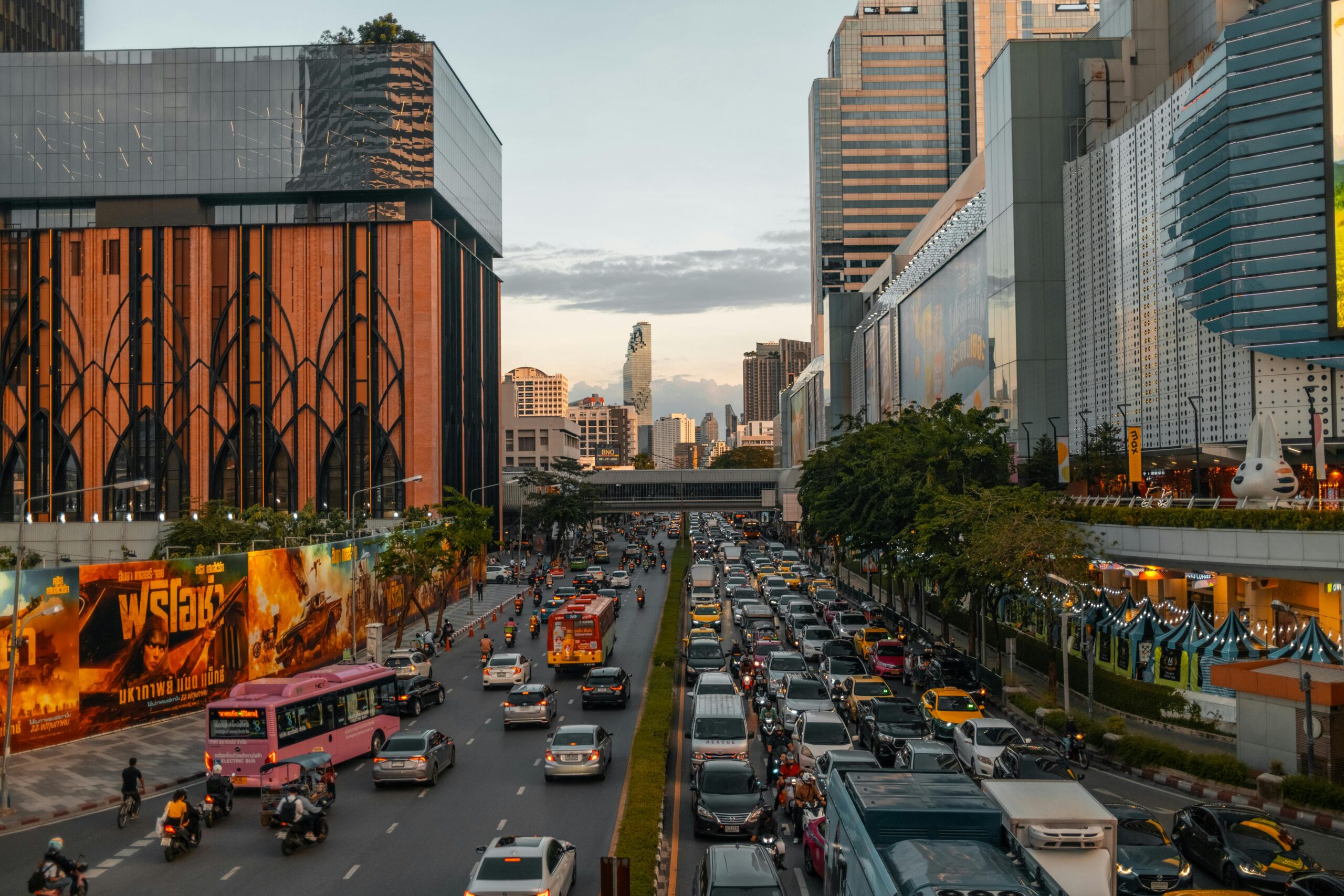
Cities concentrate both noise and pollution to extraordinary levels. Dense populations, vehicle congestion, construction activities, and industrial operations create perfect conditions for these silent invaders to thrive. Urban residents often accept degraded environmental quality as inevitable, yet this resignation perpetuates harmful conditions.
Traffic noise dominates urban soundscapes, with constant engine rumbles, horns, and sirens creating relentless auditory assaults. Construction projects add jackhammers, heavy machinery, and demolition activities. Entertainment districts contribute music and crowds. The cumulative effect creates environments where silence becomes a luxury rather than a norm.
Simultaneously, vehicles emit nitrogen oxides, carbon monoxide, and particulates that create visible smog and invisible health threats. Industrial zones release volatile organic compounds and heavy metals. Waste management challenges introduce methane and other pollutants. Urban heat islands intensify these problems, trapping pollutants and amplifying health impacts.
The Socioeconomic Dimensions
Environmental justice concerns emerge prominently in urban pollution discussions. Lower-income neighborhoods frequently experience higher pollution and noise levels due to proximity to highways, industrial facilities, and waste sites. These communities also typically have fewer green spaces and amenities that might mitigate exposures.
This disparity creates health inequalities that perpetuate cycles of disadvantage. Residents facing the worst environmental conditions often lack resources to relocate or advocate effectively for improvements. Children in these areas face developmental challenges that affect educational outcomes and future opportunities.
🌱 Innovative Solutions for Cleaner, Quieter Communities
Addressing noise and pollution requires multifaceted approaches combining technology, policy, urban planning, and individual action. Successful strategies recognize the interconnected nature of these challenges while tailoring solutions to specific contexts and communities.
Technological Advances Leading the Way
Electric vehicles represent transformative potential for reducing both noise and air pollution. Their near-silent operation dramatically decreases traffic noise while eliminating tailpipe emissions. As battery technology improves and charging infrastructure expands, electric vehicle adoption accelerates, promising cleaner, quieter urban environments.
Renewable energy sources like solar and wind power eliminate pollution from fossil fuel combustion while operating with minimal noise. Advanced filtration systems capture industrial emissions before they enter atmospheres. Green building materials and designs incorporate soundproofing and pollution-reducing features from construction phases.
Smart city technologies optimize traffic flow, reducing congestion and associated pollution. Real-time air quality monitoring helps residents make informed decisions about outdoor activities. Sound mapping identifies noise hotspots for targeted interventions. These digital tools empower both authorities and citizens to address environmental challenges more effectively.
Urban Planning as Environmental Medicine
Thoughtful urban design creates healthier environments without requiring revolutionary technology. Strategic placement of green spaces provides natural sound barriers while filtering air pollutants. Trees absorb carbon dioxide, trap particulates, and dampen noise through physical obstruction and sound diffusion.
Mixed-use development reduces transportation needs, decreasing traffic pollution and noise. Pedestrian-friendly infrastructure encourages walking and cycling over driving. Buffer zones between residential areas and noise sources protect communities. Zoning regulations prevent incompatible land uses that generate pollution near sensitive locations like schools and hospitals.
Green infrastructure like vegetated walls, green roofs, and bioswales manages stormwater while reducing urban heat islands and filtering pollutants. Permeable pavements decrease runoff and associated water pollution. These nature-based solutions deliver multiple benefits while enhancing urban aesthetics and livability.
📋 Policy Frameworks Driving Change
Effective pollution and noise control requires robust regulatory frameworks with enforcement mechanisms. Emission standards for vehicles and industries set acceptable pollution limits. Noise ordinances restrict sound levels during specific hours and in designated zones. Building codes mandate soundproofing and ventilation standards.
International agreements like the Paris Climate Accord create accountability for nations to reduce emissions. Regional cooperation addresses transboundary pollution that crosses jurisdictional lines. Local governments implement specific interventions suited to community needs and resources.
Economic incentives complement regulations by encouraging desired behaviors. Tax credits for electric vehicles and renewable energy installations accelerate adoption. Congestion pricing discourages driving in dense urban areas. Pollution taxes make polluters bear costs rather than externalizing them to society.
Success Stories Worth Replicating
Copenhagen’s transformation into a cycling capital demonstrates how infrastructure investment can dramatically reduce traffic pollution and noise. The city’s extensive bike lane network encourages residents to choose bicycles over cars for daily transportation.
Singapore’s comprehensive approach combines strict regulations, green infrastructure, and technological innovation. The city-state maintains remarkable air quality despite dense development through vehicle quotas, emission standards, and extensive urban greenery.
Barcelona’s “superblocks” reorganize neighborhoods to prioritize pedestrians and cyclists over vehicles. These car-restricted zones significantly reduce local noise and pollution while creating vibrant community spaces. The model demonstrates how urban redesign can simultaneously address multiple environmental challenges.
👤 Individual Actions Creating Collective Impact
While systemic change requires institutional action, individual choices collectively shape environmental outcomes. Personal decisions about transportation, consumption, and advocacy accumulate into significant impacts when multiplied across populations.
Transportation Choices Matter
Choosing public transportation, cycling, or walking instead of driving reduces personal contributions to traffic noise and pollution. Carpooling distributes environmental impacts across multiple passengers. When driving remains necessary, maintaining vehicles properly ensures optimal efficiency and minimal emissions.
Electric or hybrid vehicles represent substantial upgrades for those purchasing cars. Even driving styles affect pollution levels—smooth acceleration, consistent speeds, and avoiding idling reduce fuel consumption and emissions.
Consumption Patterns and Waste Reduction
Purchasing decisions influence production processes and associated pollution. Choosing products from environmentally responsible manufacturers supports cleaner production methods. Reducing consumption overall decreases demand for pollution-generating manufacturing.
Proper waste disposal prevents pollution from entering environments. Recycling reduces the need for virgin material extraction and processing. Composting organic waste prevents methane generation in landfills while creating useful soil amendments. Refusing single-use plastics prevents persistent pollution.
Advocacy and Community Engagement
Individual voices gain power through collective action. Attending city council meetings to advocate for pollution controls or noise ordinances influences policy decisions. Supporting environmental organizations amplifies professional advocacy efforts. Voting for candidates prioritizing environmental protection translates personal values into governance.
Community initiatives like neighborhood clean-ups, tree planting events, and shared tool libraries build local resilience while fostering connections. These activities demonstrate that environmental stewardship strengthens communities beyond purely ecological benefits.
🔬 Monitoring and Measuring Progress
Effective pollution control requires accurate measurement and transparent reporting. Air quality indices inform residents about daily conditions and help vulnerable populations protect themselves during high-pollution episodes. Noise mapping identifies problem areas requiring intervention.
Personal exposure monitoring tools empower individuals to understand their specific environments. Portable air quality monitors reveal pollution levels in homes, workplaces, and neighborhoods. Sound level meter apps help identify excessive noise exposures. This data enables informed decisions about protective actions.
Long-term monitoring tracks progress toward environmental goals. Comparing current conditions against historical baselines reveals improvement trends or emerging problems. Transparent data sharing builds public trust and maintains pressure on authorities to deliver promised results.
🌟 Building Momentum for Lasting Change
The battle against noise and pollution is fundamentally winnable, but victory requires sustained commitment across all societal levels. Technological solutions exist or are rapidly developing. Policy frameworks demonstrate effectiveness where implemented seriously. Individual actions accumulate into meaningful impacts.
The challenge lies not in knowing what to do but in maintaining political will, financial investment, and public engagement necessary for comprehensive implementation. Short-term economic considerations often overshadow long-term health and environmental benefits. Overcoming this myopia requires persistent advocacy and education.
Success stories from cities and nations worldwide prove that significant improvements are achievable within realistic timeframes. Air quality in London, once notorious for deadly smogs, has dramatically improved through decades of consistent policy implementation. Los Angeles, synonymous with smog in the 1970s, now experiences significantly cleaner air despite population growth.
The Path Forward
Creating healthier, cleaner futures demands integration of environmental considerations into all decision-making processes. Urban planning must prioritize livability alongside economic development. Transportation systems should emphasize sustainability over convenience. Industrial processes need to internalize environmental costs rather than externalizing them.
Education plays a crucial role in building public understanding and support for necessary changes. Environmental literacy helps citizens recognize connections between personal choices and collective outcomes. Informed populations demand accountability from leaders and institutions.
Interdisciplinary collaboration accelerates progress by combining expertise from engineering, public health, urban planning, policy, and community organizing. Complex challenges require diverse perspectives and skill sets working toward common goals.
💪 Embracing Our Shared Responsibility
Every person breathing polluted air or enduring excessive noise has a stake in addressing these silent invaders. The health consequences are too severe, the environmental degradation too extensive, and the solutions too feasible to accept inaction.
Collective action begins with individual awareness and commitment. Understanding how noise and pollution affect personal health motivates protective actions. Recognizing how daily choices contribute to or mitigate these problems empowers meaningful change. Viewing environmental quality as a fundamental right rather than a luxury reframes priorities.
The future remains unwritten, shaped by choices made today. Continuing current trajectories guarantees worsening health outcomes and environmental degradation. Choosing instead to prioritize clean air, water, and peaceful soundscapes promises healthier, more equitable, and more livable communities for current and future generations.
Battling these silent invaders is not merely an environmental imperative but a social justice issue, a public health necessity, and an economic opportunity. Clean technologies create jobs. Healthy populations are more productive. Livable cities attract talent and investment. Environmental protection and human prosperity are not competing interests but complementary goals.
The path toward cleaner, quieter futures requires courage to challenge entrenched interests, creativity to develop innovative solutions, and commitment to see long-term strategies through completion. It demands that we view ourselves not as passive victims of environmental degradation but as active agents capable of creating positive change.
As we confront these silent invaders, we discover that protecting our environment ultimately means protecting ourselves. The air we breathe, the water we drink, and the sounds surrounding us directly shape our health, happiness, and potential. Choosing to tackle noise and pollution is choosing to invest in human flourishing and planetary health—an investment that pays dividends across generations. 🌎