
Emergency response systems serve as the lifeline between crisis and survival, yet critical gaps continue to threaten their effectiveness when seconds determine life or death outcomes.

🚨 The Current State of Emergency Response Infrastructure
Modern emergency response systems have evolved significantly over the past decades, incorporating advanced technologies and standardized protocols. However, beneath the surface of these improvements lies a complex web of challenges that continue to hamper optimal performance. From outdated communication networks to inadequate resource allocation, emergency services worldwide face mounting pressure to deliver faster, more efficient responses in increasingly complex urban environments.
The traditional 911 system in the United States, for instance, was designed decades ago when landlines dominated telecommunications. Today’s digital landscape presents entirely different challenges. Voice over Internet Protocol (VoIP) calls, mobile devices constantly on the move, and the expectation of multimedia communication have created significant strain on infrastructure that wasn’t built to handle such demands.
Emergency response encompasses multiple agencies working in coordination: police departments, fire services, emergency medical services (EMS), and various support organizations. This multi-agency approach, while necessary, introduces coordination challenges that can delay response times and create confusion during critical moments.
📞 Communication Breakdowns: The Silent Killer
Communication failures represent one of the most persistent and dangerous gaps in emergency response systems. When disaster strikes, the ability to transmit accurate information quickly can mean the difference between successful rescue operations and tragic outcomes. Yet interoperability issues between different emergency services remain surprisingly common.
Many emergency response agencies operate on incompatible radio systems, making real-time coordination during large-scale emergencies extremely difficult. During Hurricane Katrina in 2005, this problem became devastatingly apparent as various responding agencies struggled to communicate effectively, leading to delayed rescues and preventable deaths.
The Digital Divide in Emergency Communications
The transition from analog to digital communication systems has created unexpected challenges. While Next Generation 911 (NG911) promises to revolutionize emergency response by enabling text, video, and image transmission, implementation has been painfully slow. Many dispatch centers still lack the infrastructure to receive text messages, leaving deaf and hard-of-hearing individuals at serious disadvantage during emergencies.
Rural areas face particularly acute communication challenges. Spotty cellular coverage means emergency calls may not connect at all, or location data may be inaccurate by several miles. This technological disparity creates a two-tier system where urban residents enjoy advanced emergency services while rural populations remain vulnerable.
⏱️ Response Time Disparities: A Matter of Geography and Economics
Emergency response times vary dramatically based on geographic location, economic factors, and resource availability. While major metropolitan areas often boast impressive response times of 5-7 minutes for life-threatening emergencies, rural communities may wait 30 minutes or longer for help to arrive.
This disparity isn’t merely inconvenient—it’s deadly. For cardiac arrest victims, each minute without CPR or defibrillation reduces survival chances by approximately 10%. For trauma patients, the “golden hour” following injury is critical for survival. Geographic inequities in response times create fundamentally unequal chances of survival based on zip code.
Urban Challenges Beyond Response Time
Urban areas face their own unique challenges despite faster average response times. High-rise buildings complicate evacuation and rescue efforts. Traffic congestion can turn a theoretically short response distance into a lengthy ordeal. Dense populations mean more simultaneous emergencies competing for limited resources.
The problem of “frequent callers” also strains urban emergency systems. Individuals with chronic medical conditions, mental health crises, or substance abuse issues may call 911 repeatedly, tying up ambulances for non-emergency situations while genuinely critical cases wait. This issue requires innovative approaches that address underlying social problems rather than purely medical responses.
🏥 Resource Allocation and System Overload
Emergency response systems worldwide struggle with chronic resource shortages. Staffing challenges plague emergency services, with many departments unable to maintain adequate personnel levels due to demanding work conditions, relatively modest compensation, and high burnout rates.
The COVID-19 pandemic dramatically illustrated how quickly emergency systems can become overwhelmed. Hospitals reached capacity, ambulance services faced unprecedented call volumes, and emergency responders worked exhausting shifts while facing their own health risks. These conditions revealed structural weaknesses that persist even as the acute phase of the pandemic has passed.
The Paramedic Shortage Crisis
Many regions face critical shortages of qualified paramedics and emergency medical technicians. The demanding nature of the work, combined with competitive salaries in other healthcare fields, makes recruitment and retention extremely challenging. Some rural areas resort to volunteer emergency services, which, while admirable, cannot provide the same consistency and expertise as professional full-time staff.
Mental health support for emergency responders remains inadequate in many jurisdictions. Repeated exposure to traumatic situations takes a significant psychological toll, yet stigma and limited resources prevent many responders from seeking help. This creates a vicious cycle where burnout and PTSD contribute to workforce shortages.
🌐 Technology Integration: Promise and Pitfalls
Technological advances offer tremendous potential for improving emergency response, but implementation challenges and unintended consequences complicate progress. Automatic crash detection in smartphones and vehicles can alert emergency services immediately after accidents—when victims may be unconscious or unable to call for help themselves.
Geographic Information Systems (GIS) enable more accurate location tracking, helping responders find victims faster. Computer-aided dispatch systems can optimize resource allocation by considering real-time factors like traffic conditions, unit availability, and incident severity. Drones offer possibilities for rapid assessment of disaster areas and delivery of emergency supplies to inaccessible locations.
The Dark Side of Technology Dependence
However, increased technology dependence creates new vulnerabilities. Cyberattacks targeting emergency systems pose serious threats. In 2021, several 911 systems experienced outages due to technical failures, leaving entire communities temporarily without emergency services. Ransomware attacks on healthcare systems have forced hospitals to divert ambulances and delay critical care.
False alarms from automated systems also create problems. Smartphone crash detection occasionally triggers from normal activities like amusement park rides or dropping a phone, generating emergency responses to non-existent crises. These false positives waste valuable resources and may delay response to genuine emergencies.
🚑 Medical Emergency Response: Evolving Standards and Gaps
Pre-hospital emergency medical care has advanced remarkably, with paramedics now capable of performing sophisticated interventions once possible only in hospitals. Mobile stroke units bring CT scanners directly to patients, enabling critical treatment decisions at the scene. Telemedicine allows emergency responders to consult with specialists in real-time.
Despite these advances, significant gaps remain. Many emergency medical services lack adequate supplies of essential medications, particularly during drug shortages. Equipment maintenance and replacement budgets often fall short of actual needs. Training requirements vary widely between jurisdictions, creating inconsistent care quality.
Mental Health Crisis Response Gaps
Emergency response systems traditionally focused on physical medical emergencies and crime, leaving them ill-equipped to handle mental health crises appropriately. Police officers typically receive minimal mental health training, yet frequently respond to psychiatric emergencies. This can lead to tragic outcomes when mental health situations escalate unnecessarily.
Progressive jurisdictions are experimenting with alternative response models, pairing mental health professionals with emergency responders or creating specialized mental health crisis teams. These approaches show promise for better outcomes and reduced strain on traditional emergency services, but funding limitations prevent widespread implementation.
🔥 Natural Disasters and Mass Casualty Events
Large-scale emergencies expose the limitations of response systems designed primarily for individual incidents. Natural disasters—hurricanes, earthquakes, wildfires, floods—can overwhelm local resources instantly while simultaneously disrupting the infrastructure emergency services depend upon.
Climate change is increasing the frequency and severity of natural disasters, placing unprecedented strain on emergency response capabilities. Wildfire seasons grow longer and more destructive. Hurricane intensity increases. These trends demand enhanced preparedness and resources, yet funding often fails to keep pace with escalating needs.
Coordination Challenges in Mass Casualty Incidents
Mass casualty incidents—whether from natural disasters, accidents, or intentional violence—require coordination among numerous agencies with different command structures, protocols, and priorities. Incident Command Systems (ICS) provide standardized frameworks for multi-agency coordination, yet implementation quality varies significantly.
Training exercises and drills help prepare responders for large-scale events, but budget constraints limit their frequency and scope. After-action reviews following actual incidents often identify the same recurring problems: communication failures, unclear command structures, and inadequate resource pre-positioning.
💡 Community-Based Solutions and Public Preparedness
Recognizing that professional emergency services cannot instantaneously reach every emergency, many communities are implementing programs to enhance civilian emergency response capabilities. Community Emergency Response Teams (CERT) train volunteers in basic disaster response skills, creating a force multiplier for professional services during large-scale events.
Public access defibrillation programs place automated external defibrillators (AEDs) in accessible locations and train laypeople in their use. Studies consistently show that immediate bystander CPR and defibrillation dramatically improve cardiac arrest survival rates compared to waiting for emergency services.
The Power of Citizen Responders
Smartphone applications are connecting trained citizens with nearby emergencies. Programs like PulsePoint alert CPR-trained users to nearby cardiac arrests occurring in public spaces, potentially providing life-saving intervention before professional responders arrive. These systems leverage the reality that trained citizens are often closer to emergencies than ambulances.
Stop the Bleed campaigns teach hemorrhage control techniques to civilians, recognizing that uncontrolled bleeding from trauma can kill within minutes. Empowering bystanders to provide immediate intervention addresses the critical gap between injury and professional care arrival.
📊 Data-Driven Improvements and Predictive Analytics
Emergency services are increasingly leveraging data analytics to identify patterns, optimize resource placement, and predict high-risk times and locations. By analyzing historical incident data, agencies can position units strategically to minimize response times.
Predictive analytics can forecast emergency demand based on factors like weather conditions, major events, and historical patterns. This enables proactive staffing adjustments rather than reactive scrambling to meet demand spikes. Machine learning algorithms can help dispatchers prioritize calls and identify the most appropriate response resources.
Privacy Concerns and Data Security
However, data-driven approaches raise important privacy questions. Location tracking, health information, and detailed incident records create sensitive databases that require robust protection. Balancing the public safety benefits of data collection with individual privacy rights remains an ongoing challenge requiring careful policy development and technical safeguards.
🌍 Global Perspectives on Emergency Response
Emergency response challenges vary significantly across different countries and development contexts. Low-income nations often lack basic emergency infrastructure that wealthy countries take for granted. Single emergency phone numbers may not exist, ambulance services may be unavailable, and hospitals may lack essential supplies and equipment.
Yet innovation often emerges from resource constraints. Countries with limited traditional infrastructure have leapfrogged directly to mobile-based emergency systems. Motorcycle ambulances navigate congested streets in cities where traditional ambulances would be trapped in traffic. Community health workers provide basic emergency care in areas without professional emergency services.
🔮 Building More Resilient Emergency Systems for Tomorrow
Addressing the gaps and challenges in emergency response systems requires sustained commitment and multifaceted approaches. Adequate funding represents the most fundamental need—emergency services cannot operate effectively on inadequate budgets. This means not just funding vehicles and equipment, but also competitive compensation to attract and retain qualified personnel.
Technological modernization must continue, with particular focus on interoperability standards that enable seamless communication across agencies and jurisdictions. Next Generation 911 implementation should be accelerated to bring emergency services into the digital age. Cybersecurity must be treated as a critical priority rather than an afterthought.
System redesign should address non-emergency calls that overwhelm emergency services. Alternative response programs—community paramedicine, mental health crisis teams, and nurse advice lines—can redirect appropriate calls away from 911 while still meeting community needs. This frees emergency resources for genuine emergencies while providing more appropriate care for non-emergency situations.
Community preparedness and resilience deserve greater emphasis and investment. An informed, trained public capable of taking initial emergency actions creates a more robust overall response system. Public education campaigns about appropriate emergency service use, basic first aid, and disaster preparedness all contribute to system effectiveness.
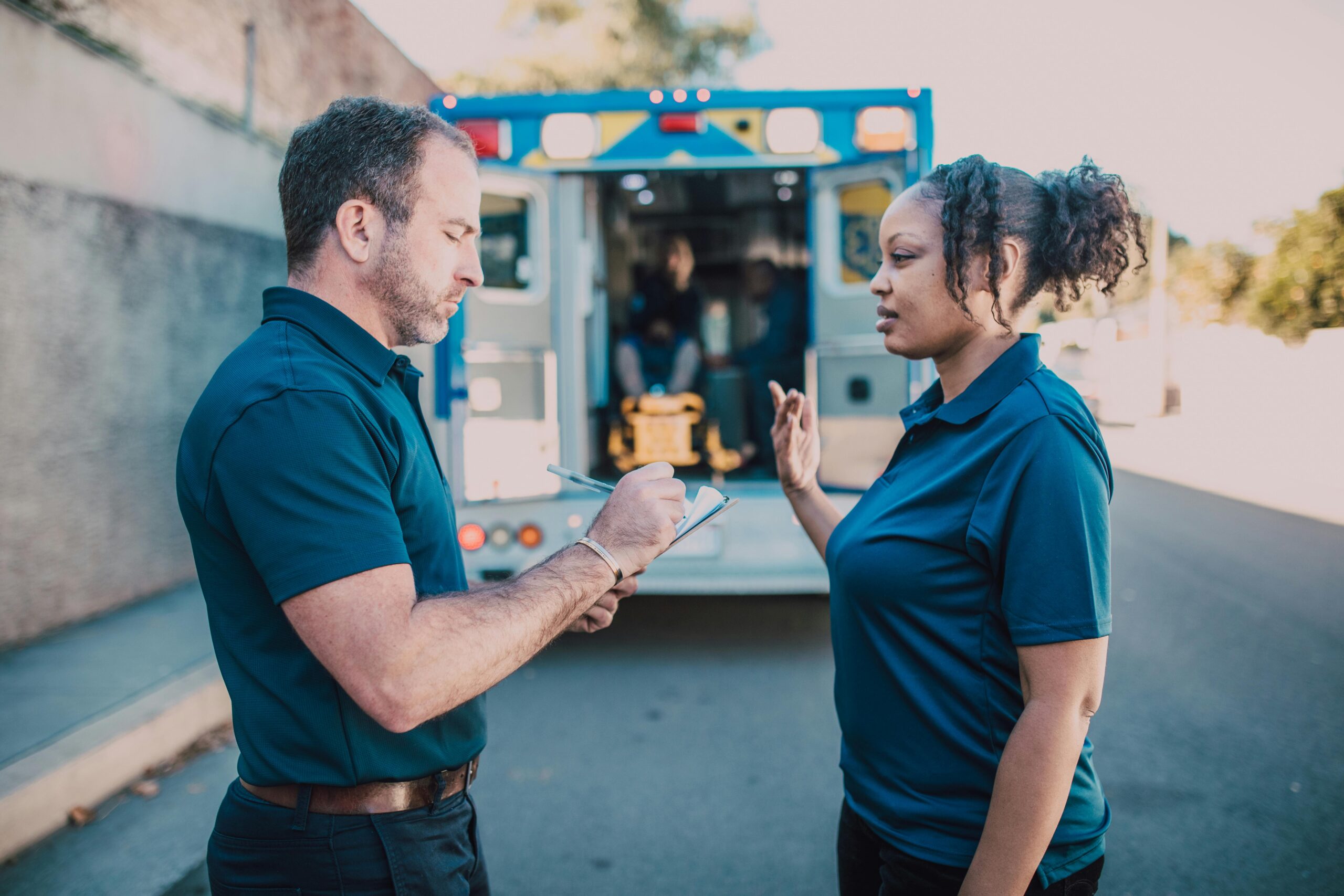
⚡ When Seconds Matter Most: The Imperative for Action
Emergency response systems face significant challenges, but these challenges are not insurmountable. With adequate resources, thoughtful planning, technological innovation, and community engagement, we can build systems that provide rapid, effective emergency care to everyone, regardless of location or circumstances.
The gaps and challenges identified here should not generate despair but rather motivate action. Emergency responders perform heroically every day despite systemic constraints. Our obligation is to provide them with the resources, technology, and support structures necessary to succeed consistently.
Lives hang in the balance during those critical seconds when emergency response systems must perform flawlessly. Every improvement—faster communication, better resource allocation, enhanced training, stronger community preparedness—translates directly into lives saved. The question is not whether we can afford to improve emergency response systems, but whether we can afford not to.
Progress requires sustained commitment from policymakers, adequate funding, continued innovation, and public engagement. The stakes could not be higher. When every second counts, our emergency response systems must be ready to deliver. Recognizing the gaps is the first step toward closing them and building the resilient, equitable emergency services our communities deserve.