Mutual aid foundations are reshaping how communities support one another, creating networks of care that transcend traditional charity models and empower individuals through collective action.

🤝 Understanding the Essence of Mutual Aid
At its core, mutual aid represents a revolutionary approach to community building that differs fundamentally from conventional charitable organizations. Rather than operating on a top-down model where benefactors provide for recipients, mutual aid functions as a horizontal network where everyone participates both as givers and receivers. This reciprocal relationship fosters dignity, agency, and genuine solidarity among community members.
The concept isn’t new—mutual aid societies have existed for centuries, from medieval guilds to immigrant communities pooling resources in the early 20th century. What distinguishes modern mutual aid foundations is their intentional structure, sustainability focus, and integration of technology to expand reach while maintaining grassroots authenticity.
These organizations recognize that communities possess inherent wisdom and capabilities. By facilitating connections and resource sharing, mutual aid foundations amplify existing strengths rather than imposing external solutions. This approach respects local knowledge, cultural contexts, and the lived experiences of those most affected by systemic challenges.
The Fundamental Principles Driving Community Transformation
Successful mutual aid foundations operate according to core principles that distinguish them from traditional nonprofits. Understanding these principles reveals why this model proves so effective in building resilient communities.
Solidarity Over Charity 💪
Mutual aid rejects the charity paradigm that positions some people as inherently lacking and others as saviors. Instead, it recognizes that everyone faces challenges and everyone has something to contribute. This solidarity-based approach eliminates shame and stigma while fostering authentic relationships built on mutual respect.
When community members view each other as equals working toward collective well-being, they invest more deeply in solutions. People feel empowered to voice needs without judgment and offer assistance without superiority. This emotional shift creates psychological safety that strengthens social bonds and encourages ongoing participation.
Direct Action and Immediate Response
Unlike bureaucratic institutions that require extensive approvals and processing times, mutual aid foundations prioritize rapid response to community needs. When someone faces a crisis—whether medical emergency, housing insecurity, or food shortage—the network mobilizes quickly with direct assistance.
This immediacy matters profoundly during emergencies. During natural disasters, pandemics, or economic downturns, mutual aid networks often provide support faster than government agencies or large charities. Community members understand local contexts intimately and can assess needs accurately without extensive intake procedures.
Voluntary Association and Participation
Participation in mutual aid foundations remains voluntary, creating organic engagement rather than coerced involvement. People contribute what they can—time, skills, resources, or emotional support—according to their capacities. This flexibility accommodates diverse circumstances while preventing burnout.
The voluntary nature also ensures authenticity. People engage because they genuinely care about their community, not for tax benefits or public recognition. This intrinsic motivation sustains long-term commitment even when external incentives disappear.
📊 Measuring the Real-World Impact
The effectiveness of mutual aid foundations extends across multiple dimensions, creating ripple effects that strengthen communities in measurable ways.
Economic Resilience and Resource Distribution
Mutual aid foundations excel at redistributing resources within communities, ensuring that surplus reaches those experiencing scarcity. This circulation of goods, services, and funds keeps value within local economies rather than extracting it to distant corporate headquarters.
Communities with active mutual aid networks demonstrate greater economic resilience during downturns. When formal employment falters, these informal support systems cushion the impact, providing food, childcare, skill-sharing, and other essentials that reduce dependence on cash transactions.
| Impact Area | Traditional Charity | Mutual Aid Foundation |
|---|---|---|
| Response Time | Days to weeks | Hours to days |
| Administrative Overhead | 20-40% | 5-15% |
| Community Participation | Donors vs. recipients | Universal involvement |
| Long-term Engagement | Transactional | Relationship-based |
Social Capital and Network Strengthening
Perhaps the most significant impact of mutual aid foundations lies in strengthening social fabric. Regular interaction through mutual support builds trust, familiarity, and interconnection among community members who might otherwise remain strangers.
This social capital proves invaluable during crises but also enriches daily life. Communities with strong mutual aid networks report higher satisfaction, reduced isolation, and improved mental health outcomes. People feel secure knowing they belong to a community that will support them if needed.
Skill Development and Capacity Building
Participation in mutual aid foundations creates learning opportunities that build individual and collective capacity. People develop organizational skills, conflict resolution abilities, resource management expertise, and leadership capabilities through hands-on involvement.
Unlike formal training programs, these skills emerge organically through practice and peer learning. Community members become more capable of addressing challenges independently, reducing long-term dependence on external interventions.
🌱 Creating Your Own Mutual Aid Foundation
Starting a mutual aid foundation requires thoughtful planning, but the process remains accessible to communities of any size. The following steps provide a framework for building effective mutual support systems.
Assess Community Needs and Assets
Begin by conducting a thorough community assessment that identifies both needs and existing resources. Engage diverse community members in conversations about challenges they face and strengths they possess. This dual focus prevents deficit-based thinking that emphasizes only problems.
Use surveys, community meetings, and informal conversations to gather input. Pay particular attention to voices often excluded from planning processes—youth, elderly residents, immigrants, people with disabilities, and economically marginalized community members.
Build a Core Organizing Team
Assemble a diverse team of committed individuals who reflect community demographics and perspectives. This core group will coordinate initial activities, but avoid creating rigid hierarchies that replicate oppressive structures. Rotate responsibilities and decision-making authority to prevent concentration of power.
Effective organizing teams balance different skills—some members excel at logistics, others at communication, still others at conflict mediation or resource management. Recognize and value these varied contributions equally rather than privileging certain types of work.
Establish Clear Communication Channels
Mutual aid foundations depend on effective communication for coordinating support and building relationships. Establish multiple communication channels that accommodate different preferences and access levels—social media groups, phone trees, messaging apps, email lists, and face-to-face meetings.
Ensure communication remains accessible by providing translation services, using plain language, and offering multiple formats. Regular updates keep members informed and engaged while transparency builds trust and accountability.
Create Sustainable Systems and Structures
While maintaining flexibility, establish basic systems for coordinating assistance, tracking resources, and resolving conflicts. Document processes so that institutional knowledge doesn’t depend solely on individual memory. Simple shared documents or databases can facilitate coordination without excessive bureaucracy.
Develop clear principles or agreements about how the foundation operates. Address questions like: How are decisions made? How is assistance requested and provided? How are conflicts addressed? What boundaries exist? These shared understandings prevent misunderstandings and create consistency.
🔧 Technology Tools Supporting Modern Mutual Aid
Digital platforms significantly enhance mutual aid coordination, enabling larger-scale networks while maintaining personal connection. Various tools support different aspects of community organizing and resource sharing.
Communication and Coordination Platforms
Messaging applications enable real-time coordination of support efforts. Groups can quickly share urgent needs, organize responses, and maintain ongoing conversations that build community cohesion. Choose platforms that balance functionality with privacy protection and accessibility.
Some mutual aid networks create private social media groups where members post requests and offers. Others prefer encrypted messaging apps that provide greater security. Consider your community’s technical comfort, privacy concerns, and existing platform usage when selecting tools.
Resource Mapping and Matching Systems
Specialized platforms help match people offering assistance with those seeking support. These systems catalog available resources—from spare bedrooms to transportation to professional services—and connect them with expressed needs efficiently.
While technology streamlines coordination, maintain human oversight to ensure compassionate, context-sensitive responses. Automated matching should supplement rather than replace personal interaction and relationship-building.
Financial Platforms for Transparent Fund Management
When mutual aid foundations handle financial resources, transparent accounting builds trust and accountability. Digital payment platforms enable easy collection and distribution of funds while maintaining clear records of transactions.
Choose platforms with low transaction fees to maximize resources reaching community members. Regularly share financial reports with the community, showing how funds are received and distributed. This transparency prevents suspicion and encourages continued participation.
Navigating Challenges and Building Resilience 🛡️
Even well-designed mutual aid foundations encounter obstacles. Anticipating common challenges and developing strategies to address them strengthens organizational resilience.
Preventing Burnout Among Organizers
The emotional labor and time commitment required for mutual aid work can exhaust even dedicated organizers. Prevent burnout by distributing responsibilities broadly, setting clear boundaries around availability, and regularly checking in with core team members about their wellbeing.
Create explicit practices for rest and renewal. Schedule breaks, celebrate accomplishments, and acknowledge when people need to step back temporarily. Recognize that sustainable organizing requires caring for organizers as much as community members.
Managing Conflicts and Disagreements
When diverse people work together under stress, conflicts inevitably arise. Establish clear conflict resolution processes before tensions emerge. Consider adopting transformative justice approaches that prioritize repair and learning over punishment.
Address conflicts directly rather than allowing resentment to fester. Create space for difficult conversations while maintaining focus on shared values and goals. Sometimes outside facilitation helps navigate particularly challenging situations.
Balancing Growth with Intimacy
Successful mutual aid foundations often grow rapidly as word spreads about their impact. While expansion extends reach, it can dilute the intimate relationships that make mutual aid powerful. Consider creating neighborhood-level pods or affinity groups within larger networks to maintain personal connection.
Growth also strains coordination capacity. Develop sustainable systems early that can scale without requiring proportional increases in organizer time. Empower community members to coordinate assistance directly rather than channeling everything through central coordinators.
🌍 Learning From Successful Models Worldwide
Examining established mutual aid foundations provides valuable insights and inspiration for emerging initiatives.
Time Banking Networks
Time banking systems create structured mutual aid by valuing everyone’s time equally. Members earn time credits by helping others and spend credits receiving assistance. This approach makes contribution and reciprocity explicit while affirming that everyone’s skills matter equally.
Time banks operate successfully in diverse contexts—urban neighborhoods, rural communities, retirement facilities, and educational institutions. They formalize mutual support while maintaining the voluntary, relationship-focused character of mutual aid.
Community Fridges and Food Sharing
Publicly accessible refrigerators and pantries allow community members to share surplus food anonymously, reducing waste while addressing food insecurity. These initiatives remove barriers of paperwork, income verification, and operating hours that characterize traditional food banks.
Community fridges demonstrate mutual aid principles beautifully—anyone can contribute, anyone can take, and no judgment accompanies either action. They create visible symbols of community care while meeting practical needs.
Disaster Response Networks
Mutual aid foundations often prove most visible during disasters when they mobilize rapidly to provide emergency assistance. These networks leverage local knowledge and relationships to deliver targeted support efficiently, often outpacing official response efforts.
Post-disaster mutual aid frequently evolves into permanent community organizations as participants recognize the value of maintaining support networks beyond emergencies. This trajectory demonstrates how crisis can catalyze lasting community transformation.
The Future of Community-Centered Support 🚀
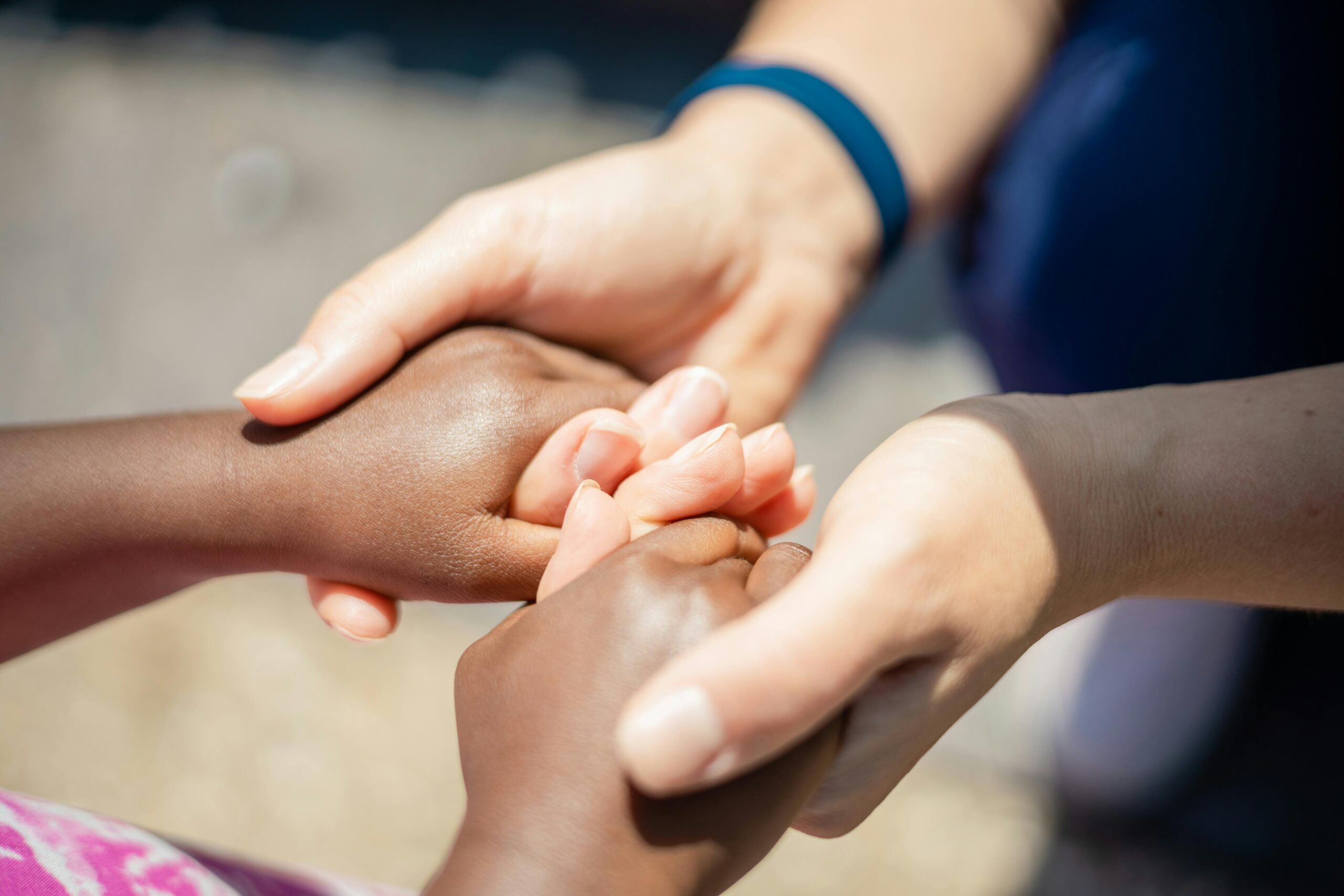
As economic inequality widens, social isolation increases, and institutional trust declines, mutual aid foundations offer a compelling alternative model for meeting human needs while strengthening democratic participation and community cohesion.
These organizations represent more than practical support systems—they embody a vision of society based on cooperation rather than competition, solidarity rather than individualism, and collective care rather than market logic. By participating in mutual aid, people practice prefigurative politics, creating the relationships and systems they wish to see generalized.
The growing mutual aid movement also challenges conventional nonprofit and government service models by demonstrating that communities can effectively organize support without extensive bureaucracy or professional credentials. This grassroots expertise should inform policy design rather than being dismissed as informal or unsophisticated.
Technology will continue expanding mutual aid possibilities, enabling coordination across greater distances while maintaining local focus. Digital platforms can connect rural communities, facilitate specialized skill-sharing networks, and create resilient support systems that transcend geographic limitations.
However, technology remains merely a tool—the foundation of mutual aid lies in human relationships, shared values, and commitment to collective wellbeing. As communities continue building these networks of care, they create not only immediate assistance but lasting social transformation that makes everyone stronger together.
The power of mutual aid foundations ultimately rests in recognizing a simple truth: we need each other. By building systems that honor interdependence and facilitate reciprocal support, communities become more resilient, compassionate, and capable of facing whatever challenges emerge. This collaborative approach to community building offers hope and practical pathways toward a more equitable, connected future.