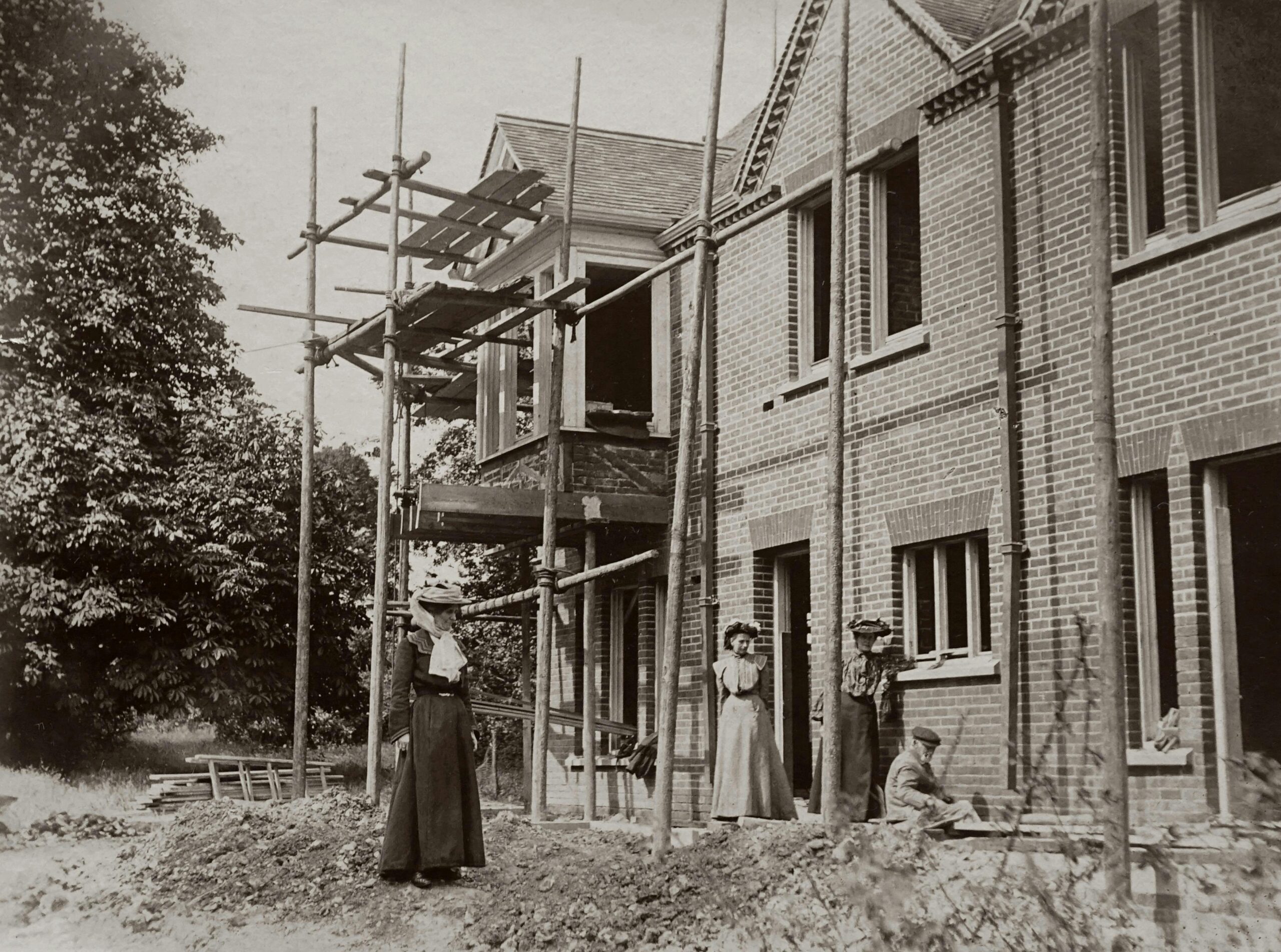
The history of property protection reveals humanity’s enduring quest to shield valuable possessions from loss, theft, and disaster throughout civilizations.

🏛️ Ancient Civilizations and the Birth of Risk Management
Long before modern insurance policies and security systems, ancient societies developed sophisticated methods to protect their assets. The concept of safeguarding property emerged from fundamental human needs and the recognition that accumulated wealth required deliberate protection strategies.
In ancient Mesopotamia, around 3000 BCE, merchants traveling dangerous trade routes established early forms of risk-sharing agreements. These pioneers created contracts where multiple traders would contribute to a common fund, compensating anyone who suffered losses during their journeys. This collaborative approach represented humanity’s first organized attempt at risk distribution.
The Code of Hammurabi, dating back to 1750 BCE, contained provisions that resemble modern insurance principles. Babylonian merchants who received loans to fund their shipments could pay additional fees to lenders, who would then forgive the debt if the shipment was stolen or lost. This revolutionary concept acknowledged that protecting assets required financial mechanisms beyond simple physical security.
Maritime Commerce and Risk-Sharing Evolution
Ancient Greek and Roman civilizations expanded upon these foundational concepts as maritime trade flourished across the Mediterranean. Ship owners and cargo merchants faced substantial risks from storms, pirates, and navigation hazards. They developed “bottomry” contracts, where loans were secured against ships and cargo, with lenders absorbing losses if vessels didn’t reach their destinations.
These early maritime agreements established critical precedents for property risk protection. They demonstrated that valuable assets could be protected through financial arrangements rather than solely through physical defenses. The Romans further refined these concepts, creating mutual aid societies called “collegia” that provided members with financial assistance following property losses.
🏰 Medieval Innovations in Asset Protection
The medieval period witnessed significant developments in property safeguarding as feudal systems, guild organizations, and expanding trade networks created new challenges and opportunities for protecting assets.
European guilds established mutual protection schemes where members contributed regular payments to collective funds. When workshops burned down, equipment was stolen, or merchants lost goods, the guild treasury provided compensation. These organizations recognized that individual craftsmen and traders were vulnerable, but collective action could mitigate risks.
The Great Fire of London in 1666 proved a watershed moment in property protection history. The catastrophic blaze destroyed over 13,000 houses and numerous public buildings, demonstrating the inadequacy of existing safeguards. In response, Nicholas Barbon established the first fire insurance company in 1681, creating a business model specifically designed to protect property owners from devastating losses.
The Birth of Modern Insurance Principles
Fire insurance companies proliferated throughout the late 17th and 18th centuries, introducing concepts that remain central to property protection today. Insurers began assessing risks systematically, charging premiums based on building materials, proximity to fire hazards, and property values. They also established private fire brigades, creating direct links between prevention and protection.
Lloyd’s of London emerged during this period as merchants and ship owners gathered at Edward Lloyd’s coffeehouse to arrange insurance for maritime ventures. This informal beginning evolved into the world’s most famous insurance marketplace, establishing standards and practices that shaped global property protection for centuries.
🏭 Industrial Revolution and Expanding Protection Needs
The Industrial Revolution dramatically transformed property risk protection as factories, warehouses, and urban centers created unprecedented concentrations of valuable assets requiring sophisticated safeguarding strategies.
Manufacturing facilities housed expensive machinery, raw materials, and finished products under single roofs. Factory fires could bankrupt entire enterprises overnight, motivating owners to seek comprehensive protection solutions. Insurance companies responded by developing specialized policies covering diverse risks from fire and theft to mechanical breakdowns and business interruption.
Urban growth created new vulnerabilities as densely populated cities proved susceptible to fires that spread rapidly through wooden structures and narrow streets. Municipal authorities implemented building codes requiring fire-resistant materials, while insurance companies offered premium discounts for properties meeting safety standards. This collaboration between public regulation and private incentives established frameworks still used today.
Technological Innovations in Physical Security
The 19th century brought remarkable innovations in physical property protection alongside evolving insurance mechanisms. Linus Yale Jr. revolutionized lock technology in the 1860s with pin tumbler designs that dramatically improved security against picking and forced entry. Banks and wealthy homeowners quickly adopted these advanced locks, recognizing that physical security remained essential despite insurance availability.
Safe manufacturing became a sophisticated industry as businesses and individuals sought secure storage for valuables. Manufacturers competed to create fire-resistant and burglar-proof designs, while professional safe-crackers inadvertently drove innovation by exposing weaknesses in existing models. This ongoing competition between security creators and circumventers continues shaping property protection today.
📊 Statistical Science and Risk Assessment Revolution
The late 19th and early 20th centuries witnessed the application of statistical methods to property risk assessment, transforming asset protection from experiential judgment to scientific analysis.
Insurance actuaries began collecting systematic data on property losses, analyzing patterns related to construction types, locations, occupancies, and protective measures. These statistical foundations enabled more accurate premium calculations and identified risk factors that property owners could address to reduce vulnerabilities.
| Era | Risk Assessment Method | Key Innovation |
|---|---|---|
| Pre-1800s | Intuitive judgment | Basic categorization |
| 1800-1900 | Experience-based | Loss history analysis |
| 1900-1950 | Statistical modeling | Actuarial science |
| 1950-2000 | Computer analysis | Predictive algorithms |
| 2000-Present | Big data analytics | AI-powered assessment |
Fire prevention engineering emerged as a specialized discipline, with professionals analyzing building designs, materials, and occupancies to minimize fire risks. Automatic sprinkler systems, developed in the late 1800s, provided active protection that could suppress fires before they caused catastrophic damage. Insurance companies incentivized sprinkler installation through premium reductions, demonstrating how protection mechanisms work synergistically.
🔐 20th Century Advances in Comprehensive Protection
The 20th century brought unprecedented diversification in property risks and corresponding protection strategies as technological advancement, urbanization, and economic development created complex asset portfolios requiring sophisticated safeguarding.
Homeowners insurance evolved from simple fire coverage to comprehensive policies protecting against multiple perils including theft, vandalism, weather damage, and liability claims. This expansion reflected growing recognition that property owners faced diverse threats requiring integrated protection approaches rather than separate policies for individual risks.
Electronic Security Systems Transform Protection
Electronic alarm systems revolutionized property protection in the mid-20th century, providing active monitoring capabilities impossible with traditional locks and safes. Early systems detected unauthorized entry and alerted property owners or security services, enabling rapid response to intrusions.
Closed-circuit television systems added visual monitoring dimensions, allowing property owners to observe their assets remotely and maintain recorded evidence of security events. These technologies proved particularly valuable for commercial properties where inventory and equipment represented substantial investments requiring constant vigilance.
Central monitoring stations emerged as specialized facilities receiving alarm signals from multiple properties and coordinating responses with law enforcement, fire departments, and property owners. This centralized approach provided professional oversight that individual property owners couldn’t maintain independently, especially during nighttime hours when risks often peaked.
💻 Digital Age and Contemporary Protection Challenges
The digital revolution has fundamentally transformed property protection, creating new asset categories requiring safeguarding while providing powerful tools for protecting traditional physical property.
Smart home technology integrates security, monitoring, and automation systems into comprehensive platforms controllable via smartphones and computers. Property owners can now monitor their assets in real-time from anywhere globally, receive instant alerts about security events, and remotely control access, lighting, and environmental systems.
Internet of Things devices continuously collect data about property conditions, detecting water leaks, temperature anomalies, air quality issues, and potential security breaches before they cause significant damage. These preventive capabilities represent evolutionary advances from reactive protection to proactive risk management.
Cybersecurity Becomes Property Protection
Digital assets now constitute significant portions of both personal and business property portfolios, requiring protection strategies that didn’t exist decades ago. Intellectual property, financial accounts, personal data, and digital media all represent valuable assets vulnerable to theft, destruction, or unauthorized access.
Cyber insurance emerged as a specialized product addressing risks unique to digital assets, covering data breaches, ransomware attacks, business interruption from cyber incidents, and liability from compromised customer information. This insurance category demonstrates how property protection continually adapts to encompassing new asset types and threat vectors.
🌍 Global Perspectives on Asset Safeguarding
Property protection approaches vary significantly across cultures and regions, reflecting different legal systems, economic conditions, risk perceptions, and historical experiences that shape how societies safeguard assets.
Developing nations often rely more heavily on physical security measures and community-based protection networks, with formal insurance penetration remaining lower than in industrialized countries. Extended family structures and mutual aid societies provide informal risk-sharing mechanisms that serve functions similar to commercial insurance in other contexts.
Natural disaster exposure profoundly influences regional protection strategies. Earthquake-prone areas like Japan have developed sophisticated building codes and insurance mechanisms specifically addressing seismic risks, while hurricane-vulnerable coastal regions implement different structural requirements and coverage options tailored to wind and flood hazards.
Climate Change Reshapes Risk Landscapes
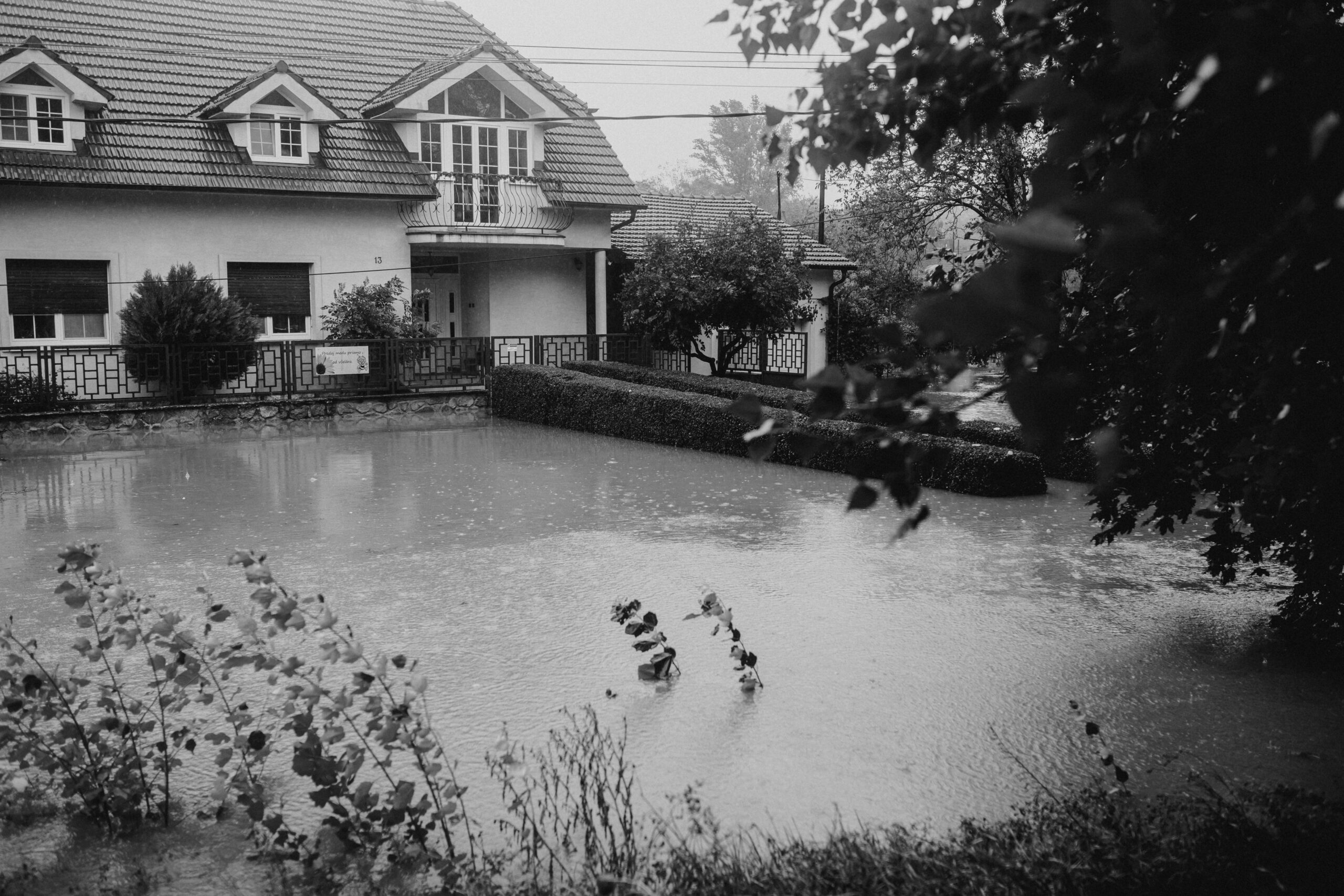
Changing climate patterns are fundamentally altering property risk profiles globally, challenging traditional protection mechanisms and requiring adaptive strategies. Increased frequency and severity of extreme weather events, rising sea levels, and shifting precipitation patterns create new vulnerabilities for properties previously considered low-risk.
Insurance companies are responding by reassessing risk models, adjusting coverage availability and pricing in high-exposure areas, and incentivizing property owners to implement climate adaptation measures. This evolution demonstrates how property protection continually responds to emerging threats and changing environmental conditions.
🚀 Future Horizons in Property Protection
Emerging technologies and evolving risk landscapes promise continued transformation in how humanity safeguards valuable assets, building upon millennia of innovation while addressing unprecedented challenges.
Artificial intelligence and machine learning are enabling predictive risk assessment that identifies vulnerabilities before losses occur. Advanced algorithms analyze vast datasets including weather patterns, crime statistics, property characteristics, and maintenance records to forecast risks with unprecedented accuracy, allowing proactive interventions that prevent damage rather than merely compensating afterward.
Blockchain technology offers potential for creating transparent, tamper-proof property records and automated insurance contracts that execute instantly when predefined conditions occur. These “smart contracts” could revolutionize claims processing, eliminating delays and disputes by automatically triggering payments when sensors confirm covered losses.
Integrated Protection Ecosystems
Future property protection will likely feature seamlessly integrated systems combining physical security, insurance coverage, preventive maintenance, and risk management into holistic ecosystems. Property owners may subscribe to comprehensive protection services rather than purchasing separate products, with providers coordinating all safeguarding aspects from threat detection through loss recovery.
- Sensor networks continuously monitoring property conditions and external threats
- AI-powered systems predicting risks and recommending preventive actions
- Automated response protocols activating protective measures when threats detected
- Dynamic insurance coverage adjusting in real-time based on current risk levels
- Blockchain-verified ownership and automated claims settlement
- Integration with emergency services for coordinated incident response
Drone technology may provide aerial property monitoring, particularly for large estates, agricultural operations, and commercial facilities where ground-based surveillance proves insufficient. These unmanned systems could conduct regular inspections, identify maintenance needs, and provide rapid damage assessment following adverse events.
🎯 Lessons from History for Modern Property Owners
The evolution of property protection offers valuable insights for contemporary asset owners seeking to safeguard their investments effectively in an increasingly complex risk environment.
Diversified protection strategies have consistently proven more effective than single-approach reliance. Ancient merchants who combined careful route selection, armed guards, and risk-sharing agreements fared better than those depending solely on one protective measure. Modern property owners similarly benefit from layering physical security, insurance coverage, preventive maintenance, and emergency planning rather than depending exclusively on any single safeguard.
Adaptation to changing conditions separates successful protection strategies from obsolete approaches. Societies that recognized new threats and developed innovative responses prospered, while those clinging to outdated methods suffered disproportionate losses. Contemporary property owners must similarly remain vigilant about emerging risks from climate change, cyber threats, and evolving criminal techniques, adjusting protection strategies accordingly.
Community Dimensions of Asset Protection
Throughout history, collective action has enhanced individual property protection beyond what isolated efforts could achieve. Medieval guilds, mutual insurance companies, and neighborhood watch programs all demonstrate how cooperation amplifies security for all participants.
Modern community-based protection initiatives continue this tradition through shared security systems, collective insurance purchasing for better rates, information sharing about local threats, and coordinated response to incidents affecting multiple properties. Property owners who engage with neighbors and local organizations often achieve superior protection outcomes compared to those operating independently.
⚖️ Balancing Protection Costs and Benefits
Throughout protection history, property owners have grappled with determining appropriate investment levels in safeguarding measures, balancing security desires against costs and practical considerations.
The optimal protection approach varies based on asset values, threat levels, owner risk tolerance, and available resources. Modest properties in low-crime areas may require only basic security measures and standard insurance coverage, while high-value assets in vulnerable locations justify sophisticated protection systems and comprehensive coverage despite higher costs.
Regular reassessment ensures protection strategies remain appropriate as circumstances change. Property values fluctuate, neighborhoods evolve, new security technologies emerge, and insurance markets shift, all potentially affecting optimal protection approaches. Periodic reviews allow property owners to identify gaps in coverage, adopt beneficial new technologies, and eliminate unnecessary expenses for protection no longer needed.
🌟 The Enduring Human Drive to Protect
From ancient Babylonian risk-sharing contracts to AI-powered smart home systems, humanity’s journey in property protection reflects our persistent determination to safeguard what we value. Each era has contributed innovations building upon previous foundations, creating increasingly sophisticated protection mechanisms addressing ever-evolving threats.
The fundamental principles remain constant even as specific methods transform: identifying risks, implementing preventive measures, creating financial safeguards against losses, and continuously adapting to new challenges. Property owners today inherit millennia of accumulated wisdom while accessing technological capabilities our ancestors couldn’t imagine.
Understanding this historical evolution provides context for contemporary protection decisions and confidence that ongoing innovation will continue yielding better safeguarding solutions. The roots of property risk protection run deep through human civilization, nourishing ongoing growth in how we shield our assets from harm while adapting to whatever challenges the future may bring.