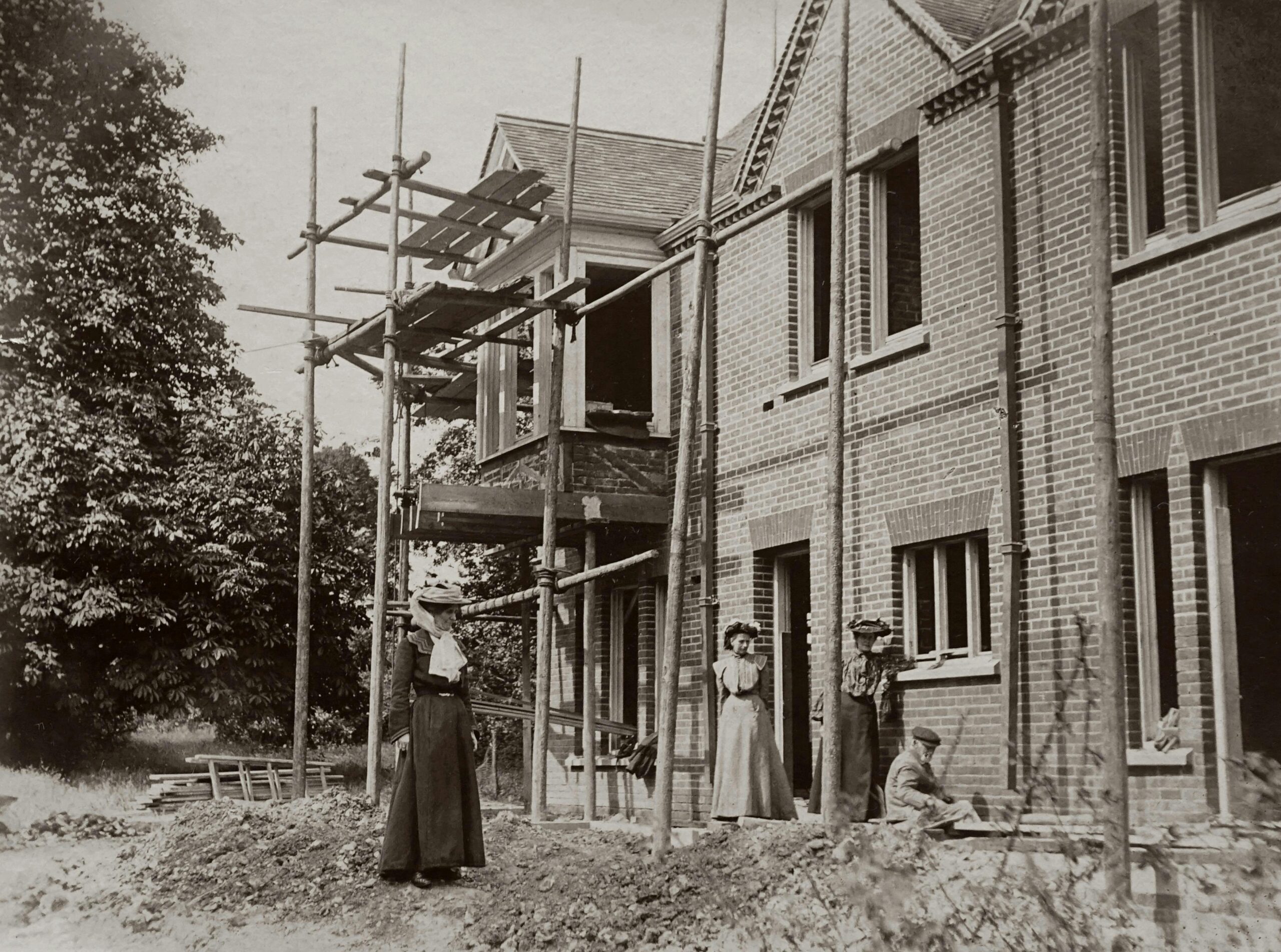
The construction industry stands at a pivotal moment where traditional building codes meet innovative risk-based approaches, promising safer and more resilient structures for future generations.

🏗️ The Evolution from Prescriptive to Performance-Based Standards
For decades, building codes have followed prescriptive approaches—detailed instructions specifying exact materials, dimensions, and construction methods. While this system provided standardization, it often stifled innovation and failed to account for site-specific hazards or evolving threats. The construction landscape is now experiencing a paradigm shift toward risk-based building codes that prioritize outcomes over processes.
Risk-based codes represent a fundamental reimagining of how we approach structural safety. Instead of dictating precise solutions, these frameworks establish performance objectives and allow engineers to demonstrate compliance through evidence-based analysis. This methodology acknowledges that every building site presents unique challenges—from seismic activity and hurricane exposure to flooding risks and extreme temperature variations.
The transition reflects broader changes in engineering practice and our understanding of structural behavior. Advanced computational tools, decades of performance data from natural disasters, and sophisticated risk assessment methodologies now enable professionals to quantify hazards with unprecedented accuracy. This scientific foundation supports decision-making that balances safety, functionality, and economic feasibility.
Understanding the Core Principles of Risk-Based Building Codes
Risk-based building codes operate on several interconnected principles that distinguish them from conventional regulatory frameworks. At their foundation lies probabilistic risk assessment—a systematic process of identifying potential hazards, evaluating their likelihood, and quantifying potential consequences. This approach moves beyond worst-case scenario planning to consider the full spectrum of possible events and their probabilities.
Performance-based design constitutes another cornerstone principle. Rather than specifying how to build, these codes define what buildings must achieve under various conditions. For instance, a code might require that a structure withstand a certain intensity earthquake with minimal damage, remain habitable after moderate events, and prevent collapse during extreme scenarios—without prescribing the exact engineering solutions to accomplish these goals.
The concept of acceptable risk plays a crucial role in this framework. Society must collectively determine what level of risk is tolerable, considering factors like building occupancy, critical infrastructure designation, and community vulnerability. A hospital serving disaster survivors requires more stringent resilience standards than a storage warehouse, reflecting their different societal functions and consequences of failure.
Quantitative Risk Assessment in Modern Construction
Modern risk-based codes leverage sophisticated quantitative assessment methods that were impossible just decades ago. Engineers now utilize probabilistic seismic hazard analysis, wind modeling based on climate projections, and flood risk calculations incorporating both current conditions and anticipated environmental changes. These tools generate site-specific data that inform design decisions with remarkable precision.
Loss estimation modeling has become increasingly refined, allowing stakeholders to predict not just structural damage but also economic impacts, downtime, casualties, and community disruption. This comprehensive view of consequences enables more informed decisions about where to invest in enhanced resilience measures for maximum benefit.
🌍 Global Implementation and Regional Adaptations
Countries worldwide are adopting risk-based building codes at varying paces, each tailored to local hazards, economic conditions, and regulatory cultures. New Zealand emerged as an early pioneer following devastating earthquakes, developing performance-based seismic design standards that balance safety with practical implementation. Their approach focuses on protecting life safety while accepting that some structural damage may occur during extreme events.
The United States has gradually incorporated risk-based elements into model building codes, particularly for seismic and wind design. The Performance-Based Seismic Design guidelines developed by organizations like FEMA and the Applied Technology Council provide frameworks that complement traditional prescriptive codes. Hurricane-prone regions have similarly adopted wind design provisions based on probabilistic wind hazard maps and performance objectives.
European nations have embraced Eurocodes that incorporate risk assessment principles while maintaining harmonization across member states. These standards recognize regional hazard variations—Mediterranean seismic risks, North Sea wind exposure, Alpine snow loads—while providing consistent safety benchmarks. The framework allows national authorities to adjust parameters based on local conditions and risk tolerance.
Developing nations face unique challenges in adopting risk-based codes. Limited resources for sophisticated analysis, smaller pools of trained engineers, and informal construction sectors complicate implementation. However, several countries have successfully adapted these approaches through simplified methodologies, capacity building programs, and phased implementation strategies that prioritize critical infrastructure.
Technology Enabling the Risk-Based Revolution
Digital transformation has made risk-based building codes practical and economically viable. Building Information Modeling (BIM) platforms integrate risk assessment throughout the design process, allowing teams to visualize performance under various scenarios and optimize solutions before construction begins. These three-dimensional models become living documents that support not only initial design but also lifecycle management and future modifications.
Computational power advances enable engineers to run thousands of simulations exploring how structures respond to different hazard intensities and combinations. Nonlinear dynamic analysis, once reserved for landmark projects, has become accessible for routine designs. Cloud-based platforms democratize access to sophisticated tools, allowing firms of all sizes to conduct rigorous performance assessments.
Sensor networks and structural health monitoring systems provide real-world performance data that validates design assumptions and refines future codes. Buildings equipped with accelerometers, strain gauges, and environmental sensors generate insights into actual behavior during earthquakes, wind events, and normal operations. This feedback loop continuously improves our understanding of structural performance and risk.
Artificial Intelligence and Machine Learning Applications
Artificial intelligence is beginning to revolutionize risk assessment and code compliance verification. Machine learning algorithms can analyze vast databases of building performance, identify patterns that human observers might miss, and predict vulnerabilities before they manifest. These systems learn from every earthquake, hurricane, and structural failure, continuously refining risk models.
AI-powered code compliance checking tools can review design documents against performance objectives, flagging potential issues and suggesting alternatives. This automation reduces review time, improves consistency, and allows human experts to focus on complex judgment calls rather than routine checks. As these systems mature, they’ll incorporate risk-based performance criteria alongside traditional prescriptive requirements.
Economic Implications and Cost-Benefit Considerations 💰
The economic case for risk-based building codes rests on demonstrable long-term benefits that often outweigh initial costs. While performance-based engineering may require more sophisticated analysis during design, it frequently enables more efficient material use and innovative solutions that reduce construction expenses. By focusing on outcomes rather than prescriptive requirements, engineers can optimize designs for specific conditions.
Resilient construction generates substantial downstream savings through reduced disaster losses, lower insurance premiums, decreased downtime, and extended building lifespans. Studies consistently show that every dollar invested in hazard mitigation returns multiple dollars in avoided losses. Communities that adopt stringent risk-based codes experience faster post-disaster recovery and less economic disruption when hazards strike.
Insurance markets increasingly recognize and reward buildings designed to risk-based standards. Property insurers offer premium discounts for structures demonstrating superior resilience, creating financial incentives that complement regulatory requirements. This market mechanism helps align private interests with public safety objectives, accelerating adoption of best practices.
However, implementation requires upfront investment in training, tools, and institutional capacity. Jurisdictions must develop review processes for performance-based designs, train building officials to evaluate alternative compliance paths, and establish expert panels for complex projects. These transition costs represent necessary investments in long-term community resilience.
Challenges and Barriers to Widespread Adoption
Despite clear benefits, risk-based building codes face significant implementation obstacles. Professional inertia represents a substantial barrier—many practitioners trained in prescriptive approaches feel uncomfortable with performance-based alternatives requiring different skills and analysis methods. Educational institutions must adapt curricula to prepare graduates for this evolving practice, while continuing education programs must reach existing professionals.
Liability concerns sometimes discourage adoption of innovative approaches. Engineers and building officials worry about legal exposure if performance-based designs don’t perform as predicted during extreme events. Clear liability frameworks, professional standards, and peer review processes help address these concerns, but uncertainty remains a restraining force.
The complexity of risk-based approaches can create accessibility issues. Smaller firms, rural jurisdictions, and developing regions may lack resources for sophisticated analysis. Successful implementation requires scalable solutions—simplified methodologies for routine projects, open-source tools, and technical support networks that democratize access to advanced capabilities.
Regulatory and Institutional Resistance
Building code adoption involves complex political and institutional processes. Existing regulatory frameworks, established interests, and bureaucratic inertia can slow change even when technical benefits are clear. Jurisdictions must navigate stakeholder concerns, coordinate across agencies, and manage transition periods where multiple code generations coexist.
Uniform code enforcement becomes more challenging with performance-based standards. Whereas prescriptive codes offer clear pass-fail criteria, performance objectives require judgment and expertise to verify compliance. Building departments need trained personnel, access to technical consultants, and clear protocols for reviewing alternative compliance paths.
🔮 The Future Landscape of Resilient Construction
Risk-based building codes will continue evolving in response to emerging challenges and technological capabilities. Climate change adaptation represents an increasingly urgent priority, requiring codes that address shifting hazard patterns, increased extreme event frequency, and novel threat combinations. Forward-looking codes incorporate climate projections, ensuring buildings remain resilient throughout their expected lifespans despite changing conditions.
Multi-hazard design approaches will become standard practice rather than specialized applications. Buildings face multiple potential threats—earthquakes and fires, hurricanes and flooding, extreme heat and infrastructure failures—that may occur independently or in cascading sequences. Integrated risk assessment considers these interactions, optimizing designs for comprehensive resilience rather than addressing hazards in isolation.
Sustainability and resilience integration will deepen as the construction industry recognizes their interdependence. Truly sustainable buildings must withstand hazards and provide long service lives, while resilient structures should minimize environmental impacts. Future codes will harmonize these objectives, promoting solutions that simultaneously advance both agendas.
Community-scale resilience will receive greater emphasis beyond individual building performance. Codes increasingly consider how structures function as interconnected systems—ensuring critical facilities remain operational, maintaining evacuation routes, and preserving social cohesion during disasters. This broader perspective recognizes that true resilience extends beyond structural integrity to encompass community function and recovery capacity.
Empowering Stakeholders Through Education and Collaboration
Successful implementation of risk-based building codes requires coordinated efforts across multiple stakeholder groups. Engineers need training in probabilistic methods, performance-based design, and risk communication. Professional organizations, universities, and technical institutes must provide education pathways that build competency in these evolving practices.
Building officials and code enforcement personnel require specialized knowledge to review performance-based designs and verify compliance. Training programs, technical resources, and peer consultation networks help jurisdictions develop necessary capabilities. Some regions establish expert review panels that provide technical guidance on innovative projects, reducing barriers while maintaining safety standards.
Architects, contractors, and other construction professionals must understand how risk-based approaches affect their work. Collaborative design processes that engage all team members early ensure that performance objectives translate effectively into constructible solutions. Integrated project delivery methods naturally align with risk-based codes by emphasizing outcomes and cross-disciplinary cooperation.
Building owners and communities deserve clear communication about risk and resilience trade-offs. Technical risk assessments must translate into understandable information that informs decision-making without requiring specialized expertise. Transparency about hazards, performance expectations, and cost implications enables stakeholders to make informed choices aligned with their values and priorities.
⚡ Catalyzing Change Through Policy and Incentives
Government policies beyond building codes themselves can accelerate adoption of risk-based approaches. Public infrastructure investments increasingly require performance-based design for critical facilities, demonstrating best practices and building market capacity. These projects serve as proof-of-concept examples that validate methodologies and train professionals.
Financial incentives help overcome initial cost barriers and reward early adopters. Tax credits, expedited permitting, grant programs, and reduced insurance premiums create economic motivations complementing regulatory requirements. These mechanisms recognize that enhanced resilience provides public benefits justifying public support.
Research funding drives continued advancement in risk assessment methodologies, materials science, and structural systems. Government agencies, industry associations, and academic institutions collaborate on research priorities addressing knowledge gaps and emerging challenges. This ongoing innovation ensures risk-based codes remain at the forefront of engineering practice.

Building Tomorrow’s Resilient Communities Today
The transformation toward risk-based building codes represents more than technical evolution—it reflects a fundamental commitment to creating safer, more resilient communities that can withstand future challenges. This approach acknowledges that we cannot prevent all hazards but can dramatically reduce their consequences through intelligent, evidence-based design.
Success requires sustained effort across technical, regulatory, economic, and social dimensions. Engineers must embrace new methodologies while maintaining professional rigor. Regulators must balance innovation with public safety. Economic systems must value long-term resilience alongside short-term costs. Communities must engage in informed dialogue about acceptable risk and shared values.
The construction industry’s journey toward comprehensive risk-based codes will unfold over years and decades, not overnight. Each project that applies performance-based principles, each jurisdiction that updates its regulatory framework, and each professional who develops new capabilities contributes to this collective progress. The cumulative impact of these incremental advances will be transformative.
As climate change intensifies hazards, populations concentrate in vulnerable areas, and infrastructure ages, the imperative for resilient construction grows increasingly urgent. Risk-based building codes provide the framework for meeting this challenge—flexible enough to accommodate innovation, rigorous enough to ensure safety, and forward-looking enough to address emerging threats. By unlocking this future of resilient construction, we invest not just in buildings but in the enduring safety and prosperity of generations to come.