
The evolution of construction standards forms the backbone of modern civilization, shaping how we build, live, and interact with our built environment today.

🏛️ The Dawn of Organized Building: Ancient Foundations
Long before modern engineering degrees and building codes existed, ancient civilizations recognized the critical need for construction standards. The Code of Hammurabi, dating back to 1754 BCE, contained perhaps the world’s first documented building regulations. This Babylonian legal text prescribed severe penalties for builders whose structures collapsed, establishing accountability that still resonates in contemporary construction law.
The Romans elevated construction standardization to unprecedented levels. Their concrete formulations, road-building techniques, and architectural principles weren’t merely artistic achievements—they represented systematized knowledge passed through generations. The Vitruvius writings from the 1st century BCE documented precise standards for materials, proportions, and construction methods that influenced architecture for millennia.
Egyptian pyramid construction demonstrated remarkable consistency across decades of building. This consistency wasn’t accidental but resulted from rigorous quality control systems. Workers’ villages near construction sites maintained standardized tool production, ensuring uniform block cutting and placement. These early quality assurance practices laid groundwork for modern construction management.
Medieval Guilds and Knowledge Preservation
The medieval guild system preserved and refined construction knowledge through apprenticeship models. Master builders guarded trade secrets while simultaneously establishing minimum competency standards for practitioners. Cathedral construction spanning generations required documentation and standardization to maintain architectural coherence despite changing workforce compositions.
These guilds created the first professional certification systems in construction. A journeyman couldn’t claim master status without demonstrating specific competencies, creating quality benchmarks that protected both craftsmen’s reputations and public safety.
🔨 The Industrial Revolution: Standardization Meets Mass Production
The 18th and 19th centuries transformed construction through industrialization. Suddenly, building materials could be mass-produced, but this created new challenges. How could builders ensure consistency when bricks, timber, and iron came from different manufacturers? The answer lay in developing universal standards.
Britain’s 1844 Railways Act represented a watershed moment, establishing safety standards for railway infrastructure. This legislation forced standardization across an entire industry, demonstrating government’s role in protecting public welfare through construction regulation. Similar movements occurred globally as industrializing nations recognized that economic growth depended on reliable infrastructure.
The Great Chicago Fire of 1871 catalyzed modern building codes in America. The devastation exposed how rapidly unregulated construction could spread catastrophe. Post-fire reconstruction brought strict fire safety requirements, material specifications, and structural standards that became models for cities worldwide.
Material Science Enters the Equation
As engineers began understanding material properties scientifically, construction standards evolved from rules-of-thumb to evidence-based specifications. Testing laboratories emerged to verify material strength, durability, and safety characteristics. This shift from empirical tradition to scientific validation fundamentally changed how standards were developed and justified.
Steel production standardization exemplified this transition. The Bessemer process made steel affordable for construction, but variable quality threatened structural integrity. Organizations like the American Society for Testing and Materials (ASTM), founded in 1898, established testing protocols ensuring consistent material properties regardless of manufacturer.
📐 The Birth of Modern Building Codes
The early 20th century witnessed formalization of comprehensive building codes. The 1905 National Board of Fire Underwriters’ model building code addressed fire safety systematically, influencing municipal regulations across America. These codes didn’t merely react to disasters—they proactively established minimum safety standards based on engineering principles.
European nations developed parallel systems. Germany’s DIN standards, Britain’s British Standards Institution, and France’s AFNOR created national frameworks ensuring construction quality and safety. International trade necessitated harmonization, leading to early attempts at cross-border standardization.
The devastating 1906 San Francisco earthquake revealed seismic vulnerabilities, prompting earthquake-resistant design standards. California became a laboratory for seismic engineering, developing requirements that would eventually inform international earthquake preparedness standards.
Zoning Laws and Urban Planning Integration
Construction standards expanded beyond structural safety to encompass urban planning. New York City’s 1916 Zoning Resolution pioneered comprehensive land use regulation, demonstrating how construction standards could shape entire urban landscapes. This integration of building codes with zoning laws created modern urban planning frameworks.
These regulations addressed light access, air quality, and density concerns that pure structural codes ignored. They recognized that buildings exist within urban ecosystems, requiring standards that consider cumulative impacts on neighborhoods and cities.
🌍 Post-War Standardization and International Collaboration
World War II’s aftermath created unprecedented demand for rapid, affordable housing reconstruction. This necessity drove standardization to new levels. Modular construction, prefabrication, and industrialized building systems required precise standards enabling component interchangeability.
The International Organization for Standardization (ISO), founded in 1947, began harmonizing global construction standards. As international commerce expanded, consistent standards reduced trade barriers and facilitated technology transfer between nations. A beam fabricated in Germany could now meet specifications for construction in Japan.
The United Nations’ involvement in reconstruction projects highlighted how varying standards complicated international development. This recognition led to efforts establishing minimum global standards, particularly for developing nations building foundational infrastructure.
The Environmental Awakening
The 1970s environmental movement introduced sustainability considerations into construction standards. Energy efficiency requirements first appeared in building codes following oil crises, marking recognition that construction standards must address resource consumption and environmental impact.
This paradigm shift expanded construction standards’ scope dramatically. Buildings weren’t just structures requiring safety standards—they were energy consumers, waste generators, and environmental impact sources requiring comprehensive regulation.
💡 Technology’s Transformative Impact on Standards
Computer-aided design revolutionized how standards were applied and verified. Complex calculations that once required days could be completed instantly, enabling more sophisticated structural analysis and compliance verification. Building Information Modeling (BIM) further transformed construction by creating digital representations enabling standards checking before physical construction begins.
Modern testing equipment allows material verification with unprecedented precision. Non-destructive testing techniques assess structural integrity without damaging buildings. Real-time monitoring systems track construction quality continuously, ensuring compliance throughout building processes rather than through periodic inspections alone.
Digital documentation systems have transformed code administration. Permit applications, plan reviews, and inspections increasingly occur electronically, improving efficiency while maintaining rigorous standards enforcement. Cloud-based platforms enable code officials to access current standards and precedent instantly.
Performance-Based Codes Emerge
Traditional prescriptive codes specified exact materials and methods. Performance-based codes represent philosophical evolution, defining desired outcomes while allowing flexibility in achievement methods. This approach encourages innovation while maintaining safety, sustainability, and quality objectives.
Fire safety codes exemplify this transition. Rather than mandating specific sprinkler configurations, performance codes might require achieving specific smoke control or evacuation times, allowing designers flexibility in meeting objectives through various means.
🏗️ Contemporary Challenges and Continuing Evolution
Climate change presents unprecedented challenges for construction standards. Traditional codes assumed relatively stable environmental conditions. Now, standards must address increasing extreme weather events, rising temperatures, and changing precipitation patterns affecting structural loads and durability.
Resilience has become a central consideration. Standards increasingly require buildings to withstand not just normal conditions but extraordinary events, while maintaining functionality during disasters. This shift reflects recognition that construction standards must address societal continuity, not merely individual building safety.
Affordability tensions challenge standard development. Each safety or sustainability enhancement potentially increases construction costs, raising concerns about housing accessibility. Balancing protective standards with economic feasibility remains contentious, particularly in developing regions where resources are limited.
The Accessibility Revolution
Universal design principles have transformed construction standards to ensure buildings serve all users regardless of physical abilities. The Americans with Disabilities Act and similar international legislation established accessibility as fundamental right rather than optional consideration, profoundly changing how buildings are designed and constructed.
These standards recognize that accessibility benefits everyone, not just people with disabilities. Features like lever door handles, adequate lighting, and clear signage improve usability for all occupants, demonstrating how inclusive standards enhance overall building quality.
🔄 Standards in the Circular Economy Era
Emerging construction standards increasingly address entire building lifecycles. Material sourcing, construction waste, operational energy consumption, and eventual deconstruction all fall within modern standards’ scope. This comprehensive approach reflects understanding that sustainable construction requires attention to every phase.
Circular economy principles challenge traditional linear construction models. Standards promoting material reuse, design for disassembly, and waste minimization represent fundamental rethinking of construction’s environmental footprint. Green building certifications like LEED and BREEAM have become de facto standards complementing traditional building codes.
Material passports and digital tracking systems enable lifecycle management, ensuring buildings’ environmental impacts are understood and managed across decades. These innovations require new standards governing documentation, transparency, and accountability throughout construction supply chains.
🚀 Looking Forward: The Future of Construction Standards
Artificial intelligence and machine learning promise to revolutionize standards development and enforcement. AI systems can analyze vast databases of building performance, identifying patterns that inform more effective standards. Automated compliance checking can review plans against complex codes faster and more accurately than human reviewers.
Nanotechnology and advanced materials create both opportunities and regulatory challenges. Standards must evolve to address materials whose properties differ fundamentally from traditional construction materials, requiring new testing protocols and performance criteria.
3D printing and robotic construction techniques are disrupting traditional building methods. Standards developed around conventional construction don’t always apply to these technologies, necessitating new frameworks that ensure safety and quality while enabling innovation.
Harmonization and Global Standards
Globalization drives continued standards harmonization. International projects require navigating multiple regulatory frameworks, creating inefficiencies and confusion. Efforts toward globally accepted baseline standards continue, though respecting regional differences and local conditions remains essential.
Climate adaptation requires regional customization of standards. A building standard appropriate for Scandinavia’s climate differs dramatically from one suited to tropical regions. Future standards must balance global consistency with local appropriateness, ensuring buildings perform well in their specific contexts.
📊 Measuring Impact: Standards’ Legacy on Modern Construction
Statistical evidence demonstrates construction standards’ profound impact. Building-related fatalities in developed nations have plummeted over the past century, directly attributable to rigorous standards and enforcement. Fire deaths have similarly decreased dramatically since comprehensive fire codes’ implementation.
Energy consumption in buildings has decreased significantly in regions with strong efficiency standards, demonstrating how codes drive sustainability. The economic impacts are substantial—reduced energy costs, fewer structural failures, and lower insurance premiums all flow from effective standards.
However, challenges persist. Developing nations often lack robust construction standards or enforcement capacity, resulting in preventable building collapses and disasters. International development efforts increasingly prioritize building capacity for standards development and implementation as fundamental to sustainable development.
🎯 The Human Element: Standards Protecting Lives and Livelihoods
Behind every standard lies human stories—disasters prevented, lives saved, and communities protected. The incremental improvements in building safety over generations represent countless individuals who never experienced fires, collapses, or structural failures that would have occurred absent these protections.
Construction standards also protect workers. Occupational safety standards governing construction sites have dramatically reduced workplace injuries and fatalities. These protections reflect societal recognition that construction progress shouldn’t come at workers’ expense.
Professional standards ensure construction industry integrity. Licensing requirements, continuing education mandates, and professional ethics codes maintain practitioner competency, protecting both public safety and professional reputation. These standards create accountability chains ensuring quality from design through construction completion.
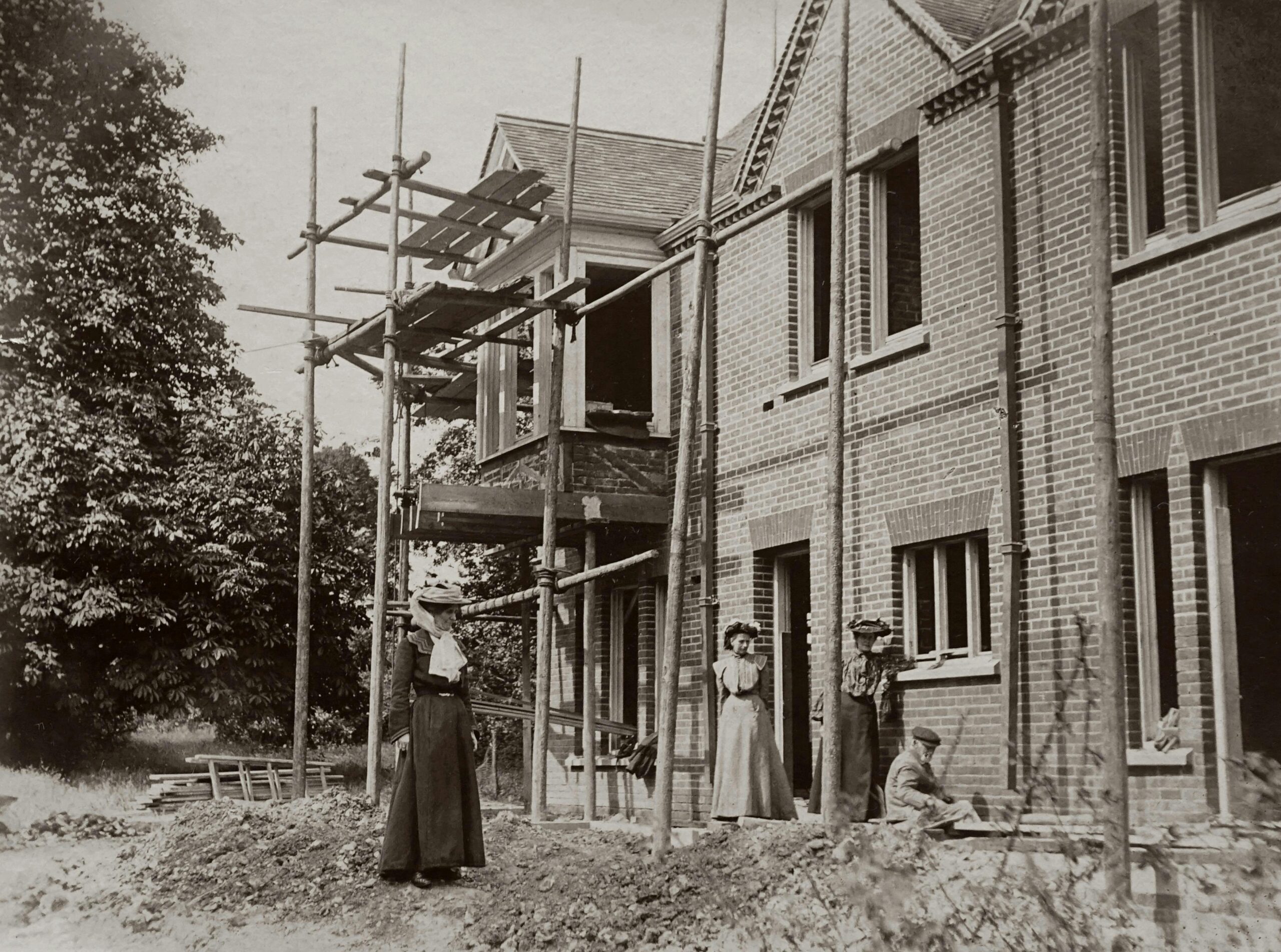
🌟 Building Tomorrow on Yesterday’s Foundations
The journey from Hammurabi’s Code to contemporary building standards spans millennia, yet consistent themes emerge. Every era recognized that construction quality matters profoundly for public welfare. Each generation refined and expanded standards based on accumulated knowledge, technological capabilities, and evolving societal values.
Today’s construction standards represent collaborative achievements involving engineers, architects, regulators, researchers, and countless others. They embody hard-won lessons from successes and failures, scientific advances, and societal progress toward safer, more sustainable, and more equitable built environments.
As we face unprecedented challenges—climate change, urbanization, resource constraints, and technological disruption—construction standards will continue evolving. The foundations established by previous generations provide frameworks for addressing tomorrow’s challenges, demonstrating that thoughtful standardization enables rather than constrains progress.
The lasting impact of early construction standards extends far beyond technical specifications. They established principles of accountability, evidence-based decision-making, and collective responsibility for built environment quality. These principles remain vital as construction technology and societal needs continue evolving, ensuring that future buildings serve humanity safely, sustainably, and equitably for generations to come.