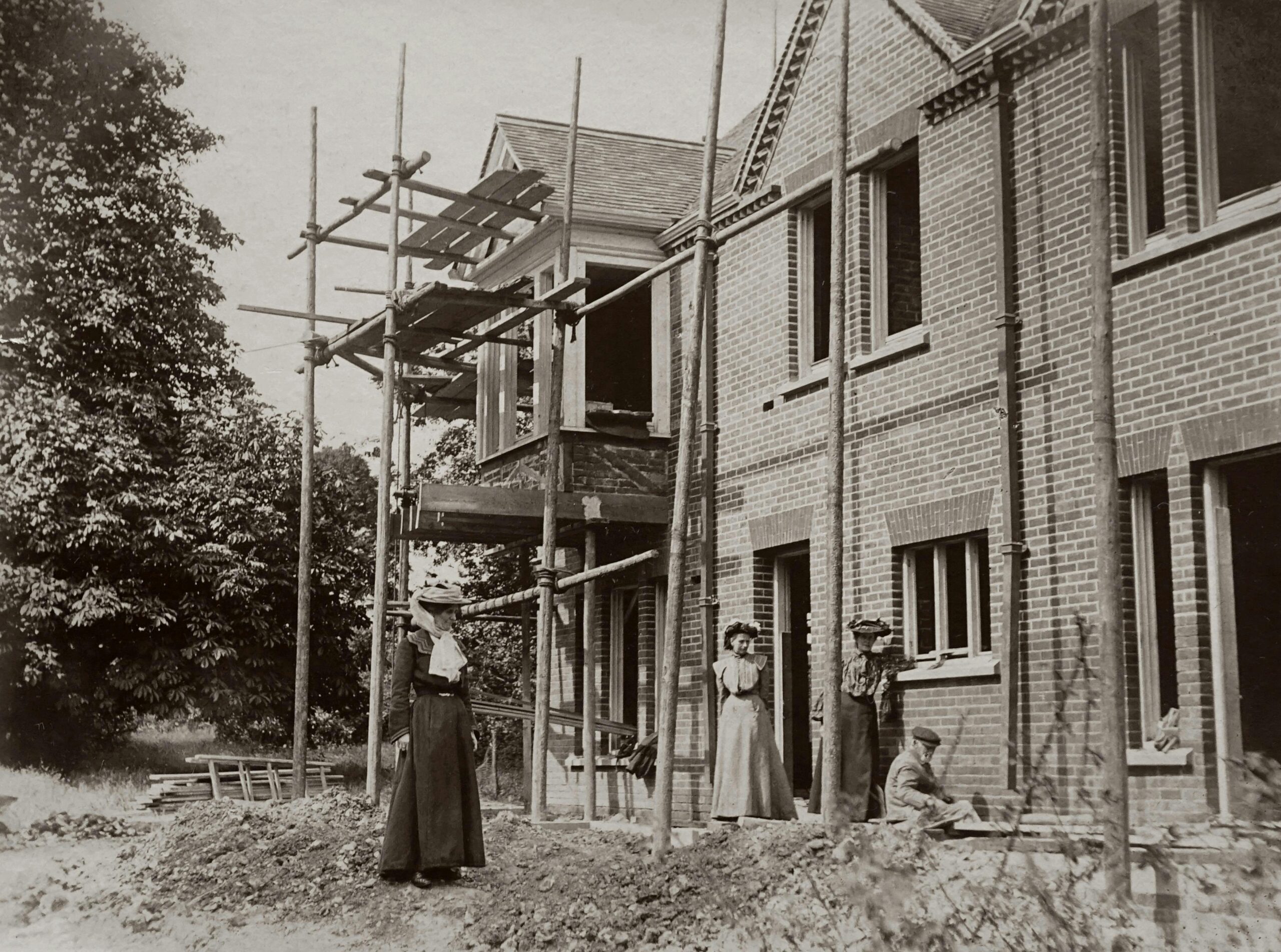
Safety code development has become the cornerstone of modern engineering, blending innovation with rigorous compliance to protect lives and infrastructure in an increasingly complex world.

🔐 The Evolution of Safety Standards in Modern Development
The landscape of safety code development has undergone a remarkable transformation over the past decades. What once consisted of basic guidelines and rudimentary protocols has evolved into a sophisticated ecosystem of comprehensive standards, technological integration, and proactive risk management strategies. This evolution reflects our growing understanding of potential hazards and our commitment to preventing catastrophic failures before they occur.
Today’s safety codes encompass everything from building construction and electrical systems to software security and industrial manufacturing processes. The integration of digital technologies has added new dimensions to safety considerations, requiring developers and engineers to think beyond traditional physical hazards to include cybersecurity threats, data privacy concerns, and automated system failures.
Understanding the Foundation: What Makes Safety Code Development Critical
Safety code development serves as the protective framework that ensures structures, systems, and processes operate within acceptable risk parameters. These codes are not arbitrary rules but carefully researched standards based on historical data, engineering principles, and lessons learned from past incidents. Every regulation written into safety codes represents a potential disaster prevented, a life saved, or property protected.
The importance of mastering safety code development extends beyond mere compliance. Organizations that excel in this domain gain competitive advantages through reduced liability exposure, enhanced reputation, improved operational efficiency, and greater stakeholder confidence. When safety becomes embedded in the development culture, it transforms from a regulatory burden into a strategic asset.
The Multi-Layered Approach to Safety Integration
Effective safety code development requires a multi-layered approach that addresses various aspects of design, implementation, and maintenance. This comprehensive strategy ensures that safety considerations permeate every phase of a project lifecycle, from initial conceptualization through decommissioning.
- Hazard identification and risk assessment protocols
- Design standards that incorporate safety by default
- Material specifications and quality control measures
- Installation and construction safety guidelines
- Operational safety procedures and emergency response plans
- Maintenance schedules and inspection requirements
- Documentation and traceability systems
- Continuous improvement mechanisms and feedback loops
⚡ Innovation as a Catalyst for Enhanced Safety Protocols
Innovation in safety code development manifests in multiple forms, from advanced materials and smart sensors to artificial intelligence-powered predictive analytics. These technological advancements enable safety professionals to anticipate problems before they occur, respond more effectively to emergencies, and design inherently safer systems.
Smart building technologies exemplify this innovation-safety synergy. Modern structures equipped with Internet of Things (IoT) sensors can continuously monitor structural integrity, detect environmental hazards like gas leaks or fire, and automatically initiate protective responses. These systems generate vast amounts of data that inform future safety code updates, creating a virtuous cycle of continuous improvement.
Digital Twins and Simulation Technologies
Digital twin technology represents a revolutionary approach to safety validation. By creating virtual replicas of physical assets or systems, engineers can test safety protocols under countless scenarios without risking actual lives or property. These simulations reveal vulnerabilities that might not be apparent through traditional testing methods, allowing for preemptive corrections in the design phase.
Advanced simulation capabilities enable stress testing under extreme conditions, evaluation of complex interactions between multiple systems, and long-term performance modeling. This predictive capacity transforms safety code development from reactive to proactive, addressing potential issues before they materialize in the real world.
🎯 Precision Engineering: The Technical Backbone of Safety Codes
Precision in safety code development demands meticulous attention to specifications, measurements, and tolerances. Minor deviations can cascade into significant safety compromises, making exactitude non-negotiable. This precision extends beyond physical dimensions to include timing sequences, material properties, environmental conditions, and human factors.
Modern safety codes incorporate sophisticated mathematical models and performance criteria that account for multiple variables simultaneously. Load calculations for structural elements, electrical capacity determinations, thermal management specifications, and chemical compatibility assessments all require precise calculations backed by rigorous testing and validation.
Quality Assurance and Verification Processes
Implementing safety codes with precision necessitates robust quality assurance mechanisms. These processes verify that designs meet specified safety requirements, that materials conform to standards, that construction follows approved methods, and that finished products perform as intended under stated conditions.
| Verification Stage | Key Activities | Success Criteria |
|---|---|---|
| Design Review | Code compliance check, hazard analysis, peer review | Zero non-compliances, all hazards addressed |
| Material Testing | Strength tests, chemical analysis, certification verification | All parameters within specified tolerances |
| Construction Inspection | Workmanship evaluation, method verification, progress documentation | Adherence to approved plans and standards |
| Commissioning | System testing, performance validation, safety feature verification | All systems operational within design parameters |
📋 Navigating the Complex Landscape of Compliance Standards
Compliance with safety codes involves navigating a complex web of international, national, regional, and industry-specific standards. Organizations like the International Organization for Standardization (ISO), National Fire Protection Association (NFPA), American Society of Mechanical Engineers (ASME), and numerous others maintain extensive catalogs of safety standards covering virtually every sector and application.
The challenge lies not merely in understanding individual standards but in recognizing how they interact, overlap, and sometimes conflict. Successful safety code development requires expertise in interpreting these documents, understanding their intent beyond literal text, and applying them appropriately to specific contexts.
Harmonization and Global Safety Standards
As global commerce increases, the need for harmonized safety standards becomes more pressing. International efforts to align safety codes facilitate cross-border projects, reduce redundant testing requirements, and promote best practices worldwide. However, regional variations persist due to different environmental conditions, cultural factors, legal frameworks, and historical precedents.
Organizations operating internationally must develop strategies for managing multi-jurisdictional compliance. This often involves adopting the most stringent applicable standards, maintaining detailed documentation of equivalencies, and engaging with regulatory authorities early in project planning.
🚀 Emerging Technologies Reshaping Safety Code Development
Artificial intelligence and machine learning are transforming how safety codes are developed, implemented, and enforced. These technologies can analyze vast datasets to identify patterns that human reviewers might miss, predict equipment failures before they occur, and optimize safety protocols based on real-world performance data.
Blockchain technology offers promising applications for safety code compliance verification and documentation. Immutable records of inspections, certifications, material provenance, and maintenance activities create transparent audit trails that enhance accountability and facilitate regulatory compliance.
Augmented Reality for Safety Training and Compliance
Augmented reality (AR) applications are revolutionizing safety training and code compliance verification. Workers can receive real-time guidance overlaid on their field of vision, highlighting hazards, displaying proper procedures, and confirming that installations meet code requirements. This technology bridges the gap between theoretical knowledge and practical application, reducing errors and improving safety outcomes.
Remote inspection capabilities enabled by AR and other digital technologies have become particularly valuable, allowing experts to guide on-site personnel through complex procedures or verify compliance without physical presence. This capability proved especially crucial during global disruptions but continues to offer efficiency and expertise-access benefits.
🏗️ Sector-Specific Safety Code Considerations
Different industries face unique safety challenges requiring specialized code development approaches. Construction safety codes address fall protection, structural integrity, and site management. Electrical codes focus on shock prevention, fire hazards, and electromagnetic compatibility. Chemical processing codes emphasize containment, reaction control, and emergency response.
Software safety codes have emerged as critical considerations in our increasingly digital world. Functional safety standards like IEC 61508 and domain-specific derivatives address how software failures can lead to physical harm. Cybersecurity frameworks protect against malicious attacks that could compromise safety-critical systems.
Healthcare and Medical Device Safety Standards
The healthcare sector operates under some of the most stringent safety codes, reflecting the direct impact on human life. Medical device regulations require extensive testing, documentation, and post-market surveillance. Hospital facility codes address infection control, emergency power systems, medical gas delivery, and numerous other specialized requirements.
Pharmaceutical manufacturing safety codes combine product purity requirements with worker protection measures and environmental safeguards. The complexity of these overlapping requirements demands sophisticated quality management systems and deep regulatory expertise.
💡 Building a Culture of Safety Excellence
Technical competence in safety code development must be complemented by organizational culture that prioritizes safety at all levels. This culture manifests in resource allocation decisions, communication patterns, incentive structures, and responses to safety incidents. When leadership demonstrates genuine commitment to safety, it permeates throughout the organization.
Effective safety cultures encourage reporting of near-misses and potential hazards without fear of punishment. They treat safety incidents as learning opportunities rather than occasions for blame. They invest in continuous training, maintain open communication channels, and empower workers to stop operations when they identify unsafe conditions.
Training and Competency Development Programs
Mastering safety code development requires ongoing education as standards evolve, technologies advance, and new hazards emerge. Comprehensive training programs combine foundational knowledge of safety principles with specific code requirements, practical application skills, and critical thinking capabilities.
Competency assessment should extend beyond knowledge verification to include practical demonstrations, scenario-based evaluations, and periodic refresher requirements. Specialized certifications provide external validation of expertise and demonstrate commitment to professional development in safety disciplines.
🌍 Sustainability and Safety: An Integrated Approach
Modern safety code development increasingly integrates environmental sustainability considerations. Green building codes address energy efficiency, water conservation, and material sustainability alongside traditional safety requirements. This integration recognizes that long-term safety includes protecting the environmental systems upon which human wellbeing depends.
Climate change adaptation is becoming a critical component of safety codes. Updated standards account for increased storm intensities, rising temperatures, changing precipitation patterns, and other climate-related factors. Resilience against extreme weather events and long-term environmental changes now influences design criteria across multiple sectors.
🔍 Future Directions in Safety Code Development
The future of safety code development will likely see increased automation of compliance verification, more performance-based rather than prescriptive standards, and greater integration across traditionally siloed disciplines. Predictive analytics will enable proactive updates to codes based on emerging risks identified through data analysis.
Nanotechnology, advanced materials, biotechnology, and other emerging fields will require new safety paradigms as we encounter hazards without historical precedent. The pace of technological change challenges traditional code development cycles, necessitating more agile approaches to standard-setting that maintain rigor while accommodating innovation.
Collaborative Frameworks for Continuous Improvement
The complexity of modern safety challenges requires collaborative approaches that bring together diverse expertise. Public-private partnerships, industry consortia, and international working groups facilitate knowledge sharing, coordinate research efforts, and develop consensus standards that reflect broad input.
Open-source principles are being applied to some aspects of safety code development, allowing transparent review, rapid iteration, and distributed improvement efforts. While core standards require formal approval processes, supporting tools, best practice databases, and implementation guidance can benefit from community-driven development models.

⚙️ Implementing Excellence in Your Organization
Organizations seeking to master safety code development should begin with comprehensive assessment of current capabilities, gaps, and opportunities. This baseline evaluation informs strategic planning for capability development, resource allocation, and performance measurement.
Key implementation steps include establishing clear accountability for safety code compliance, developing documented procedures for code interpretation and application, creating feedback mechanisms for continuous improvement, and investing in tools and training that support excellence. Regular audits verify effectiveness and identify areas requiring additional attention.
Leadership commitment must translate into tangible support through adequate staffing, appropriate authority for safety personnel, integration of safety considerations into business processes, and recognition systems that reinforce desired behaviors. When safety excellence becomes part of organizational identity, compliance transforms from obligation to competitive advantage.
The journey toward mastering safety code development is continuous, requiring dedication, expertise, and adaptability. Organizations that embrace this challenge position themselves not merely to meet regulatory requirements but to lead their industries in protecting people, assets, and the environment. Through innovation, precision, and unwavering commitment to compliance standards, we build the secure future that our communities deserve and expect.