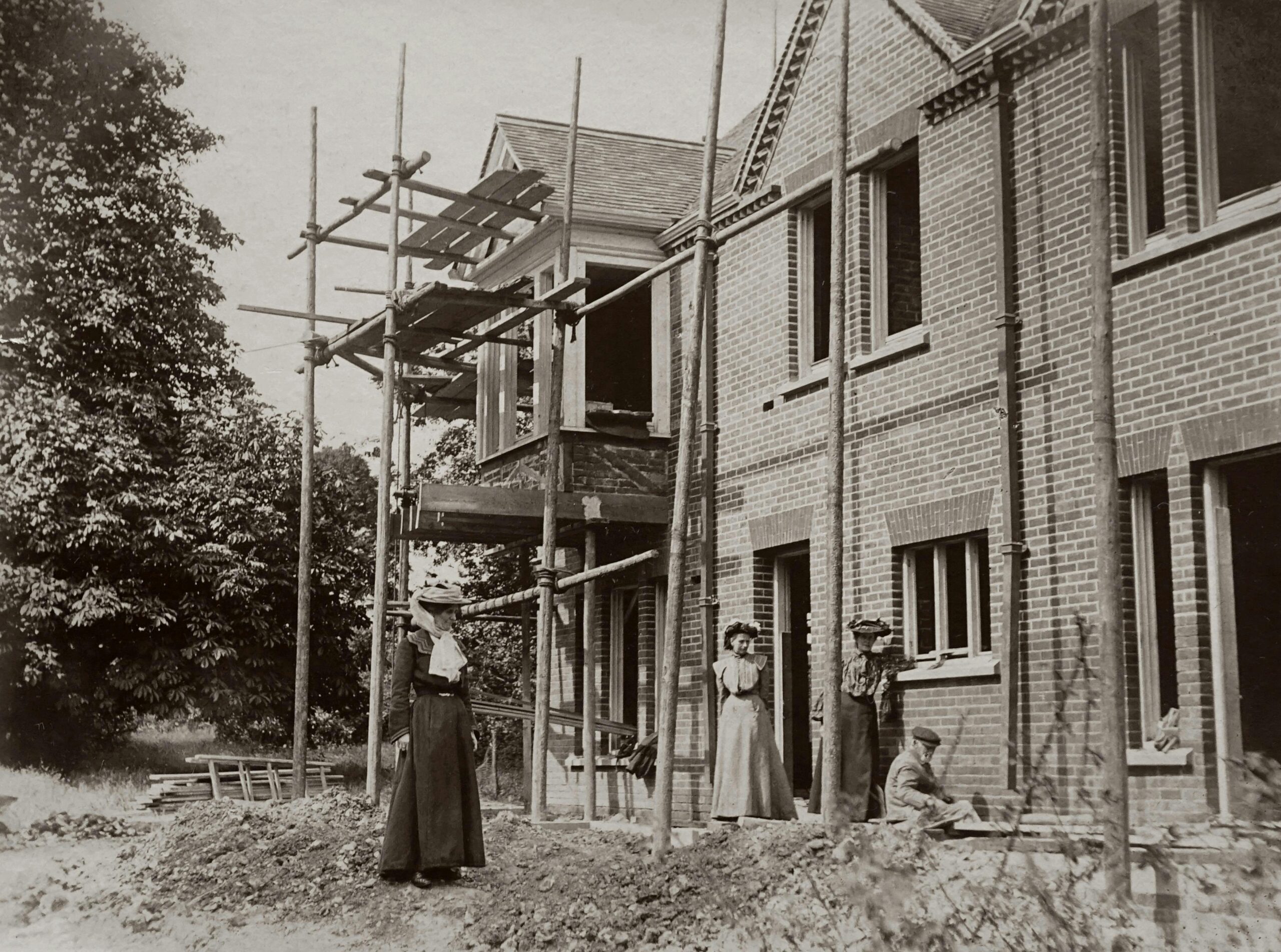
Structural integrity is the foundation of every successful engineering project, ensuring designs withstand real-world forces while protecting lives and investments.

From towering skyscrapers to intricate bridge systems, the confidence engineers place in their designs stems from a comprehensive understanding of structural integrity requirements. These requirements aren’t merely guidelines—they’re the critical framework that separates safe, reliable structures from potential disasters. In today’s rapidly evolving construction landscape, mastering these principles has become more essential than ever for professionals seeking to deliver projects that stand the test of time.
The intersection of safety, strength, and reliability defines the core mission of structural engineering. Whether you’re a seasoned professional or an aspiring engineer, understanding how to build confidence through rigorous structural integrity standards will elevate your designs and protect the communities they serve.
🏗️ The Foundation of Structural Integrity: Understanding Core Principles
Structural integrity represents the ability of a structure to withstand its intended load without experiencing failure, deformation, or collapse. This fundamental concept encompasses multiple dimensions of engineering excellence, from material selection to load distribution, environmental considerations to long-term durability.
At its core, structural integrity relies on three interconnected pillars: strength, stability, and serviceability. Strength ensures materials can resist applied forces without breaking. Stability prevents unwanted movement or buckling under load. Serviceability guarantees the structure performs its intended function throughout its design life without excessive deflection or vibration.
Engineers must consider both ultimate limit states—conditions that lead to collapse—and serviceability limit states, which affect performance and user comfort. This dual focus creates designs that are not only safe but also functional and economically viable over extended periods.
Material Behavior and Selection Criteria
Understanding how materials respond to various stresses forms the bedrock of structural confidence. Steel, concrete, timber, and composite materials each exhibit unique properties that engineers must account for during design phases. Factors like tensile strength, compressive capacity, elasticity, and fatigue resistance directly influence structural performance.
Temperature fluctuations, moisture exposure, and chemical environments can dramatically alter material properties over time. Successful designs anticipate these changes and incorporate appropriate safety factors to maintain integrity throughout the structure’s lifecycle. Material redundancy and fail-safe mechanisms provide additional layers of protection against unforeseen circumstances.
⚙️ Load Analysis: Predicting Forces That Shape Design Decisions
Accurate load analysis stands as perhaps the most critical aspect of ensuring structural integrity. Engineers must identify, quantify, and properly account for all forces a structure will encounter during its service life. These loads fall into several distinct categories, each demanding careful consideration and precise calculation.
Dead loads represent the permanent, static weight of the structure itself—beams, columns, floors, walls, and fixed equipment. Live loads fluctuate based on occupancy and use patterns, including people, furniture, vehicles, and movable equipment. Environmental loads introduce forces from wind, snow, earthquakes, temperature changes, and soil pressure.
Dynamic Load Considerations
Modern structures increasingly face complex dynamic loading scenarios that require sophisticated analysis techniques. Seismic forces, wind-induced vibrations, and impact loads from traffic or machinery create time-varying stresses that static analysis alone cannot adequately address.
Advanced computational methods now enable engineers to simulate these dynamic conditions with remarkable accuracy. Finite element analysis, modal analysis, and time-history simulations provide insights into structural behavior under realistic loading scenarios, building confidence in design choices before construction begins.
Load combinations present another critical consideration. Structures rarely experience single load types in isolation. Building codes specify how different loads should be combined to ensure adequate safety margins under various probable scenarios, from everyday conditions to extreme weather events.
📐 Design Codes and Standards: The Regulatory Framework for Safety
International and regional design codes establish minimum requirements for structural integrity, reflecting decades of research, field experience, and lessons learned from past failures. These codes provide standardized approaches to design, ensuring consistency and safety across the industry.
Major standards like the International Building Code (IBC), Eurocode, and various national specifications outline specific requirements for different structure types and materials. Compliance with these codes isn’t optional—it’s a legal and ethical obligation that protects public safety and establishes professional accountability.
However, meeting minimum code requirements represents just the starting point. Truly confident designs often exceed these baselines, incorporating additional safety margins and innovative solutions that push beyond prescriptive standards. Understanding the intent behind code provisions enables engineers to apply them intelligently rather than mechanically.
Risk-Based Design Approaches
Contemporary structural engineering increasingly embraces probabilistic methods that explicitly account for uncertainty in loads, material properties, and construction quality. These risk-based approaches provide more realistic assessments of structural reliability compared to traditional deterministic methods.
By quantifying the probability of various failure modes, engineers can make informed decisions about where to allocate resources for maximum safety benefit. This approach enables more efficient designs that maintain or improve safety while optimizing material usage and construction costs.
🔍 Quality Assurance: From Design Through Construction
Even the most brilliant design loses value if construction doesn’t faithfully execute the engineering intent. Quality assurance programs bridge the gap between theoretical calculations and physical reality, ensuring structural integrity translates from drawings to finished structures.
Effective quality management encompasses multiple phases, beginning with thorough design reviews and continuing through material testing, construction monitoring, and final inspections. Each stage provides opportunities to identify and correct issues before they compromise structural performance.
Documentation plays a crucial role in maintaining confidence throughout the project lifecycle. Detailed records of design decisions, material certifications, test results, and construction observations create an audit trail that demonstrates due diligence and facilitates future maintenance or modifications.
Non-Destructive Testing Methods
Modern inspection techniques allow engineers to assess structural integrity without damaging the components being examined. Ultrasonic testing, radiography, magnetic particle inspection, and ground-penetrating radar reveal hidden defects and verify construction quality in ways visual inspection alone cannot achieve.
These technologies provide objective data about material conditions, weld quality, concrete consolidation, and other critical factors affecting structural performance. Integrating non-destructive testing into quality assurance programs builds confidence that the completed structure matches design specifications.
🌍 Environmental and Sustainability Considerations
Structural integrity requirements now extend beyond immediate safety concerns to encompass long-term environmental impact and resource efficiency. Sustainable design practices recognize that truly reliable structures must function effectively over extended periods while minimizing ecological footprints.
Durability becomes paramount in this context. Structures designed for century-long service lives reduce resource consumption compared to buildings requiring frequent replacement. Corrosion protection, weatherproofing, and maintenance accessibility all contribute to sustained structural integrity across generations.
Climate change introduces new challenges for structural designers. Shifting weather patterns, increased storm intensity, and changing temperature extremes require forward-thinking approaches that anticipate conditions beyond historical precedents. Resilient design strategies build adaptive capacity into structures, ensuring they remain safe and functional as environmental conditions evolve.
Circular Economy Principles in Structural Design
Innovative engineers increasingly consider how structures can be deconstructed and materials recovered at the end of service life. Designing for disassembly enhances sustainability while maintaining structural integrity during the operational phase. Reversible connections, standardized components, and material passports facilitate future reuse and recycling.
This approach requires careful attention to connection details and assembly sequences that don’t compromise structural performance. The confidence gained through robust integrity analysis enables designers to innovate in sustainability without sacrificing safety or reliability.
💻 Digital Tools Revolutionizing Structural Analysis
Technological advancement has fundamentally transformed how engineers approach structural integrity verification. Building Information Modeling (BIM), advanced simulation software, and machine learning algorithms provide unprecedented capabilities for analyzing complex structural systems.
Parametric design tools enable rapid exploration of multiple design alternatives, each thoroughly analyzed for structural performance. This iterative approach builds confidence by revealing how design changes affect safety margins, material efficiency, and construction feasibility before commitments are made.
Cloud-based collaboration platforms facilitate real-time coordination between structural engineers, architects, contractors, and other stakeholders. This integrated approach reduces errors, improves constructability, and ensures structural integrity considerations inform decision-making throughout project development.
Predictive Maintenance and Structural Health Monitoring
Sensor technologies now enable continuous monitoring of structural behavior during service life. Strain gauges, accelerometers, corrosion sensors, and displacement monitors provide real-time data about how structures respond to actual loading conditions.
This information validates design assumptions, identifies emerging issues before they become critical, and informs maintenance strategies that preserve structural integrity. The feedback loop between monitoring data and future designs creates a continuous improvement cycle that enhances engineering practice industry-wide.
🎯 Building Professional Competence and Judgment
Technical knowledge alone cannot guarantee structural integrity—sound engineering judgment developed through experience and continuous learning remains irreplaceable. Recognizing when standard approaches apply versus when situations demand special analysis represents a critical skill that builds confidence in design decisions.
Mentorship relationships connect emerging engineers with experienced professionals who share hard-won insights about structural behavior, construction realities, and the subtle judgment calls that distinguish adequate designs from exceptional ones. This knowledge transfer preserves institutional wisdom while fostering innovation.
Professional development through continuing education ensures engineers remain current with evolving technologies, materials, and analysis methods. Industry conferences, technical workshops, and peer-reviewed publications expose practitioners to cutting-edge research and practical applications that enhance structural integrity practices.
Learning from Failures and Near-Misses
Forensic engineering investigations of structural failures provide invaluable lessons that inform future designs. Understanding why structures collapse—whether due to design errors, construction defects, inadequate maintenance, or unforeseen loading—builds the collective knowledge that prevents repetition of past mistakes.
Case studies examining both catastrophic failures and successfully avoided disasters should form core components of engineering education and professional development. These examples provide context for abstract calculations and reinforce the real-world consequences of design decisions.
🏆 Excellence in Execution: Practical Strategies for Implementation
Translating structural integrity principles into reliable built structures requires systematic approaches that address design, communication, and verification throughout project delivery. Successful implementation depends on clear documentation, effective collaboration, and thorough review processes.
Design checklists tailored to specific project types ensure critical considerations don’t slip through the cracks during busy design phases. These tools systematize best practices while allowing room for engineering judgment on project-specific challenges. Regular peer reviews catch errors and provide fresh perspectives that enhance design quality.
Clear communication of design intent to contractors proves essential for maintaining structural integrity during construction. Detailed drawings, comprehensive specifications, and construction-phase engineering services ensure field personnel understand critical requirements and can execute them properly.
Creating a Safety-First Culture
Organizational commitment to structural integrity extends beyond individual projects to encompass company-wide policies, training programs, and quality management systems. Firms that prioritize safety and reliability develop reputations for excellence that attract better projects and more talented staff.
Encouraging open discussion of challenges and uncertainties creates environments where engineers feel comfortable raising concerns before they become problems. This transparency builds collective confidence in design quality and strengthens the entire engineering team’s capabilities.
🚀 Future Horizons: Emerging Trends Shaping Structural Integrity
The field of structural engineering continues evolving as new materials, construction methods, and analytical tools emerge. Advanced composites, 3D-printed structural elements, and bio-based materials offer exciting possibilities alongside unique integrity challenges requiring fresh approaches.
Artificial intelligence and machine learning algorithms increasingly assist with optimization tasks, pattern recognition in monitoring data, and even preliminary design generation. These tools augment rather than replace human expertise, handling routine calculations while freeing engineers to focus on creative problem-solving and judgment-intensive decisions.
Resilience engineering—designing structures to withstand, adapt to, and recover from extreme events—represents a paradigm shift beyond traditional structural integrity concepts. This holistic approach considers not just structural survival but continued functionality and rapid recovery following disasters.
The integration of structural systems with smart building technologies creates opportunities for adaptive structures that respond to changing conditions in real-time. Self-healing materials, variable-stiffness systems, and automated load redistribution represent frontier technologies that may redefine structural integrity in coming decades.

🎓 Continuous Improvement: The Journey Never Ends
Mastering structural integrity requirements represents not a destination but an ongoing journey of learning, application, and refinement. Each project provides opportunities to deepen understanding, test assumptions, and expand capabilities. The most confident engineers remain humble about what they don’t know while continuously building on what they do.
Establishing personal and organizational systems for capturing lessons learned ensures knowledge compounds over time rather than being lost with project completion. Regular reflection on what worked well, what didn’t, and why builds the pattern recognition that characterizes expert judgment.
Professional networks connecting engineers across companies, regions, and specialties facilitate knowledge sharing that benefits the entire industry. Participating in professional societies, contributing to code development committees, and engaging with research institutions connects practitioners to broader communities advancing structural integrity science.
The confidence to design safer, stronger, and more reliable structures ultimately stems from this combination of technical competence, practical experience, professional judgment, and commitment to continuous improvement. By embracing structural integrity as both a technical discipline and a professional calling, engineers create lasting value that protects communities and advances civilization.
Building structures that stand confidently against time, elements, and use requires dedication to excellence at every phase—from initial concept through decades of service life. The principles, tools, and practices outlined here provide pathways toward that goal, but their successful application depends on individual and collective commitment to the highest standards of engineering practice. The structures we design today shape the built environment for generations to come, making our responsibility both profound and inspiring.