In an era of increasing natural disasters, public health crises, and security threats, communities worldwide must prioritize emergency preparedness and rapid response capabilities to protect their most valuable asset: people.

🚨 The Critical Foundation of Emergency Preparedness
Emergency preparedness isn’t simply about having a plan on paper—it’s about creating a living, breathing system that activates when crisis strikes. Communities that invest in rapid response capabilities demonstrate significantly better outcomes during emergencies, with reduced casualties, faster recovery times, and stronger social cohesion in the aftermath of disasters.
The concept of rapid response readiness encompasses multiple dimensions: physical infrastructure, trained personnel, communication systems, resource allocation, and perhaps most importantly, community engagement. When these elements align, communities transform from vulnerable populations into resilient networks capable of weathering virtually any storm.
Recent global events have highlighted the stark differences between prepared and unprepared communities. During the COVID-19 pandemic, areas with established emergency protocols adapted quickly, implementing testing sites, contact tracing, and vaccination programs efficiently. Meanwhile, communities without such frameworks struggled, experiencing higher infection rates and prolonged economic disruption.
🏗️ Building Blocks of Community Resilience
Establishing a culture of preparedness requires intentional effort across multiple sectors. Local governments, emergency services, healthcare systems, educational institutions, and private citizens must all participate in creating comprehensive readiness programs.
Infrastructure and Resource Stockpiling
Physical preparedness forms the backbone of any effective emergency response system. Communities must maintain strategic reserves of essential supplies including medical equipment, non-perishable food, clean water, generators, communication devices, and shelter materials. These stockpiles should be strategically positioned throughout the community to ensure accessibility even when transportation networks are compromised.
Modern emergency management also requires robust technological infrastructure. Backup power systems, redundant communication networks, and cloud-based data storage ensure that critical systems remain operational during disasters. Many forward-thinking communities have implemented mesh network communication systems that function independently of traditional cellular and internet infrastructure.
Training and Human Capital Development
Equipment alone cannot save lives—trained individuals make the difference. Comprehensive training programs should extend far beyond professional first responders to include ordinary citizens. Community Emergency Response Team (CERT) programs have proven highly effective in creating networks of trained volunteers who can provide immediate assistance during the critical first hours of an emergency.
Regular drills and exercises keep skills sharp and reveal weaknesses in emergency plans before real crises occur. These simulations should encompass various scenarios including natural disasters, infectious disease outbreaks, technological failures, and security incidents. The most effective training programs incorporate lessons learned from actual events, continuously evolving to address emerging threats.
📱 Technology as a Force Multiplier
Digital tools have revolutionized emergency management, enabling faster communication, better coordination, and more precise resource allocation. Mobile applications now provide real-time alerts, evacuation routes, shelter locations, and direct communication channels with emergency services.
Emergency alert systems have evolved significantly, moving beyond simple text messages to include geolocation-based warnings, multilingual notifications, and accessibility features for individuals with disabilities. These systems can pinpoint affected areas with remarkable precision, ensuring that warnings reach those in immediate danger while avoiding unnecessary panic in unaffected regions.
Social media platforms, despite their limitations, have become invaluable tools for both official communications and grassroots organization during emergencies. Communities have used these platforms to coordinate volunteer efforts, locate missing persons, identify resource needs, and share critical safety information in real-time.
Data Analytics and Predictive Modeling
Advanced data analysis tools enable emergency planners to anticipate crises before they fully develop. Weather prediction models, epidemiological surveillance systems, and seismic monitoring networks provide early warnings that can save countless lives. Communities that invest in these technologies gain precious time to evacuate, secure infrastructure, and mobilize resources.
Geographic Information Systems (GIS) allow emergency managers to visualize complex data layers, identifying vulnerable populations, critical infrastructure, evacuation routes, and resource distribution points. This spatial awareness dramatically improves decision-making during high-pressure situations when every minute counts.
🤝 Community Engagement and Social Capital
The strongest emergency response systems are built on foundations of trust, cooperation, and mutual aid. Communities with high levels of social capital—characterized by strong interpersonal connections and civic engagement—consistently demonstrate superior resilience during crises.
Neighborhood-level organization proves particularly valuable during emergencies. Block captains, community liaisons, and local volunteers form the crucial link between official emergency services and individual households. These grassroots networks can check on vulnerable neighbors, distribute supplies, and provide situational awareness that centralized systems might miss.
Inclusive Planning for Vulnerable Populations
Truly prepared communities recognize that emergencies affect different groups differently. Elderly residents, individuals with disabilities, non-English speakers, homeless populations, and economically disadvantaged families face unique challenges during disasters and require tailored support.
Inclusive emergency planning involves consulting with these communities during the preparation phase, ensuring that plans address their specific needs. This might include accessible transportation for mobility-impaired individuals, multilingual communications, special medical facilities for those with chronic conditions, and financial assistance programs for those who cannot afford emergency supplies.
💡 Learning from Success Stories
Examining communities that have successfully implemented rapid response systems provides valuable insights. Japan’s earthquake preparedness programs represent the gold standard, with rigorous building codes, regular drills starting in elementary school, and sophisticated early warning systems that provide precious seconds of advance notice before major seismic events.
Following Hurricane Katrina, New Orleans transformed its emergency management approach. The city now maintains detailed evacuation plans, pre-positioned resources, strengthened levees, and improved communication systems. When Hurricane Ida struck in 2021, these preparations prevented the catastrophic loss of life that characterized Katrina.
Iceland’s response to the 2010 Eyjafjallajökull volcanic eruption demonstrated the power of preparedness in a geologically active region. Clear communication, pre-established evacuation procedures, and strong coordination between scientific experts and emergency managers minimized disruption despite the massive scale of the eruption.
🎯 Practical Steps Toward Readiness
Building community resilience requires systematic action across multiple timeframes. Immediate steps, medium-term initiatives, and long-term strategic planning all play essential roles in creating truly prepared communities.
Individual and Household Preparation
Every community’s strength begins with prepared individuals. Households should maintain emergency kits containing at least 72 hours of food, water, medications, and essential supplies. Emergency plans should identify evacuation routes, meeting points, and out-of-area contacts who can serve as communication hubs if local networks fail.
- Create comprehensive emergency contact lists including family, neighbors, and local services
- Learn basic first aid and CPR through certified training programs
- Identify potential hazards in your home and take steps to mitigate them
- Develop communication plans that work even when cell phones and internet are unavailable
- Regularly update emergency kits and rotate supplies to ensure freshness
- Participate in community drills and training opportunities
- Get to know neighbors and establish mutual assistance agreements
Organizational and Institutional Responsibilities
Businesses, schools, healthcare facilities, and other organizations must develop continuity of operations plans that ensure essential functions continue during emergencies. These plans should address staffing, supply chains, communication, and recovery procedures.
Educational institutions play a particularly crucial role in fostering preparedness culture. Age-appropriate emergency education should begin in elementary school, teaching children basic safety principles, evacuation procedures, and how to remain calm during crises. These lessons create lifelong awareness and contribute to more resilient communities over time.
🌐 Regional Coordination and Mutual Aid
While local preparedness forms the foundation of emergency response, no community exists in isolation. Regional coordination expands available resources and expertise, ensuring that overwhelmed communities receive timely assistance from neighboring areas.
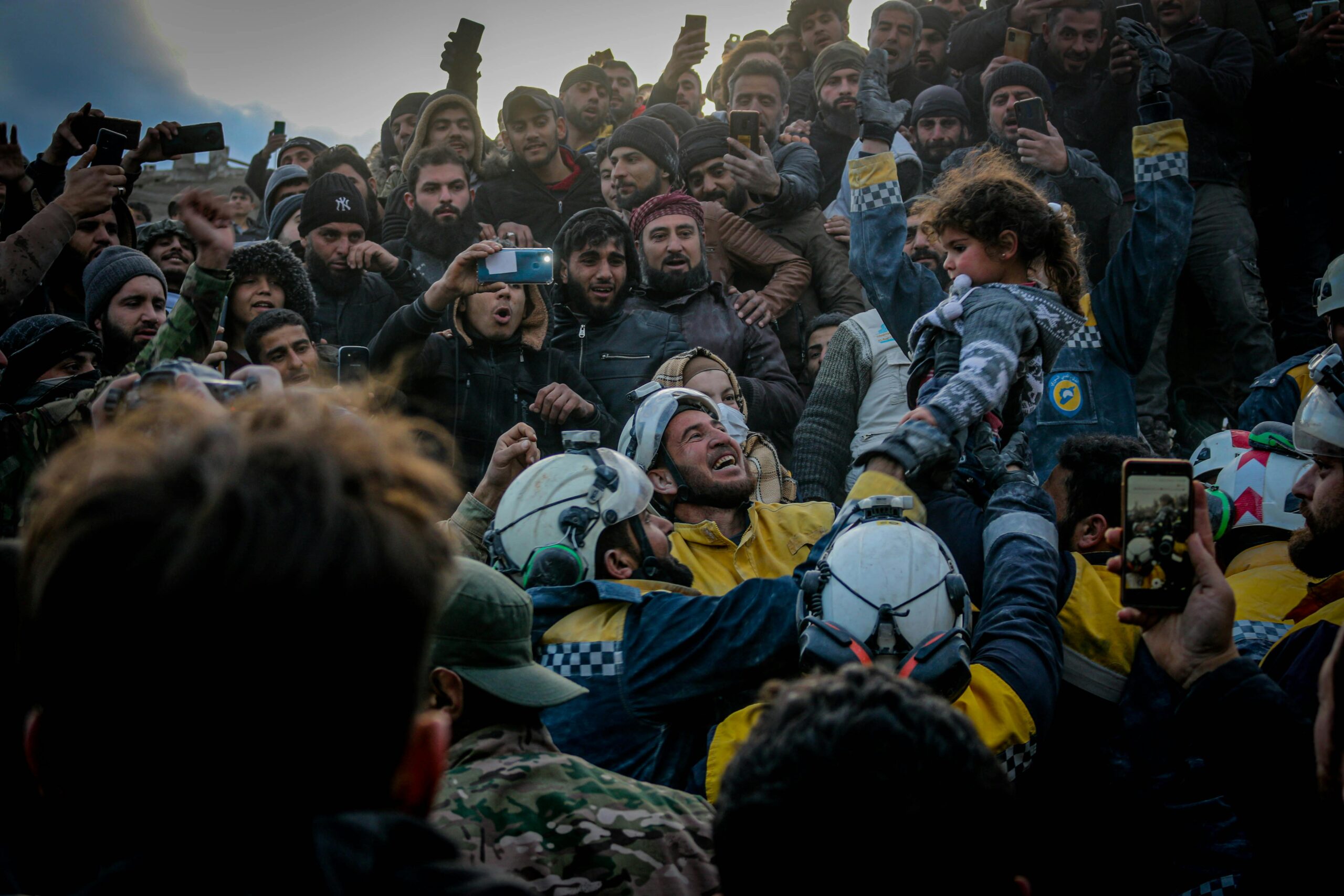
Mutual aid agreements establish formal frameworks for sharing personnel, equipment, and expertise across jurisdictional boundaries. During major disasters, these agreements enable rapid deployment of additional firefighters, medical personnel, search and rescue teams, and other specialized resources.
State and national-level coordination becomes essential during catastrophic events that exceed regional capacity. Clear chains of command, pre-established protocols, and regular inter-agency exercises ensure smooth collaboration when multiple levels of government must respond simultaneously.
🔄 Continuous Improvement and Adaptation
Emergency preparedness is not a destination but an ongoing journey. After-action reviews following drills and actual emergencies identify strengths, weaknesses, and opportunities for improvement. Organizations that embrace this learning process continuously enhance their capabilities.
Emerging threats require constant vigilance and adaptation. Climate change is increasing the frequency and intensity of extreme weather events. Cybersecurity threats can disable critical infrastructure. New infectious diseases periodically emerge with pandemic potential. Effective preparedness systems must evolve to address these changing risks.
Innovation and Future Technologies
The future of emergency management will increasingly leverage artificial intelligence, autonomous systems, and advanced materials. Drones can rapidly survey disaster areas, delivering supplies to isolated locations and identifying survivors. AI-powered systems can analyze vast amounts of data to predict crisis development and optimize resource allocation.
Wearable technology and IoT devices may soon provide real-time health monitoring during emergencies, alerting responders to individuals experiencing medical crises. Advanced materials will yield more effective protective equipment, temporary shelters, and water purification systems.
🏆 The Payoff: Resilient Communities
The investment in emergency preparedness yields returns far beyond disaster response. Communities with strong preparedness cultures typically demonstrate higher levels of civic engagement, stronger social networks, and greater trust in public institutions. These qualities enhance quality of life even during normal circumstances.
Economic benefits are substantial as well. Prepared communities experience less property damage, faster business recovery, and reduced long-term economic disruption following disasters. Insurance costs may decrease as risk profiles improve. Property values often increase in areas known for strong emergency management capabilities.
Perhaps most importantly, preparedness saves lives. Every minute saved during emergency response, every trained citizen who can provide immediate assistance, every efficient evacuation—these elements collectively prevent tragedies and reduce suffering.
🚀 Moving Forward Together
Building rapid response readiness requires sustained commitment from all community stakeholders. Local governments must allocate adequate funding, emergency services need ongoing training and equipment, businesses should develop continuity plans, and individuals must take personal responsibility for preparation.
The path forward demands collaboration across traditional boundaries. Public-private partnerships can leverage business resources and expertise. Faith-based organizations can provide community networks and volunteers. Academic institutions can contribute research and technical knowledge. Media outlets can amplify safety messages and provide critical information during emergencies.
Starting today, every community can take meaningful steps toward greater resilience. Conduct vulnerability assessments to identify specific risks and gaps. Engage diverse stakeholders in planning processes. Invest in training and equipment. Most importantly, foster a culture where preparedness is valued, practiced, and continuously improved.
The question is not whether emergencies will occur—they inevitably will. The question is whether communities will be ready to respond effectively, protecting lives, minimizing damage, and recovering quickly. Through comprehensive preparation, strategic investment, and collective commitment, we can build communities that not only survive crises but emerge stronger, more connected, and more resilient than before.
Emergency preparedness represents one of the most important investments communities can make. It transforms vulnerability into strength, fear into confidence, and isolation into solidarity. When crisis strikes—and it will—prepared communities demonstrate the best of human capacity: courage, cooperation, and care for one another.