Urban centers worldwide face unprecedented challenges as climate change, population growth, and aging infrastructure converge, demanding innovative strategies to build resilient, sustainable cities for future generations.

🏙️ The New Reality of Urban Vulnerability
Today’s cities represent a complex intersection of opportunity and risk. As more than 55% of the global population now lives in urban areas—a figure projected to reach 68% by 2050—the pressure on city infrastructure, services, and resilience mechanisms has never been greater. Urban environments concentrate economic activity, cultural exchange, and innovation, but they also amplify vulnerabilities to natural disasters, climate extremes, social inequalities, and technological failures.
The concept of urban resilience has evolved from simple disaster preparedness to a comprehensive framework addressing multiple interconnected challenges. Modern cities must simultaneously tackle flooding risks, heatwaves, social fragmentation, economic disruptions, and public health crises while maintaining livability and sustainability. This multidimensional approach requires reimagining how we design, govern, and inhabit urban spaces.
Recent catastrophic events have demonstrated the critical importance of urban resilience planning. From Hurricane Katrina’s devastating impact on New Orleans to the unprecedented flooding in European cities and the cascading effects of COVID-19 on urban systems, these incidents reveal how interconnected urban vulnerabilities can create compound risks that threaten entire metropolitan regions.
Understanding the Spectrum of Urban Resilience Risks
Building resilient cities requires a comprehensive understanding of the diverse threats facing urban environments. These risks operate across different timescales and dimensions, often interacting in unpredictable ways that amplify their individual impacts.
Climate-Related Challenges and Environmental Stressors
Climate change represents perhaps the most significant long-term threat to urban resilience. Rising temperatures create urban heat island effects that disproportionately impact vulnerable populations, particularly in dense neighborhoods with limited green space. Extreme weather events—from hurricanes and floods to droughts and wildfires—are increasing in frequency and intensity, testing the limits of urban infrastructure designed for historical climate patterns.
Sea-level rise poses existential threats to coastal cities, where billions of dollars in assets and millions of residents face potential displacement. Meanwhile, changing precipitation patterns create both flooding risks during extreme rainfall events and water scarcity during prolonged droughts, forcing cities to develop adaptive water management strategies that can handle both extremes.
Infrastructure Vulnerabilities and Systemic Dependencies
Much of the world’s urban infrastructure was designed decades ago for smaller populations and different usage patterns. Aging water systems leak precious resources, outdated electrical grids struggle with peak demands and renewable integration, and transportation networks buckle under congestion. These infrastructure vulnerabilities create cascading risks where failure in one system can trigger failures across interconnected networks.
The digitalization of urban systems introduces new vulnerabilities alongside its benefits. Smart city technologies create efficiencies but also generate cyber-attack surfaces that could disable critical services. Power outages can cascade through digital systems, paralyzing transportation, communications, healthcare, and financial services simultaneously.
Social Equity and Community Resilience Gaps
Urban resilience risks are never distributed equally. Low-income neighborhoods typically face higher exposure to environmental hazards, inferior infrastructure quality, and fewer resources for adaptation and recovery. This environmental injustice creates a dual challenge: addressing physical vulnerabilities while simultaneously tackling the social inequities that determine who suffers most when disasters strike.
Community cohesion itself functions as a resilience resource. Neighborhoods with strong social networks, trusted institutions, and effective communication channels recover faster from disruptions. Conversely, socially fragmented communities struggle to mobilize collective responses, leaving residents isolated during crises and recovery periods.
🛠️ Strategic Frameworks for Building Urban Resilience
Addressing urban resilience risks requires integrated strategies that connect physical infrastructure improvements with social programs, policy reforms, and community engagement. Successful approaches share several common characteristics that distinguish them from traditional risk management.
Integrated Risk Assessment and Adaptive Planning
Modern urban resilience planning begins with comprehensive risk assessments that examine multiple hazards simultaneously rather than treating each threat in isolation. These assessments map vulnerabilities across different urban systems, identify critical interdependencies, and highlight populations facing disproportionate risks.
Adaptive planning frameworks recognize uncertainty as an inherent feature of future urban challenges. Rather than designing for single predicted scenarios, resilient city planning develops flexible strategies that perform adequately across multiple possible futures. This approach emphasizes modularity, redundancy, and the capacity to adjust strategies as conditions change and new information emerges.
Nature-Based Solutions and Green Infrastructure
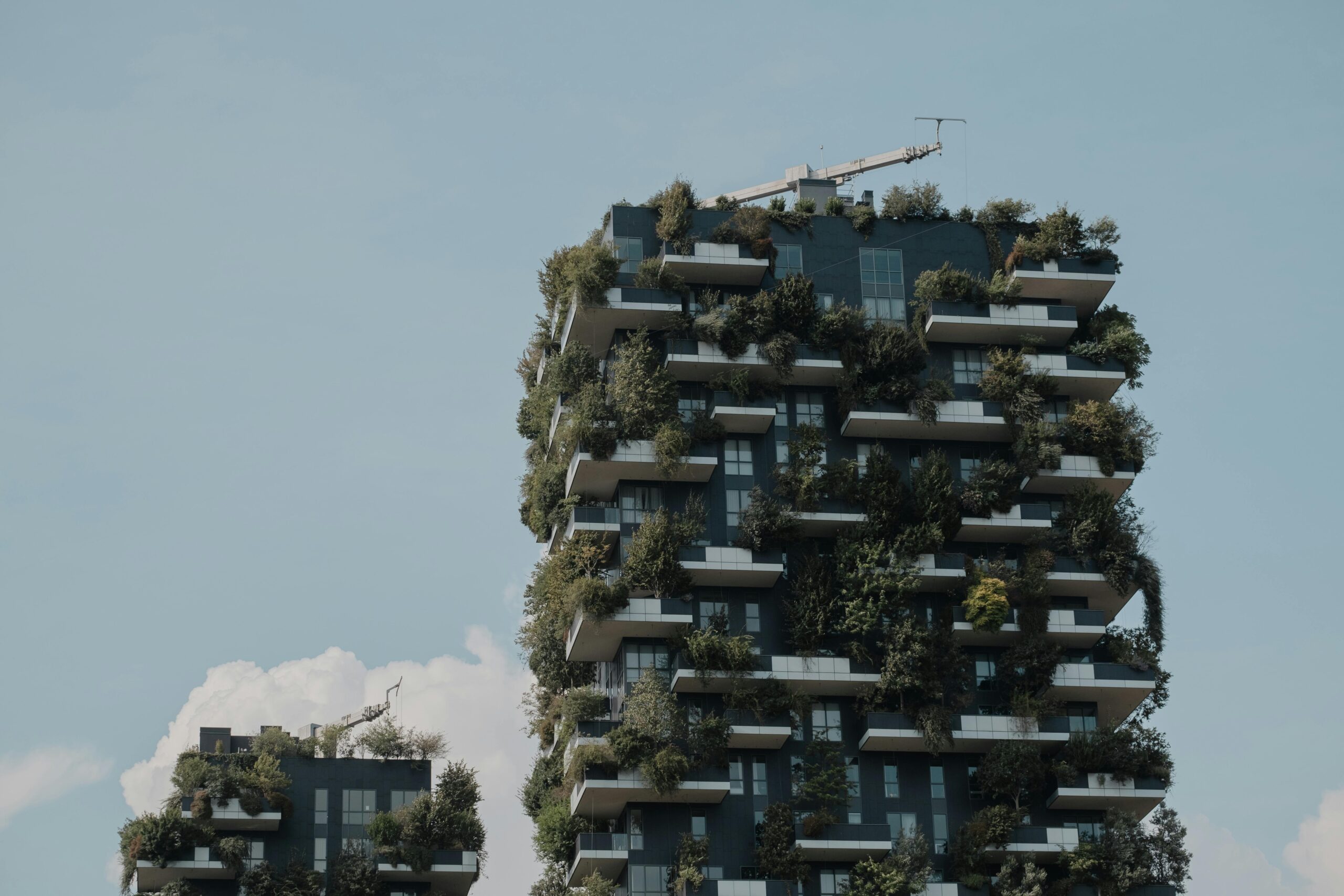
Cities are increasingly turning to nature-based solutions that harness ecological processes to address resilience challenges. Green infrastructure—including urban forests, wetlands, green roofs, and permeable surfaces—provides multiple benefits simultaneously. These systems manage stormwater, reduce urban heat, improve air quality, enhance biodiversity, and create recreational spaces while often costing less than traditional gray infrastructure.
Singapore’s transformation into a “City in a Garden” demonstrates how comprehensive greening strategies can address multiple resilience challenges. The city-state has integrated vegetation throughout its urban landscape, from rooftop gardens and vertical greenery to extensive park networks, simultaneously managing heat, water, and livability concerns.
Building Adaptive Infrastructure Systems
Resilient infrastructure must be designed for adaptability rather than rigidity. This means creating systems with built-in flexibility to accommodate changing conditions, multiple redundancies to prevent cascading failures, and decentralized components that maintain functionality even when parts of the network fail.
Energy systems exemplify this approach through microgrid development. Rather than depending entirely on centralized power generation and transmission, resilient cities develop distributed energy resources—including solar installations, battery storage, and local generation capacity—that can operate independently during grid disruptions while contributing to overall system efficiency during normal operations.
Technology and Innovation as Resilience Enablers
Technological innovation offers powerful tools for enhancing urban resilience, from monitoring and early warning systems to resource optimization and community coordination platforms. However, technology deployment must be carefully designed to enhance rather than undermine resilience goals.
Data-Driven Urban Management and Predictive Analytics
Cities generate enormous quantities of data from sensors, satellites, mobile devices, and administrative systems. Advanced analytics transform this data into actionable intelligence for resilience planning and response. Predictive models identify emerging risks before they escalate, optimize resource allocation during emergencies, and evaluate the effectiveness of resilience interventions.
Rotterdam’s digital twin technology creates virtual replicas of city systems that planners use to test infrastructure designs, simulate disaster scenarios, and optimize resource deployment strategies. This approach allows cities to experiment with resilience interventions virtually before committing resources to physical implementation.
Communication Technologies for Community Coordination
Effective emergency communication systems represent critical resilience infrastructure. Modern platforms enable two-way information flows that alert residents to dangers while simultaneously gathering real-time information from affected communities. Mobile applications provide personalized risk information, evacuation guidance, and connections to emergency services while facilitating neighbor-to-neighbor mutual aid.
Social media platforms, despite their challenges, have emerged as important resilience tools. During disasters, these networks enable rapid information sharing, resource coordination, and community organizing that often outpaces official response systems. Forward-thinking cities integrate social media monitoring into emergency operations, using these platforms to understand community needs and dispel dangerous misinformation.
🌍 Governance, Finance, and Policy Dimensions
Technical solutions alone cannot build resilient cities. Effective governance structures, adequate financing mechanisms, and supportive policy frameworks provide the institutional foundation upon which resilient urban systems are constructed.
Multi-Level Governance and Cross-Sector Collaboration
Urban resilience challenges rarely respect administrative boundaries or sectoral divisions. Flooding risks span multiple municipalities, critical infrastructure crosses jurisdictions, and effective responses require coordination among government agencies, private companies, community organizations, and individual residents.
Successful resilience governance establishes clear roles and responsibilities while creating mechanisms for collaboration across these boundaries. Regional planning authorities can coordinate watershed management, transportation networks, and emergency response systems that individual municipalities cannot address alone. Public-private partnerships leverage private sector expertise and resources while ensuring accountability to public resilience objectives.
Innovative Financing for Resilience Investment
Building urban resilience requires substantial upfront investment that may not generate immediate returns. Traditional municipal financing often struggles to prioritize long-term resilience over immediate needs, creating dangerous underinvestment in preparedness and adaptation.
Innovative financing mechanisms are emerging to address this challenge. Resilience bonds attract private capital for infrastructure improvements by demonstrating long-term cost savings from avoided disaster losses. Climate adaptation funds pool resources across municipalities, enabling smaller cities to access expertise and financing for resilience projects. Insurance industry partnerships create incentives for risk reduction while developing financial products that support recovery.
Community Engagement and Social Resilience
The most sophisticated technical systems and policies will fail without engaged communities that understand risks, participate in planning, and contribute to collective resilience. Social resilience—the capacity of communities to withstand and recover from disruptions—depends on trust, social networks, local knowledge, and shared commitment to collective wellbeing.
Participatory Planning and Local Knowledge Integration
Effective resilience planning incorporates local knowledge from residents who understand neighborhood-specific vulnerabilities, resources, and dynamics that external experts might miss. Participatory planning processes engage diverse community voices in identifying priorities, developing solutions, and implementing interventions.
These processes must be genuinely inclusive, reaching beyond typical civic participants to engage marginalized populations who often face the greatest resilience challenges. This requires meeting communities where they are—literally and figuratively—using accessible formats, multiple languages, and trusted community partners to facilitate meaningful participation.
Building Neighborhood-Level Resilience Networks
Formal emergency systems inevitably face limitations during large-scale disasters when demand overwhelms response capacity. Neighborhood-level resilience networks fill critical gaps through organized mutual aid, with trained community members providing immediate assistance, sharing resources, and supporting vulnerable neighbors.
Programs like Community Emergency Response Teams (CERT) train ordinary residents in basic disaster response skills while building social connections that enhance everyday community resilience. These networks prove valuable not only during major disasters but also in addressing chronic stresses like heat waves, where neighbor-checking prevents heat-related deaths among isolated elderly residents.
🔄 Learning, Adaptation, and Continuous Improvement
Urban resilience is not a destination but an ongoing process of learning, adaptation, and improvement. Cities that successfully navigate resilience challenges institutionalize mechanisms for evaluating performance, incorporating lessons learned, and continuously updating strategies based on new evidence and changing conditions.
Post-Event Learning and Knowledge Sharing
Every disruption—whether a major disaster or minor system failure—provides learning opportunities for improving resilience. Systematic post-event evaluations examine what worked, what failed, and why, generating insights that inform future planning and response. This learning must extend beyond technical assessments to include community perspectives on lived experiences and unmet needs.
Knowledge sharing among cities accelerates resilience learning. Networks like the Rockefeller Foundation’s 100 Resilient Cities initiative (now succeeded by various regional resilience networks) facilitate exchange of strategies, tools, and lessons learned. Cities facing similar challenges can adapt successful approaches from peer cities rather than reinventing solutions, while also avoiding repeated mistakes.
Building Institutional Capacity for Long-Term Resilience
Sustainable urban resilience requires institutional capacity that persists beyond individual projects or political cycles. This means developing specialized expertise within city agencies, establishing dedicated resilience offices with adequate authority and resources, and embedding resilience considerations into routine decision-making across all municipal functions.
Training programs build resilience expertise among city staff, while staff exchanges and professional networks connect practitioners facing similar challenges. Institutionalizing resilience also requires performance metrics that track progress over time, accountability mechanisms that ensure follow-through on commitments, and political leadership that maintains focus on long-term resilience despite short-term pressures.
Pathways Forward: Integrating Vision and Action
The scale and complexity of urban resilience challenges can feel overwhelming, but cities worldwide demonstrate that meaningful progress is possible through integrated strategies, sustained commitment, and collective action. Building tomorrow’s resilient cities requires both ambitious vision and pragmatic incrementalism—setting transformative long-term goals while implementing concrete improvements today.
Successful cities start where they are, identifying immediate opportunities to enhance resilience through existing projects and decisions. A road reconstruction project becomes an opportunity to install permeable surfaces and update stormwater management. New building codes incorporate climate adaptation requirements and energy efficiency standards. Community programs build social connections that enhance collective resilience capacity.
These incremental improvements accumulate over time, gradually transforming urban systems while also generating momentum, expertise, and political support for more ambitious interventions. Quick wins demonstrate the feasibility and benefits of resilience investment, building coalitions that can sustain longer-term transformation.
Simultaneously, visionary long-term planning establishes direction and priorities that guide incremental decisions. Comprehensive resilience strategies articulate desired futures and identify the pathways for getting there, ensuring that today’s small steps collectively move toward transformative goals rather than merely perpetuating existing patterns.
💡 The Urban Resilience Imperative
The coming decades will determine whether cities become sites of catastrophic vulnerability or models of sustainable resilience. Climate change is accelerating, urban populations continue growing, and infrastructure ages—waiting is not an option. Every delay in resilience investment increases future costs and risks while foreclosing adaptation options that become more difficult with rising temperatures and sea levels.
Yet this challenge also represents an extraordinary opportunity. Building urban resilience creates jobs, improves public health, enhances quality of life, and drives innovation with economic benefits that extend far beyond avoided disaster costs. Resilient cities become more attractive to residents and businesses, creating virtuous cycles of investment and improvement.
The path forward requires unprecedented coordination across traditional boundaries—among government levels, between public and private sectors, across professional disciplines, and between experts and communities. It demands both technical sophistication and profound engagement with questions of justice, equity, and values. Most fundamentally, it requires recognizing that urban resilience is not primarily about buildings and infrastructure, but about people—their safety, dignity, wellbeing, and collective capacity to thrive despite uncertainty.
Cities that embrace this comprehensive approach to resilience will not only survive the challenges ahead but will pioneer new models of urban living that prove more sustainable, equitable, and livable than the cities we have inherited. The work of building tomorrow’s resilient cities begins today, in the decisions we make, the investments we prioritize, and the communities we build together. The future of human civilization is increasingly urban—ensuring that future is resilient, sustainable, and just stands among the defining challenges and opportunities of our time.