Urban heat islands are transforming cities into sweltering concrete jungles, raising temperatures and threatening public health, energy resources, and environmental sustainability worldwide.

As global urbanization accelerates, metropolitan areas are experiencing temperature increases of 1-7°F (0.6-4°C) higher than surrounding rural regions. This phenomenon, known as the urban heat island (UHI) effect, results from human activities, infrastructure choices, and the replacement of natural landscapes with heat-absorbing materials. The consequences extend far beyond discomfort, affecting everything from electricity consumption to mortality rates during heat waves.
Understanding and mitigating urban heat islands has become critical as climate change intensifies these effects. Cities worldwide are implementing innovative solutions that blend green infrastructure, smart urban planning, and community engagement to create cooler, more livable environments. The path toward sustainable urban cooling requires comprehensive strategies that address both the causes and consequences of excessive urban heat.
🌡️ Understanding the Urban Heat Island Phenomenon
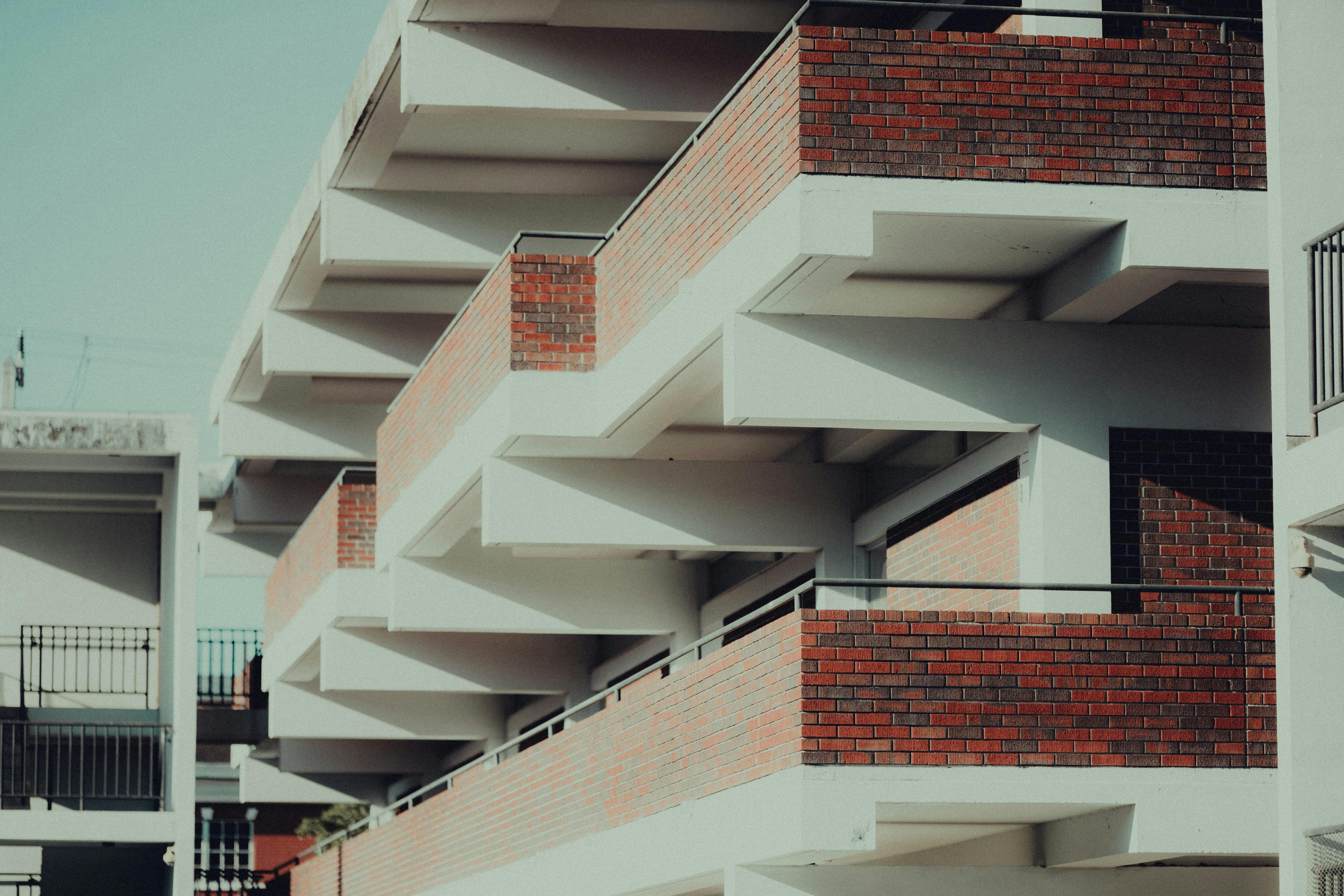
The urban heat island effect occurs when cities replace natural land cover with dense concentrations of pavement, buildings, and other surfaces that absorb and retain heat. Unlike forests and wetlands that cool the air through evapotranspiration, urban materials like asphalt, concrete, and metal store thermal energy during the day and release it slowly at night, preventing cities from cooling down effectively.
Several factors contribute to this temperature disparity between urban and rural areas. Dark surfaces with low albedo absorb up to 95% of solar radiation, while reflective natural surfaces deflect much of this energy back into space. Building geometry creates canyon-like streets that trap heat and reduce airflow. The absence of vegetation eliminates natural cooling mechanisms, and waste heat from vehicles, air conditioning systems, and industrial processes adds additional thermal load to the urban atmosphere.
The intensity of urban heat islands varies by city size, geographic location, weather conditions, and time of year. Coastal cities often experience less severe effects due to ocean breezes, while inland metropolitan areas in arid climates face extreme temperature differentials. Nighttime heat islands typically prove more pronounced than daytime variations, as stored heat continues radiating from urban surfaces long after sunset.
The Geographic Distribution of Heat Within Cities
Not all neighborhoods experience urban heat equally. Low-income communities and historically marginalized areas often suffer from more intense heat exposure due to fewer trees, inadequate green spaces, and higher concentrations of heat-retaining infrastructure. This environmental inequity creates serious public health disparities, with vulnerable populations facing greater risks of heat-related illness and mortality.
Industrial zones, commercial districts, and densely built residential areas typically register the highest temperatures, while parks, waterfront areas, and tree-lined neighborhoods remain significantly cooler. These temperature variations within cities can exceed 15-20°F (8-11°C) on extreme heat days, highlighting the importance of targeted cooling interventions in the most affected areas.
🏙️ The Cascading Consequences of Urban Overheating
The impacts of urban heat islands extend across multiple dimensions of city life, creating challenges for public health systems, energy infrastructure, environmental quality, and economic vitality. Recognizing these interconnected effects helps cities prioritize heat mitigation as a critical component of urban sustainability planning.
Public Health Implications
Excessive heat represents one of the deadliest weather-related hazards, causing more fatalities annually than hurricanes, floods, and tornadoes combined in many regions. Urban heat islands amplify these risks by prolonging exposure to dangerous temperatures, particularly affecting elderly residents, children, people with chronic illnesses, outdoor workers, and those without access to air conditioning.
Heat-related illnesses range from heat exhaustion and heat cramps to life-threatening heat stroke. Beyond acute conditions, chronic exposure to elevated temperatures correlates with cardiovascular disease, respiratory problems, kidney disorders, and mental health challenges. Sleep disruption from nighttime heat further compromises overall health and cognitive function.
Energy Consumption and Economic Costs
Every 1°F (0.6°C) increase in temperature above 77°F (25°C) raises peak electricity demand by 1.5-2% in most cities. This surge in cooling demand strains electrical grids, increases energy costs for residents and businesses, and contributes to additional greenhouse gas emissions from power generation. Cities already spend billions annually on extra electricity required to combat urban heat effects.
The economic burden encompasses direct cooling costs, productivity losses from heat exposure, increased health care expenditures, and infrastructure deterioration accelerated by thermal stress. Heat waves can reduce labor productivity by 20-30% for outdoor workers, impacting construction, agriculture, and service industries significantly.
Environmental and Ecological Impacts
Urban heat islands worsen air quality by accelerating the formation of ground-level ozone and other pollutants. Higher temperatures increase the volatilization of organic compounds and speed up photochemical reactions that create smog. This combination of heat and poor air quality creates especially dangerous conditions for people with respiratory conditions like asthma.
Elevated urban temperatures also disrupt local ecosystems, affecting plant phenology, wildlife behavior, and biodiversity. Urban waterways suffer from thermal pollution as warm runoff from heated surfaces flows into streams and rivers, threatening aquatic life. The altered microclimates in cities can create barriers for native species while favoring invasive organisms adapted to warmer conditions.
🌳 Green Infrastructure: Nature’s Air Conditioning
Vegetation represents one of the most effective and aesthetically pleasing solutions for urban cooling. Trees, green roofs, vertical gardens, and urban forests provide multiple cooling mechanisms while delivering numerous co-benefits for city residents and ecosystems.
The Cooling Power of Urban Trees
Strategically planted trees can reduce surface and air temperatures by 20-45°F (11-25°C) through shade and evapotranspiration. A single mature tree can transpire up to 100 gallons (379 liters) of water daily, providing cooling equivalent to five average air conditioning units running for 20 hours. Tree canopy coverage of just 30-40% in a neighborhood can significantly moderate local temperatures and improve thermal comfort.
Beyond cooling, urban forests filter air pollution, reduce stormwater runoff, increase property values, enhance mental health, and create habitat for urban wildlife. Cities worldwide are implementing ambitious tree-planting initiatives, with goals ranging from millions of new trees to percentage increases in canopy coverage. Successful programs prioritize native species adapted to local conditions and focus planting efforts in the most heat-vulnerable neighborhoods.
Green Roofs and Living Walls Transform Buildings
Green roofs convert unused rooftop spaces into vegetated areas that insulate buildings, reduce surface temperatures by 30-40°F (17-22°C) compared to conventional roofs, and absorb rainwater. These systems range from extensive installations with shallow-rooted plants requiring minimal maintenance to intensive gardens featuring diverse vegetation and recreational spaces.
Cities like Copenhagen, Toronto, and Singapore have implemented policies requiring or incentivizing green roofs on new construction and retrofit projects. The results include reduced building energy consumption, extended roof membrane lifespan, improved air quality, and valuable urban green space. Living walls or vertical gardens provide similar benefits for building facades, particularly in dense urban areas with limited ground-level space for vegetation.
Parks and Urban Green Spaces as Cooling Islands
Parks function as “cool islands” within cities, with temperatures often 5-10°F (3-6°C) lower than surrounding built-up areas. The cooling effect extends beyond park boundaries, with benefits measurable up to several hundred meters away. Larger parks with mature trees, water features, and diverse vegetation provide more substantial cooling than small, manicured lawns.
Equitable distribution of parks and green spaces remains crucial for environmental justice. Cities are increasingly mapping heat vulnerability and prioritizing green infrastructure investments in underserved neighborhoods that experience the most severe heat exposure. Community gardens, pocket parks, and greened schoolyards offer opportunities to increase vegetation even in highly urbanized contexts.
🏗️ Cool Materials and Smart Urban Design
Modifying the built environment through reflective surfaces, permeable materials, and thoughtful design represents another powerful approach to reducing urban heat absorption and retention.
Cool Roofs and Reflective Surfaces
Cool roofs use highly reflective materials or coatings to deflect solar radiation rather than absorbing it. These surfaces can reflect 65-90% of sunlight compared to just 5-20% for traditional dark roofs. This simple modification can reduce roof surface temperatures by 50-60°F (28-33°C), dramatically lowering cooling energy requirements for buildings beneath.
Cool roof technologies include white or light-colored coatings, reflective tiles, metal roofing with specialized finishes, and innovative materials incorporating infrared-reflective pigments. Cities like Los Angeles, New York, and Athens have established programs to retrofit public buildings with cool roofs and incentivize private property owners to adopt these technologies. The collective impact across entire neighborhoods creates measurable reductions in ambient air temperature.
Cool Pavement Technologies
Pavement covers 30-45% of urban land area in most cities, making it a significant contributor to heat island effects. Cool pavement strategies include reflective coatings, permeable materials that allow water infiltration and evaporation, and lighter-colored concrete alternatives to dark asphalt. These approaches can reduce pavement surface temperatures by 10-30°F (6-17°C) and lower surrounding air temperatures by several degrees.
Phoenix, Sacramento, and Los Angeles are pioneering cool pavement programs, testing various materials and application methods. Challenges include balancing heat reduction with glare concerns, ensuring durability, and managing costs. Permeable pavements offer the dual benefits of cooling and improved stormwater management, reducing runoff while allowing subsurface moisture to cool the urban environment through evaporation.
Urban Design Principles for Heat Mitigation
The spatial arrangement of buildings, streets, and open spaces profoundly influences urban microclimates. Design principles that enhance cooling include creating wind corridors that facilitate air circulation, orienting streets to maximize shade, increasing building setbacks, incorporating water features, and breaking up large expanses of impervious surfaces with vegetation.
Traditional architectural approaches from hot climates offer valuable lessons: narrow streets that provide shade, light-colored building materials, courtyard designs that promote ventilation, and architectural elements like overhangs and pergolas. Modern interpretations of these time-tested strategies, combined with contemporary technology and materials, create more thermally comfortable urban environments without sacrificing density or functionality.
💧 Water as a Cooling Element in Cities
Water features provide immediate evaporative cooling while creating attractive amenities that enhance urban livability. Fountains, reflecting pools, artificial streams, restored urban waterways, and splash pads all contribute to local temperature reduction and offer psychological cooling benefits through their visual and auditory qualities.
Cities like Seoul have transformed buried streams back into open waterways, creating linear parks that cool surrounding neighborhoods while providing recreational space and habitat. Singapore incorporates water extensively throughout its urban landscape, from dramatic waterfall features to canals and reservoirs that moderate temperatures. These projects demonstrate how water infrastructure can serve multiple purposes: cooling, stormwater management, aesthetics, and community gathering spaces.
Innovative approaches include misting systems in public spaces, water walls on building facades, and increased use of permeable surfaces that retain moisture. Even small-scale interventions like residential rain gardens and bioswales contribute to neighborhood cooling by maintaining soil moisture and supporting vegetation.
📱 Technology and Data-Driven Heat Management
Advanced technologies are revolutionizing how cities understand, monitor, and respond to urban heat challenges. Remote sensing, IoT sensors, and sophisticated modeling tools enable precise mapping of heat distributions and evidence-based intervention planning.
Satellite imagery and thermal cameras mounted on vehicles or drones create detailed heat maps showing temperature variations across neighborhoods. These visualizations help cities identify heat hotspots, track the effectiveness of cooling interventions over time, and communicate heat risks to residents. Real-time monitoring networks with ground-based sensors provide data for heat warning systems and inform immediate response during extreme heat events.
Mobile applications are emerging as tools for heat awareness and protection. Weather apps now incorporate heat index information and provide personalized alerts about dangerous conditions. Some applications map cool refuge locations like air-conditioned public buildings, shaded parks, and cooling centers during heat waves. Cities can leverage these technologies to help vulnerable populations find relief during extreme heat events.
🌍 Global Success Stories and Innovative Solutions
Cities worldwide are implementing creative approaches to combat urban heat, offering inspiring examples and valuable lessons for communities just beginning their cooling journeys.
Melbourne, Australia developed an urban forest strategy aiming to increase canopy coverage from 22% to 40% by 2040, with specific targets for each neighborhood. The city maps every tree, monitors urban heat, and engages residents in tree selection and care. Paris is transforming schoolyards from asphalt expanses into “oases” with trees, permeable surfaces, and water features that serve as community cooling centers during heat waves.
Medellín, Colombia created “green corridors” along 18 roadways, planting trees and vegetation that reduced temperatures by up to 4°F (2°C) and improved air quality. Tokyo requires new developments to include greening, resulting in thousands of green roofs and walls across the city. Abu Dhabi is pioneering cool pavement technologies suited to extreme desert conditions, testing materials that remain effective despite intense solar radiation and high ambient temperatures.
These examples demonstrate that effective heat mitigation requires sustained commitment, adequate funding, community engagement, and integration of cooling strategies into broader urban planning and climate adaptation efforts. No single solution suffices; comprehensive approaches combining multiple interventions yield the most significant results.
🤝 Building Community Resilience to Urban Heat
Technical solutions alone cannot fully address urban heat challenges. Building community awareness, establishing social support networks, and ensuring equitable access to cooling resources are equally essential components of heat resilience.
Public education campaigns help residents understand heat risks, recognize symptoms of heat illness, and take protective actions. Community-based programs train volunteers to check on vulnerable neighbors during heat waves. Cities are designating and promoting cooling centers in libraries, community centers, and other public buildings where people without air conditioning can find relief.
Engaging residents in heat mitigation efforts creates ownership and ensures solutions reflect community needs and preferences. Participatory planning processes, community tree-planting events, and neighborhood greening projects build social cohesion while addressing environmental challenges. Programs that employ local residents for green infrastructure installation and maintenance provide economic benefits alongside cooling improvements.
🚀 The Path Forward: Policy and Planning for Cooler Cities
Transforming hot urban environments into cooler, more sustainable cities requires comprehensive policy frameworks, dedicated funding, and integration of heat mitigation across all aspects of urban planning and development.
Progressive cities are establishing heat action plans with specific temperature reduction targets, implementation timelines, and accountability measures. Building codes and zoning regulations increasingly incorporate requirements for green roofs, cool materials, tree preservation, and minimum vegetation coverage. Incentive programs subsidize cool roof installations, tree planting, and green infrastructure on private property.
Climate action plans now routinely include urban heat reduction as a key objective alongside greenhouse gas emission reductions and climate adaptation. Recognizing that cooling interventions like vegetation and reflective surfaces also reduce energy consumption and carbon emissions creates synergies between mitigation and adaptation goals.
Funding mechanisms range from general tax revenue allocations to dedicated green bonds, climate adaptation funds, and innovative financing approaches like stormwater fees that support green infrastructure. Public-private partnerships leverage private sector resources and expertise while maintaining public oversight of urban cooling initiatives.
Research and innovation continue advancing urban cooling technologies and strategies. Universities, research institutions, and pilot programs are testing new materials, refining design approaches, and evaluating intervention effectiveness. Sharing knowledge across cities accelerates progress and helps communities learn from successes and challenges elsewhere.
The imperative to cool our concrete jungles grows more urgent as climate change intensifies heat waves and extends hot seasons. Yet the solutions exist, proven effective in cities worldwide. Green infrastructure, cool materials, thoughtful design, water features, and community engagement together can dramatically reduce urban temperatures, improve public health, lower energy consumption, and enhance quality of life.
Creating cooler cities requires sustained commitment from governments, businesses, and residents working collaboratively toward shared goals. Every tree planted, every roof painted white, every patch of pavement replaced with vegetation, contributes to a cooler, more livable urban future. The transformation from sweltering concrete jungle to green, comfortable city is not only possible but essential for sustainable urban development in our warming world. 🌱