Crowded spaces are everywhere—from packed subway cars to bustling shopping malls. These environments profoundly influence how we think, feel, and act in ways we rarely recognize.

🧠 The Hidden Forces of Social Crowding
Social crowding represents more than physical proximity to others. It encompasses the psychological experience of having too many people in a given space, creating a complex interplay between our environment and mental state. Unlike density, which merely measures bodies per square foot, crowding involves our subjective interpretation of spatial limitations and social boundaries.
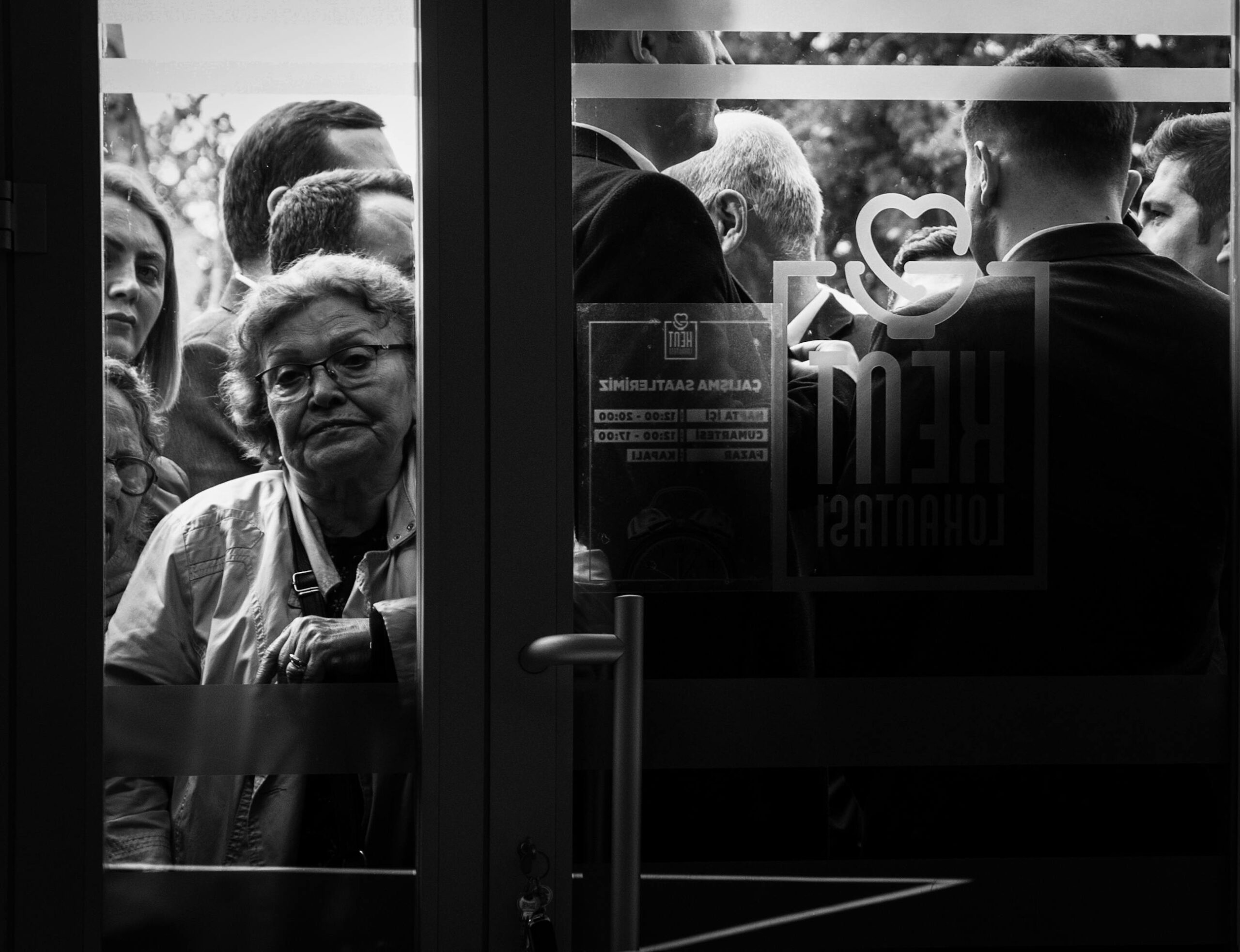
Research in environmental psychology reveals that crowding triggers ancient survival mechanisms in our brains. When surrounded by numerous individuals, our nervous systems activate threat-detection protocols developed over millennia. This response occurs even when we’re perfectly safe, like standing in a grocery store checkout line or attending a concert.
The distinction between density and perceived crowding matters significantly. Two people might stand in identical spaces with the same number of individuals yet experience vastly different levels of stress. Cultural background, personality traits, previous experiences, and current mood all influence whether we interpret a situation as uncomfortably crowded or pleasantly bustling.
🎭 Emotional Responses to Packed Environments
Our emotional reactions to crowded spaces follow predictable patterns, though individual experiences vary considerably. The most common response involves elevated stress hormones, particularly cortisol, which floods our systems when personal space feels violated. This biochemical reaction happens automatically, often before conscious awareness registers discomfort.
Anxiety frequently accompanies crowding experiences. People report feelings of being trapped, overwhelmed, or unable to escape. These sensations connect directly to our fundamental need for autonomy and control over our immediate environment. When crowds limit our movement options, psychological reactance—our resistance to restrictions on freedom—intensifies negative emotions.
Interestingly, crowding doesn’t always produce negative feelings. Context transforms interpretation dramatically. Concert venues, sports stadiums, and festival grounds demonstrate how crowding can generate excitement, connection, and euphoria. The difference lies in expectation, choice, and shared purpose among crowd members.
The Spectrum of Crowding Emotions
Understanding the emotional range helps explain seemingly contradictory reactions to similar situations:
- Stress and Irritability: Common in utilitarian spaces like public transportation where crowding feels imposed rather than chosen
- Excitement and Energy: Typical at entertainment events where crowds enhance the experience through collective enthusiasm
- Fatigue and Withdrawal: Result of prolonged exposure to crowded conditions, leading to social exhaustion
- Connection and Belonging: Emerge when crowds share identity, purpose, or positive emotional states
- Anxiety and Claustrophobia: Intensify when escape routes appear limited or when previous negative experiences resurface
🚶♀️ Behavioral Changes in Crowded Spaces
Crowding fundamentally alters how we behave, often in ways that contradict our normal patterns. One of the most documented effects involves reduced helping behavior. Studies consistently show that people in crowded environments become less likely to assist strangers, make eye contact, or engage in prosocial actions.
This phenomenon doesn’t stem from moral deficiency but rather from cognitive overload. Our brains process enormous amounts of social information in crowded settings—facial expressions, body language, movement trajectories, potential threats. This overwhelming input forces mental shortcuts and social withdrawal as protective mechanisms.
Personal space negotiations become constant in packed environments. We develop sophisticated nonverbal strategies to maintain psychological boundaries when physical ones disappear. Looking at phones, wearing headphones, adopting closed body postures—these behaviors create invisible barriers compensating for lost spatial buffers.
Decision-Making Under Social Pressure
Crowding significantly impacts our decision-making processes, often in economically measurable ways. Retail environments demonstrate this clearly. Moderate crowding can increase purchasing by creating urgency and social proof—seeing others shop validates our own buying impulses. However, excessive crowding backfires, driving customers away or rushing decisions.
Restaurant research reveals optimal density levels for different establishment types. Fine dining venues suffer when crowded, as customers perceive reduced service quality and exclusivity. Conversely, casual eateries benefit from buzz and energy that moderate crowds provide, signaling popularity and social validation.
Time perception shifts dramatically in crowded conditions. Minutes feel like hours when stuck in packed spaces, influencing everything from customer satisfaction to political attitudes about public services. This temporal distortion affects subsequent decisions about route choices, shopping habits, and willingness to return to specific locations.
🏙️ Urban Environments and Chronic Crowding
City dwellers face unique challenges related to persistent crowding exposure. Unlike occasional crowding at events, urban residents encounter dense social environments daily. This chronic exposure produces distinct psychological adaptations and potential health consequences.
Urban psychologists identify a phenomenon called “behavioral sink,” where prolonged crowding leads to social withdrawal, increased aggression, and reduced cooperation. However, many urbanites develop effective coping mechanisms that mitigate these effects. The ability to create psychological privacy amid physical density represents a crucial adaptation skill.
Neighborhood design profoundly influences crowding perception. Identical population densities feel vastly different depending on architectural features, green space availability, and public amenity distribution. Well-designed high-density neighborhoods incorporate retreat spaces, varied sightlines, and activity zones that reduce perceived crowding despite objective density.
The Commuter Experience
Daily commutes represent one of modern life’s most challenging crowding situations. Public transportation crowding combines multiple stressors: lack of control, violation of personal space, uncertain duration, and physical discomfort. These factors accumulate, affecting mood, productivity, and life satisfaction.
Research tracking commuters reveals measurable impacts on wellbeing. Those enduring crowded commutes show elevated blood pressure, reduced job satisfaction, and increased interpersonal conflicts at work and home. The stress doesn’t remain compartmentalized but ripples throughout daily life.
Successful coping strategies include reframing commute time as personal rather than wasted, using headphones to create auditory privacy, and developing routines that provide predictability amid chaos. Some commuters report using mindfulness techniques or viewing the experience as tolerance training.
💡 Cultural Differences in Crowding Tolerance
Cultural background dramatically shapes crowding interpretation and tolerance. Societies differ substantially in preferred interpersonal distances, appropriate public behavior, and crowding acceptance. What feels oppressively packed to someone from a rural Western background might seem comfortably normal to someone raised in dense Asian cities.
Anthropological research identifies cultures as either “contact” or “non-contact” regarding physical proximity preferences. Mediterranean, Latin American, and Middle Eastern cultures generally accept closer interpersonal distances, while Northern European and East Asian cultures prefer larger buffers—though for different reasons.
These differences extend beyond mere preference into fundamental worldview variations. Individualistic cultures emphasize personal autonomy and control, making crowding feel more threatening to identity. Collectivistic cultures prioritize group harmony and interdependence, potentially buffering some negative crowding effects while introducing different stressors.
🏢 Workplace Crowding and Productivity
Modern office design trends toward open plans and hot-desking have intensified workplace crowding issues. While intended to foster collaboration and reduce costs, these layouts often backfire by creating chronic crowding stress that diminishes productivity and satisfaction.
Studies measuring actual performance in various office configurations reveal nuanced results. Open offices do increase certain types of informal communication, but they simultaneously reduce deep work capacity, increase distraction, and elevate stress hormones. The productivity gains from collaboration rarely offset losses from reduced concentration.
Individual differences matter enormously in workplace crowding tolerance. Extroverts generally cope better with open, crowded environments, drawing energy from ambient social stimulation. Introverts experience greater stress and fatigue, requiring more frequent retreats to quiet spaces for cognitive recovery.
Optimal Office Density Solutions
Forward-thinking organizations recognize that one-size-fits-all density approaches fail. Successful strategies include:
- Providing varied workspace types including collaborative zones, quiet rooms, and enclosed spaces
- Implementing occupancy sensors that prevent overcrowding in specific areas
- Establishing norms around noise levels and interruption protocols
- Offering flexible work arrangements that reduce peak density periods
- Creating visual privacy through strategic furniture placement and greenery
🎯 Managing Crowding in Retail and Hospitality
Businesses that manage crowds effectively gain significant competitive advantages. Successful crowding management balances maximizing capacity with maintaining experience quality—a delicate equilibrium requiring sophisticated understanding of human psychology.
Queue psychology represents a specialized field within crowding research. How waits are structured dramatically affects customer satisfaction independent of actual wait duration. Occupied waits feel shorter than unoccupied ones, explaining why Disney fills queue lines with entertainment and why airports locate shops between security and gates.
Virtual queuing systems, increasingly common across industries, address crowding by distributing temporal rather than spatial density. Apps allowing remote check-ins reduce physical crowding while maintaining service capacity. This innovation acknowledges that modern consumers value time flexibility over immediate physical presence.
🧘♂️ Psychological Strategies for Coping with Crowds
Individual coping strategies can substantially reduce crowding stress. Cognitive reframing—consciously interpreting situations differently—proves particularly effective. Viewing fellow crowd members as individuals with their own stories rather than obstacles transforms emotional responses.
Mindfulness techniques adapted for crowded environments help manage physiological stress responses. Brief body scans, conscious breathing, and sensory grounding exercises interrupt automatic stress cascades. Regular practice builds resilience, making future crowding encounters less overwhelming.
Preparation reduces crowding anxiety significantly. Researching locations beforehand, timing visits during off-peak hours, identifying escape routes, and having contingency plans all enhance perceived control. Even small increases in predictability diminish stress substantially.
Digital Tools for Crowd Navigation
Technology increasingly helps people avoid or manage crowded situations. Real-time occupancy data, predictive algorithms for busy periods, and crowd-sourced reporting transform how we navigate public spaces. These tools restore agency and control, the very elements crowding threatens.
Maps applications now integrate crowding data for public transit and popular destinations. This information allows strategic decision-making about routes and timing, reducing unwanted crowding exposure. The psychological benefit of choice itself—even when all options involve some crowding—substantially improves experience.
🌍 Public Health Implications of Crowding
Beyond psychological effects, crowding carries significant public health consequences. Disease transmission accelerates in crowded conditions, a reality made viscerally apparent during recent pandemic experiences. Social distancing recommendations directly challenged built environments designed around density maximization.
Chronic crowding exposure correlates with elevated cardiovascular disease risk, compromised immune function, and mental health challenges. These effects accumulate over time, disproportionately impacting populations with less control over their environmental conditions—typically lower-income communities facing housing overcrowding and inadequate public space access.
Urban planning increasingly incorporates health considerations into density decisions. The “15-minute city” concept—where residents access essential services within short walks—addresses crowding by distributing destinations rather than concentrating them. This approach reduces transportation crowding while maintaining urban vitality.
🔮 Future Trends in Crowding Management
Emerging technologies promise sophisticated crowding management solutions. Artificial intelligence analyzing foot traffic patterns enables predictive crowd control, redirecting flows before dangerous densities develop. Smart buildings adjust capacity limits dynamically based on real-time occupancy and environmental conditions.
Virtual and augmented reality technologies may eventually reduce crowding by substituting digital presence for physical attendance at certain events. While not replacing all in-person experiences, these technologies could alleviate crowding for transactions, observations, and information gathering that don’t require physical presence.
Architectural innovations continue evolving in response to crowding challenges. Modular spaces that reconfigure based on demand, transparent occupancy communication systems, and biophilic design elements that psychologically expand perceived space all represent promising directions for creating density without crowding.
🎪 When Crowds Enhance Rather Than Diminish Experience
Understanding positive crowding experiences reveals important lessons about density management. Successful large gatherings share common characteristics: clear purpose, shared identity among participants, adequate infrastructure, and competent organization that maintains safety while maximizing enjoyment.
Music festivals, sporting events, and cultural celebrations demonstrate that thousands of people can occupy limited spaces while generating overwhelmingly positive experiences. The difference lies in expectation alignment, voluntary participation, and the transformation of anonymous individuals into temporary communities united by shared focus.
These positive crowding situations actually leverage density as an asset. Collective effervescence—the energy and emotion generated by synchronized group experiences—requires critical mass. Too few people diminish the experience as surely as too many uncomfortable people do.
🛠️ Practical Applications Across Domains
The science of crowding yields actionable insights across numerous fields. Transportation planners redesigning transit systems benefit from understanding psychological crowding thresholds beyond mere capacity numbers. Architects creating residential buildings apply crowding research to balance density with livability.
Event organizers use crowding science to optimize attendee experiences through strategic flow design, rest area placement, and capacity management. Healthcare facilities apply these principles to reduce patient stress in waiting areas. Educational institutions consider crowding impacts when designing learning environments and scheduling classes.
Policymakers addressing housing affordability must weigh density benefits against crowding costs. Zoning decisions, building codes, and public space requirements all involve crowding considerations. Getting these decisions right profoundly affects population wellbeing and urban sustainability.
The interplay between physical density and psychological crowding reveals that human experience cannot be reduced to simple metrics. Context, culture, individual differences, and situational factors all shape whether packed spaces energize or exhaust us. As urbanization continues globally, understanding and managing crowding becomes increasingly crucial for human flourishing. By recognizing crowding’s profound impacts on behavior, emotions, and decisions, we can design better spaces, develop effective coping strategies, and create environments where density enhances rather than diminishes quality of life. The goal isn’t eliminating crowds but rather creating conditions where proximity promotes connection without overwhelming our psychological capacities.