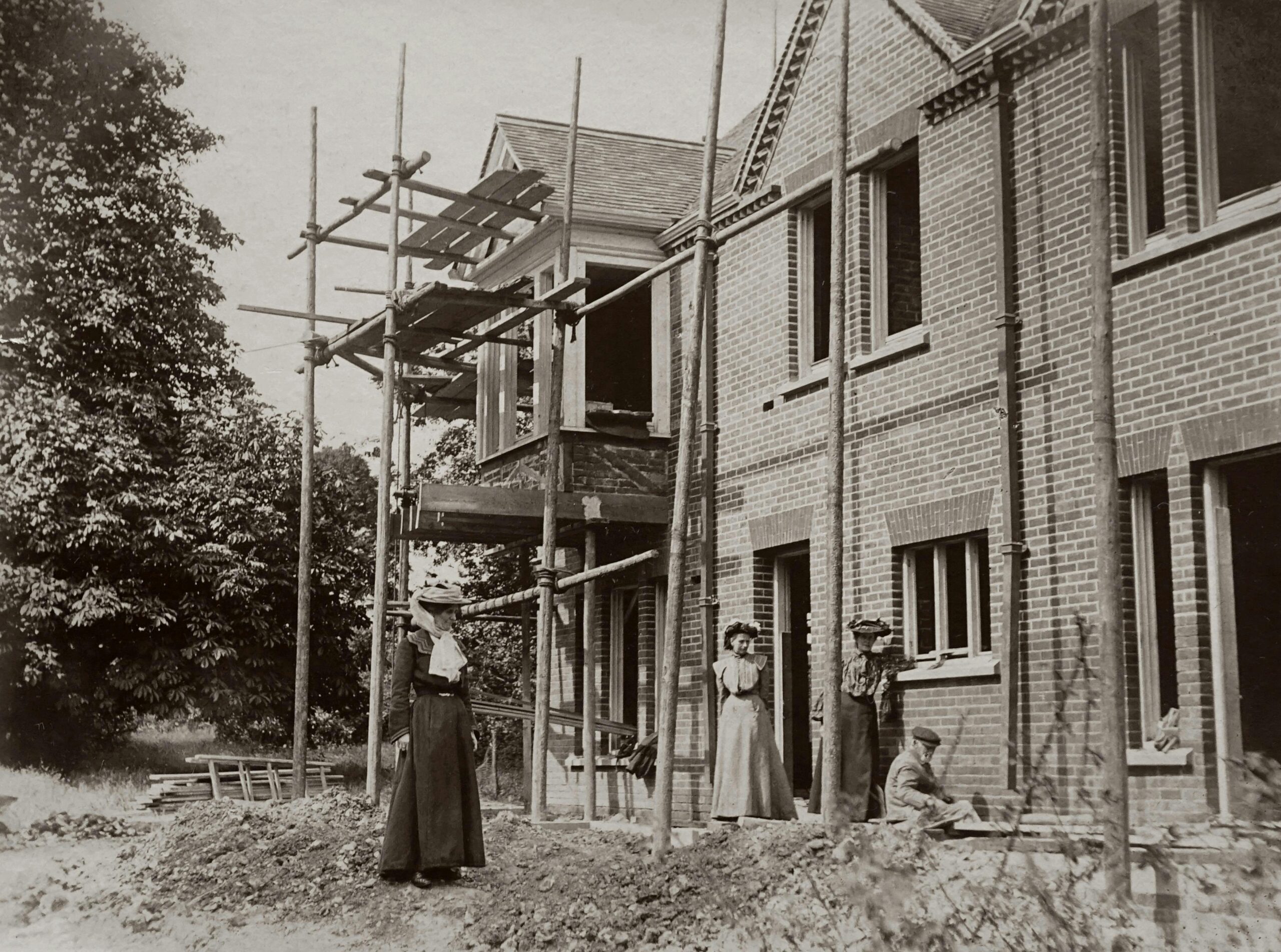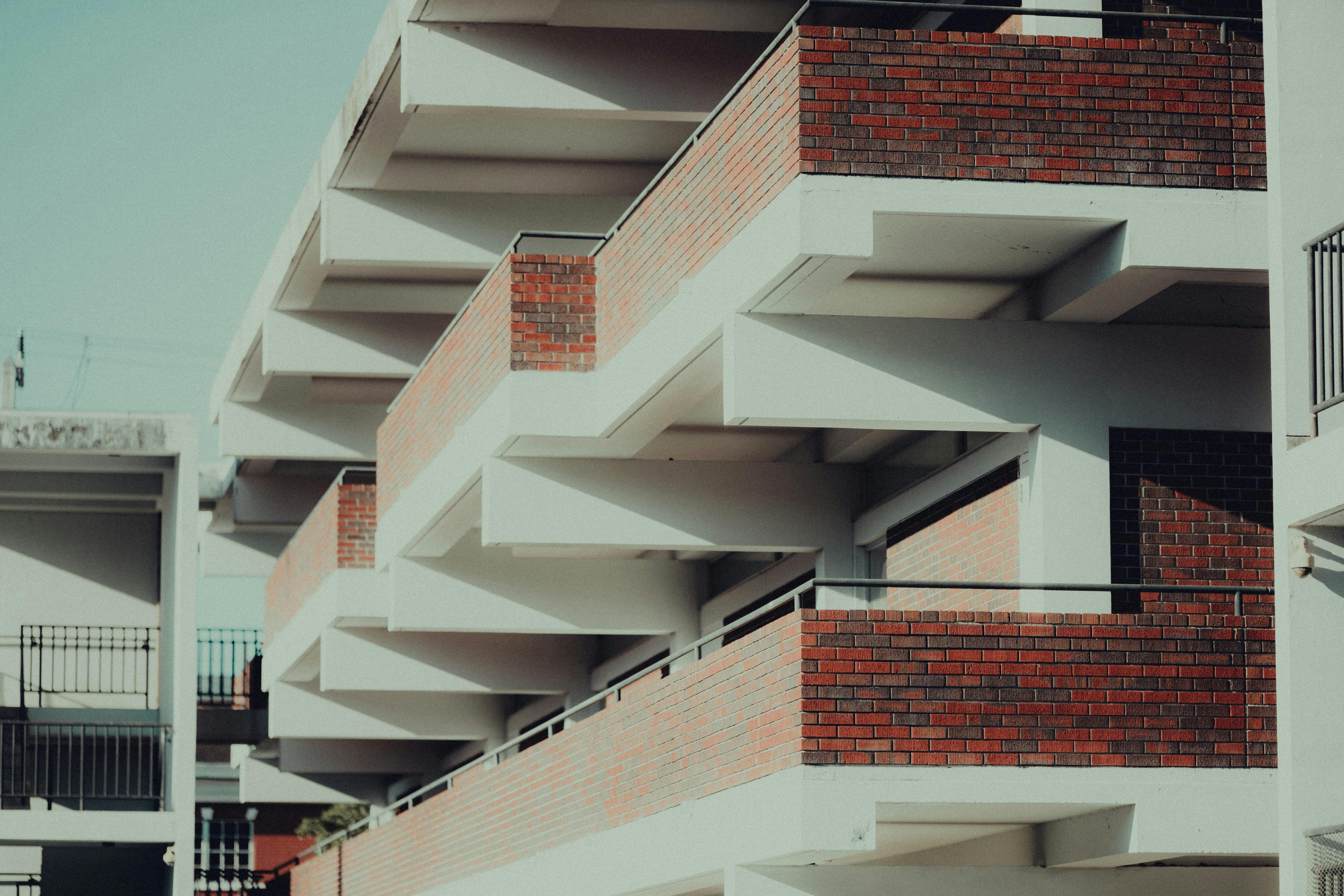
The construction industry stands at a pivotal crossroads where traditional practices meet innovative sustainability solutions, reshaping how we build for generations to come.

As urban populations surge and climate change accelerates, the construction sector faces mounting pressure to reduce its environmental footprint. Buildings account for nearly 40% of global energy consumption and approximately one-third of greenhouse gas emissions worldwide. This staggering impact has catalyzed a fundamental shift toward sustainable construction practices that prioritize environmental stewardship without compromising structural integrity or aesthetic appeal.
The transformation toward greener construction isn’t merely a trend—it represents a necessary evolution in how we conceptualize, design, and execute building projects. From material selection to energy efficiency systems, every aspect of modern construction now demands consideration of long-term environmental consequences. This comprehensive approach integrates ecological responsibility with economic viability, creating structures that serve both present needs and future sustainability goals.
🌱 Understanding Sustainable Construction Standards
Sustainable environmental standards in construction encompass a holistic framework of principles, certifications, and practices designed to minimize ecological damage while maximizing resource efficiency. These standards address multiple dimensions of environmental impact, including carbon emissions, water consumption, waste generation, and ecosystem preservation.
Leading certification systems have emerged as benchmarks for sustainable building practices. LEED (Leadership in Energy and Environmental Design), BREEAM (Building Research Establishment Environmental Assessment Method), and the Living Building Challenge represent gold standards that guide architects, engineers, and contractors toward environmentally responsible decisions. These frameworks evaluate buildings across numerous criteria, from site selection and water efficiency to materials selection and indoor environmental quality.
The implementation of these standards requires comprehensive planning from project inception through completion and beyond. Successful sustainable construction integrates environmental considerations into every phase—conceptual design, material procurement, construction methodology, operational systems, and eventual deconstruction or repurposing. This lifecycle approach ensures that environmental benefits extend far beyond initial construction, delivering long-term value for occupants and communities.
Key Components of Green Building Standards
Sustainable construction standards typically address several fundamental areas that collectively determine a building’s environmental performance. Energy efficiency remains paramount, with standards requiring optimized insulation, high-performance windows, and advanced HVAC systems that dramatically reduce operational energy demands. Modern green buildings often incorporate renewable energy sources such as solar panels, geothermal systems, or wind turbines to achieve net-zero energy status.
Water conservation represents another critical component, with standards promoting low-flow fixtures, rainwater harvesting systems, greywater recycling, and drought-resistant landscaping. These measures can reduce water consumption by 30-50% compared to conventional buildings, addressing growing concerns about freshwater scarcity in many regions.
Material sustainability focuses on selecting resources with minimal environmental impact throughout their lifecycle. This includes using recycled or recyclable materials, locally sourced products that reduce transportation emissions, rapidly renewable resources like bamboo, and materials with low volatile organic compound (VOC) emissions that improve indoor air quality.
🏗️ Innovative Materials Reshaping Construction
The materials revolution in sustainable construction has introduced alternatives that challenge century-old conventions. Cross-laminated timber (CLT) has emerged as a viable substitute for steel and concrete in multi-story buildings, offering comparable strength with significantly lower carbon footprint. This engineered wood product sequesters carbon rather than emitting it, potentially making buildings carbon-negative over their lifecycle.
Recycled and upcycled materials are gaining traction across construction sectors. Recycled steel requires 75% less energy to produce than virgin steel, while recycled concrete aggregate reduces landfill waste and conserves natural resources. Innovative companies are transforming waste streams into building materials—plastic bottles become insulation, reclaimed wood becomes flooring, and industrial byproducts become cement alternatives.
Bio-based materials represent another frontier in sustainable construction. Hempcrete, made from hemp fibers and lime, offers excellent insulation properties while absorbing carbon dioxide as it cures. Mycelium-based materials, grown from fungal networks, provide biodegradable alternatives for insulation and packaging. These biological materials not only reduce environmental impact but also create healthier indoor environments free from toxic off-gassing.
Smart Material Selection Strategies
Choosing sustainable materials requires balancing multiple factors beyond immediate environmental impact. Life cycle assessment (LCA) tools enable construction professionals to evaluate materials from extraction through disposal, identifying hidden environmental costs. Durability considerations ensure that sustainable choices don’t compromise longevity, as premature replacement negates environmental benefits.
Local sourcing strategies reduce transportation emissions while supporting regional economies. When materials travel shorter distances, projects minimize their carbon footprint and often benefit from fresher, higher-quality products. Regional material palettes also create buildings that harmonize with local architectural traditions and environmental conditions.
💡 Energy Efficiency: The Foundation of Green Building
Energy performance stands as perhaps the most impactful aspect of sustainable construction, given buildings’ substantial contribution to global energy consumption. Passive design strategies form the foundation of energy-efficient construction, utilizing building orientation, window placement, thermal mass, and natural ventilation to minimize mechanical heating and cooling requirements.
Advanced envelope systems create highly insulated building shells that dramatically reduce energy loss. Super-insulated walls, triple-glazed windows with low-emissivity coatings, and continuous air barriers prevent heat transfer, maintaining comfortable interior temperatures with minimal energy input. These envelope improvements can reduce heating and cooling loads by 50-70% compared to conventional construction.
Active energy systems complement passive strategies with high-efficiency equipment. Modern heat pumps provide heating and cooling at efficiency levels unimaginable a generation ago, while LED lighting reduces electrical loads by 75% compared to incandescent bulbs. Smart building management systems optimize energy use through occupancy sensors, automated shading devices, and predictive algorithms that anticipate heating and cooling needs.
Renewable Energy Integration
The integration of renewable energy generation transforms buildings from energy consumers to energy producers. Rooftop solar photovoltaic systems have become increasingly affordable and efficient, with some jurisdictions now requiring solar installation on new construction. Building-integrated photovoltaics (BIPV) incorporate solar generation directly into building materials like roof tiles and facade panels, eliminating aesthetic concerns.
Geothermal heat pump systems tap into stable underground temperatures to provide highly efficient heating and cooling. While installation costs remain higher than conventional systems, operational savings and environmental benefits justify the investment for many projects. Wind energy, though less commonly integrated at building scale, offers potential for appropriately sited projects, particularly in urban environments with consistent wind patterns.
💧 Water Management and Conservation
Water sustainability in construction addresses both consumption during building use and broader watershed impacts. Comprehensive water management strategies reduce potable water demand through efficiency fixtures, alternative water sources, and onsite treatment systems. Low-flow toilets, faucets, and showerheads can reduce indoor water use by 30-40% without compromising performance.
Rainwater harvesting systems capture precipitation for non-potable uses like irrigation, toilet flushing, and cooling tower makeup water. Sophisticated systems include filtration and storage to ensure water quality and availability during dry periods. In regions with adequate rainfall, harvested rainwater can meet 50-100% of non-potable water needs.
Greywater recycling systems treat wastewater from sinks, showers, and laundry for reuse in irrigation and toilet flushing. This approach reduces both potable water consumption and wastewater discharge, delivering dual environmental benefits. Modern treatment technologies make greywater systems practical and safe for a wide range of building types.
Stormwater Management Strategies
Sustainable construction addresses stormwater as a resource rather than a waste product. Green roofs absorb rainfall, reduce runoff, provide insulation, and create habitat in urban environments. Permeable paving allows water to infiltrate naturally rather than overwhelming stormwater systems. Bioswales and rain gardens filter pollutants while recharging groundwater, restoring natural hydrological cycles disrupted by conventional development.
🌍 Reducing Construction Waste and Pollution
Construction and demolition waste constitutes a massive environmental challenge, with buildings generating over 600 million tons of waste annually in the United States alone. Sustainable construction practices target waste reduction through careful planning, material optimization, and recycling programs that divert waste from landfills.
Design for disassembly represents a paradigm shift in construction philosophy. Rather than creating permanent assemblies destined for demolition, this approach uses mechanical fasteners and modular components that enable future reconfiguration or material recovery. When buildings eventually reach end-of-life, components can be reused or recycled rather than demolished and landfilled.
Construction waste management plans establish systems for sorting, storing, and recycling materials onsite. Concrete, metals, wood, and cardboard all have established recycling markets, and dedicated waste management can divert 75-90% of construction waste from landfills. Some jurisdictions now mandate waste diversion targets, making comprehensive waste management a regulatory requirement rather than optional practice.
Minimizing Air and Noise Pollution
Construction activities generate significant air quality impacts through dust, diesel emissions, and volatile organic compounds. Sustainable construction protocols include dust suppression measures, low-emission equipment, and proper material storage to minimize air pollution. Electric or alternatively fueled construction equipment reduces diesel particulate emissions that harm both workers and nearby communities.
Noise pollution affects construction workers and surrounding neighborhoods. Thoughtful scheduling, acoustic barriers, and quieter equipment reduce noise impacts while maintaining productivity. These considerations demonstrate respect for community wellbeing and often smooth regulatory approval processes.
🏙️ Creating Healthy Indoor Environments
Sustainable construction extends beyond environmental protection to encompass occupant health and wellbeing. Indoor environmental quality standards address air quality, lighting, acoustics, and thermal comfort—factors that profoundly impact productivity, health, and satisfaction.
Ventilation systems supply adequate fresh air while filtering pollutants and allergens. Energy recovery ventilators capture heat from exhaust air, maintaining energy efficiency while ensuring healthy air exchange rates. Material selection focuses on low-VOC products that don’t release harmful chemicals into indoor air, preventing sick building syndrome and respiratory problems.
Natural lighting strategies maximize daylight penetration through window design, skylights, and light shelves that bounce sunlight deep into building interiors. Abundant natural light improves mood, productivity, and circadian rhythm regulation while reducing electrical lighting loads. When artificial lighting is necessary, full-spectrum LED fixtures mimic natural light quality.
📊 Economic Benefits of Sustainable Construction
While sustainable construction sometimes involves higher upfront costs, lifecycle economics consistently demonstrate financial advantages. Energy-efficient buildings deliver immediate operational savings through reduced utility bills, with payback periods typically ranging from 3-7 years. Over a building’s 30-50 year lifespan, these savings accumulate to substantial sums that far exceed initial investments.
Green buildings command premium lease rates and sales prices, with studies showing 3-8% premiums compared to conventional buildings. Occupants recognize value in lower operating costs, healthier environments, and alignment with sustainability values. Higher occupancy rates and tenant retention further enhance financial performance.
Regulatory trends increasingly favor or mandate sustainable construction practices. Building codes worldwide are adopting stricter energy standards, and some jurisdictions require green building certification for certain project types. Investing in sustainable construction now positions projects ahead of regulatory curves, avoiding costly retrofits to meet future standards.
🚀 The Path Forward: Scaling Sustainable Practices
Transforming construction industry norms requires coordinated action across multiple stakeholders. Policy makers must strengthen building codes, incentivize sustainable practices, and remove regulatory barriers to innovative approaches. Financial institutions should recognize sustainable buildings’ superior risk profiles and offer preferential financing terms.
Education and training programs must equip construction professionals with knowledge and skills for sustainable building. Architecture and engineering curricula should integrate sustainability principles throughout coursework rather than treating them as specialized electives. Trade workers need hands-on training in new materials, techniques, and technologies.
Technology continues advancing sustainable construction capabilities. Building information modeling (BIM) enables sophisticated energy modeling and lifecycle assessment during design phases. Artificial intelligence optimizes building performance in real-time, while blockchain technology could revolutionize material supply chain transparency and circular economy implementation.
Collaborative Innovation and Knowledge Sharing
Industry collaboration accelerates sustainable construction adoption by sharing best practices, lessons learned, and innovative solutions. Organizations like the World Green Building Council, U.S. Green Building Council, and regional associations facilitate knowledge exchange and advocacy. Open-source design resources and case study databases make sustainable strategies accessible to projects of all scales and budgets.
The construction industry’s transformation toward sustainability represents one of humanity’s most critical challenges and opportunities. Buildings shape our daily experiences, consume vast resources, and will either accelerate or mitigate climate change based on how we construct them. By embracing sustainable environmental standards, the industry can build a legacy of structures that serve occupants beautifully while treading lightly on the planet.
This transformation requires commitment from everyone involved in construction—from architects envisioning innovative designs to contractors executing them, from material suppliers developing sustainable products to building owners demanding environmental performance. Together, these efforts are creating a built environment that harmonizes human needs with ecological imperatives, proving that sustainability and quality are not competing values but complementary goals. The future of construction is undeniably green, and that future is being built today, one sustainable project at a time. 🌿