Energy efficiency is no longer optional—it’s essential for cutting costs, protecting the environment, and building a sustainable future for homes and businesses alike.

💡 Why Energy Efficiency Requirements Matter More Than Ever
The world is consuming energy at unprecedented rates, and the environmental and financial consequences are staggering. Energy efficiency requirements have emerged as critical tools for addressing climate change while simultaneously reducing operational costs for consumers and organizations. These regulations set minimum performance standards for appliances, buildings, and industrial equipment, ensuring that energy waste is minimized across all sectors.
According to the International Energy Agency, improving energy efficiency could deliver more than 40% of the emissions reductions needed to meet global climate goals. Beyond environmental benefits, energy-efficient practices translate directly into lower utility bills, increased property values, and enhanced comfort in living and working spaces.
Governments worldwide are implementing stricter energy efficiency requirements, recognizing that smart energy use represents the fastest and most cost-effective pathway to sustainability. For individuals and businesses, understanding and embracing these requirements isn’t just about compliance—it’s about unlocking significant savings and contributing to a healthier planet.
🏠 Understanding Essential Energy Efficiency Standards for Buildings
Buildings account for approximately 40% of global energy consumption, making them a primary target for efficiency improvements. Modern energy efficiency requirements for buildings encompass everything from insulation and window performance to heating, ventilation, and air conditioning (HVAC) systems.
Building energy codes establish minimum efficiency standards for new construction and major renovations. These codes typically address the building envelope—walls, roofs, windows, and foundations—ensuring proper insulation and air sealing to prevent energy loss. High-performance windows with low-emissivity coatings can reduce heat transfer by up to 50% compared to standard single-pane windows.
Key Building Efficiency Components
The thermal envelope represents your first line of defense against energy waste. Proper insulation in attics, walls, and foundations keeps conditioned air inside where it belongs, reducing the workload on heating and cooling systems. Air sealing eliminates drafts and prevents moisture problems that can damage structures over time.
HVAC systems consume the largest portion of energy in most buildings. Energy efficiency requirements now mandate higher Seasonal Energy Efficiency Ratio (SEER) ratings for air conditioners and Annual Fuel Utilization Efficiency (AFUE) ratings for furnaces. Modern heat pumps offer both heating and cooling with efficiency levels that traditional systems simply cannot match.
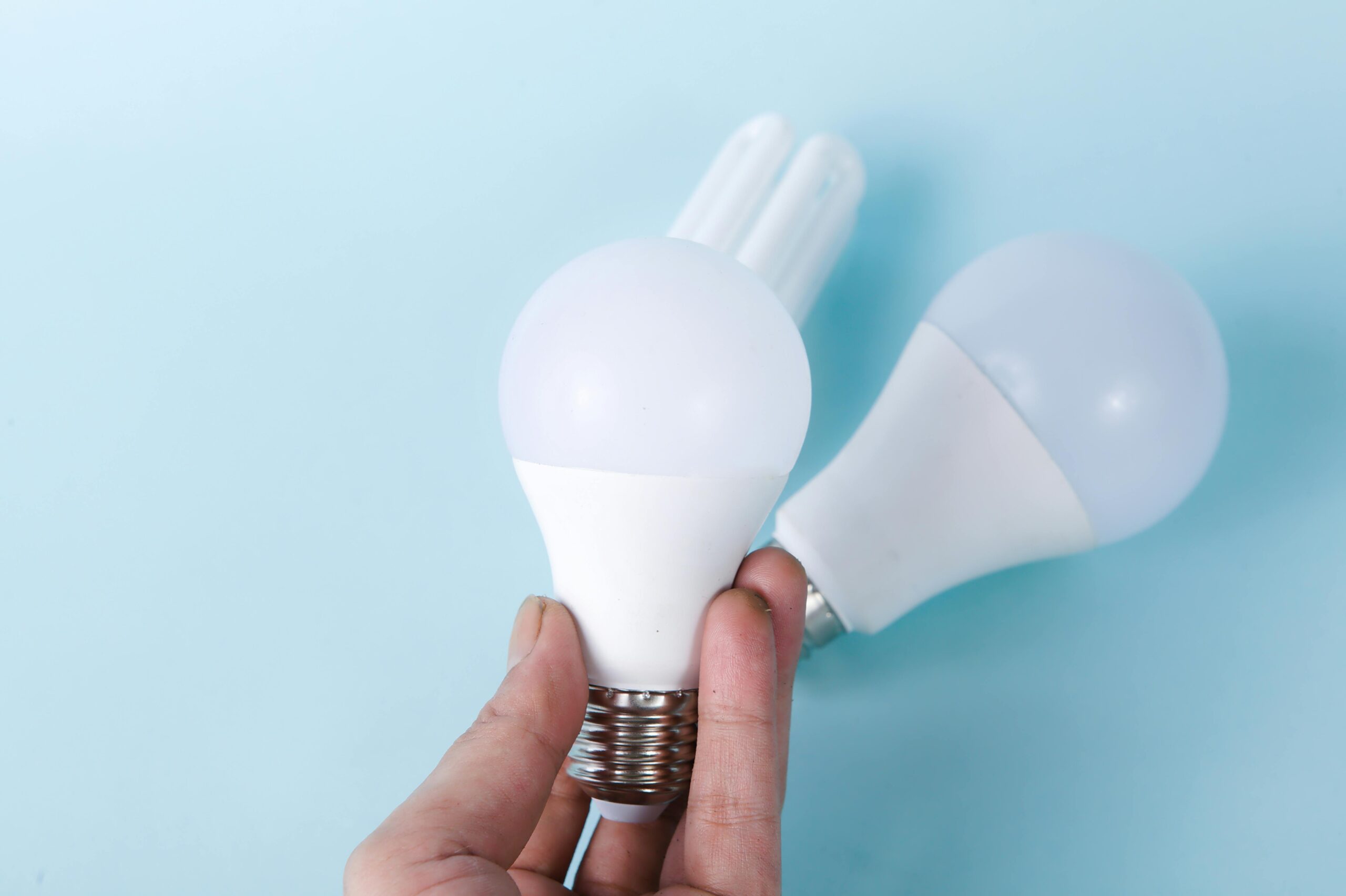
Lighting has undergone a revolution with LED technology, which uses 75% less energy than incandescent bulbs while lasting 25 times longer. Building codes increasingly require LED lighting or equivalent efficiency levels in new construction and renovations.
⚡ Appliance Energy Standards That Impact Your Daily Life
From refrigerators to washing machines, appliances represent a substantial portion of household energy consumption. Appliance energy efficiency requirements have driven remarkable improvements in performance while reducing environmental impact.
The Energy Star program, recognized globally, identifies appliances that meet strict efficiency criteria. An Energy Star certified refrigerator uses about 9% less energy than models meeting the federal minimum standard, while Energy Star washing machines use about 25% less energy and 33% less water than standard models.
Understanding Energy Labels and Ratings
Energy labels provide consumers with transparent information about appliance efficiency and estimated operating costs. The EnergyGuide label, mandatory on most appliances in many countries, displays estimated annual energy consumption and cost, allowing easy comparison between models.
When shopping for new appliances, look beyond the purchase price to consider lifetime operating costs. A more efficient appliance with a higher initial cost often pays for itself within a few years through reduced energy bills, then continues delivering savings throughout its lifespan.
| Appliance Type | Standard Model Annual Cost | Energy Star Model Annual Cost | Annual Savings |
|---|---|---|---|
| Refrigerator | $70 | $60 | $10 |
| Washing Machine | $85 | $55 | $30 |
| Dishwasher | $45 | $35 | $10 |
| Room Air Conditioner | $115 | $85 | $30 |
🌍 Commercial and Industrial Energy Efficiency Requirements
Businesses face unique energy challenges and opportunities. Commercial and industrial facilities typically consume far more energy than residential buildings, making efficiency improvements particularly impactful for both bottom lines and environmental footprints.
Energy management systems (EMS) have become essential tools for commercial operations, providing real-time monitoring and control of energy consumption. These systems identify waste, optimize equipment schedules, and enable predictive maintenance that prevents efficiency losses from equipment degradation.
Industrial Process Optimization
Manufacturing and industrial processes often present the greatest opportunities for energy savings. Motor systems, which account for approximately 70% of industrial electricity use, benefit tremendously from variable frequency drives that adjust motor speed to match actual demand rather than running at full capacity continuously.
Compressed air systems, despite being expensive to operate, frequently suffer from significant leaks and inefficiencies. Regular audits and maintenance of compressed air systems can reduce energy consumption by 20-50%, delivering substantial cost savings.
Waste heat recovery systems capture thermal energy that would otherwise be lost and repurpose it for space heating, water heating, or other processes. Industries ranging from steel manufacturing to data centers are implementing these systems with impressive results.
💰 Financial Incentives and Return on Investment
Energy efficiency improvements require upfront investment, but numerous financial incentives help offset costs while accelerating payback periods. Understanding available programs maximizes the financial benefits of efficiency upgrades.
Government rebates and tax credits frequently cover 10-30% of efficiency improvement costs. Utility companies offer rebates for efficient appliances, HVAC upgrades, and lighting retrofits as part of demand-side management programs. These initiatives help utilities avoid building expensive new power plants while supporting customer savings.
Calculating Your Energy Efficiency ROI
Return on investment for energy efficiency projects varies based on current energy costs, equipment efficiency levels, and usage patterns. Simple payback periods for common improvements include:
- LED lighting upgrades: 1-3 years
- Programmable thermostats: Less than 1 year
- High-efficiency HVAC systems: 5-10 years
- Additional insulation: 4-8 years
- Energy-efficient windows: 8-15 years
- Solar panels combined with efficiency measures: 6-12 years
Beyond direct energy savings, efficiency improvements often deliver additional benefits including increased comfort, improved indoor air quality, reduced maintenance costs, and enhanced property values. Studies show that energy-efficient homes sell for 3-5% more than comparable standard homes.
🔧 Practical Steps to Meet and Exceed Energy Efficiency Requirements
Implementing energy efficiency doesn’t require a complete overhaul overnight. Strategic, phased approaches allow homeowners and businesses to spread costs while progressively reducing energy consumption.
Start with an energy audit to identify your biggest opportunities for improvement. Professional audits use specialized equipment like thermal imaging cameras and blower door tests to pinpoint energy waste that isn’t visible to the naked eye. Many utilities offer free or subsidized audits to their customers.
Quick Wins for Immediate Savings
Some efficiency improvements deliver results immediately with minimal investment. Adjusting thermostat settings by just a few degrees—lower in winter, higher in summer—can reduce heating and cooling costs by 10-15%. Installing programmable or smart thermostats automates these adjustments based on occupancy patterns.
Sealing air leaks around windows, doors, and penetrations for pipes and wiring prevents conditioned air from escaping. Weatherstripping and caulking cost very little but can reduce heating and cooling loads significantly. Focus on attics and basements where temperature differences between inside and outside air are greatest.
Replacing traditional incandescent bulbs with LEDs provides immediate energy savings and eliminates the need for frequent bulb replacements. LEDs also produce less heat, reducing cooling loads during warm months.
Medium-Term Investments for Substantial Impact
Upgrading to high-efficiency appliances when replacements become necessary ensures you’re not locking in years of unnecessary energy consumption. Don’t wait for complete failure—proactively replace older, inefficient units that are nearing end of life.
Water heating accounts for 15-25% of home energy use. Heat pump water heaters use electricity two to three times more efficiently than conventional electric resistance water heaters. Tankless water heaters eliminate standby losses from keeping a large tank hot continuously.
Smart power strips eliminate phantom loads from electronics that draw power even when turned off. These “vampire” loads account for 5-10% of residential electricity use, costing the average household over $100 annually.
📱 Technology and Innovation Driving Energy Efficiency Forward
Emerging technologies are revolutionizing energy efficiency, making it easier than ever to monitor, manage, and minimize energy consumption. Smart home systems integrate lighting, heating, cooling, and appliances into unified platforms that optimize energy use automatically.
Artificial intelligence and machine learning enable predictive energy management that adapts to usage patterns, weather forecasts, and utility rate structures. These systems learn from behavior and continuously refine their operation to maximize efficiency and comfort while minimizing costs.
Internet of Things (IoT) sensors provide granular data about energy consumption at the circuit or even device level. This visibility empowers informed decision-making about where efficiency improvements will deliver the greatest impact.
Renewable Energy Integration
Energy efficiency and renewable energy work synergistically. By reducing overall energy demand through efficiency measures, the required capacity and cost of renewable energy systems decreases proportionally. A home that uses 30% less energy needs 30% fewer solar panels to achieve energy independence.
Battery storage systems are becoming increasingly affordable, allowing homes and businesses to store excess renewable energy for use during peak demand periods when electricity rates are highest. This technology maximizes the financial and environmental benefits of efficiency and renewable investments.
🌱 Environmental Impact Beyond Carbon Emissions
While reduced carbon emissions represent the most discussed environmental benefit of energy efficiency, the positive impacts extend much further. Lower energy consumption reduces demand on power generation infrastructure, decreasing air and water pollution from power plants.
Energy efficiency reduces strain on electrical grids, improving reliability and reducing the likelihood of brownouts and blackouts during peak demand periods. This enhanced grid stability benefits entire communities, not just individual efficiency adopters.
Water consumption closely ties to energy production. Thermoelectric power plants, which generate most electricity, use vast quantities of water for cooling. Every kilowatt-hour saved through efficiency eliminates the need to withdraw and consume water for power generation.
📊 Policy Trends Shaping Energy Efficiency Requirements
Energy efficiency requirements continue evolving as technology advances and climate goals become more ambitious. Understanding emerging policy trends helps individuals and businesses prepare for future requirements while staying ahead of the curve.
Building performance standards are shifting from prescriptive requirements for specific components to outcome-based standards that require buildings to achieve overall energy consumption targets. This approach provides flexibility in how efficiency is achieved while ensuring results.
Zero-energy buildings, which produce as much energy as they consume annually, are transitioning from aspirational goals to mandatory requirements in progressive jurisdictions. California now requires all new residential construction to be solar-ready, with many municipalities going further to mandate solar installation.
Carbon pricing mechanisms, whether through carbon taxes or cap-and-trade systems, create economic incentives for energy efficiency by making energy consumption more expensive. As these policies expand, the financial case for efficiency strengthens correspondingly.
🎯 Taking Action: Your Energy Efficiency Roadmap
Transforming your home or business into an energy-efficient operation requires planning and commitment, but the process doesn’t need to be overwhelming. Breaking the journey into manageable steps ensures steady progress toward your efficiency goals.
Begin by establishing baseline measurements of your current energy consumption. Review utility bills from the past year to understand usage patterns and identify seasonal variations. Many utilities provide online tools that break down consumption by end use, showing how much energy goes to heating, cooling, lighting, and appliances.
Set specific, measurable goals for energy reduction. Whether aiming for a 20% reduction in annual energy costs or achieving a particular certification level, clear targets provide direction and motivation. Track progress regularly to ensure initiatives are delivering expected results.
Prioritize improvements based on your specific situation, considering factors including current equipment condition, available budget, and payback periods. Address the lowest-hanging fruit first to generate savings that can fund subsequent improvements.
Building Your Efficiency Team
Don’t go it alone. Energy efficiency professionals including auditors, contractors, and consultants bring expertise that helps avoid costly mistakes while ensuring improvements are implemented correctly. Verify credentials and seek references to find qualified professionals who understand current efficiency requirements and best practices.
For businesses, engage employees in efficiency efforts through awareness campaigns and incentive programs. Staff members often have valuable insights into operational inefficiencies and can identify opportunities that management might overlook.
Connect with community resources including energy efficiency programs, sustainability organizations, and peer networks. Learning from others who have successfully implemented efficiency measures provides practical guidance and helps avoid common pitfalls.
🚀 The Future is Efficient: Embracing Continuous Improvement
Energy efficiency isn’t a one-time project but an ongoing commitment to continuous improvement. As technology evolves and efficiency requirements advance, new opportunities emerge to further reduce consumption and costs.
Stay informed about emerging technologies, policy changes, and incentive programs through industry publications, utility communications, and professional networks. What seems impractical or expensive today may become accessible and affordable within a few years as markets mature and scale increases.
Regular recommissioning of building systems ensures they continue operating at peak efficiency as equipment ages and usage patterns change. Many efficiency gains degrade over time without attention, making periodic tune-ups essential for maintaining performance.
The transition to a sustainable, energy-efficient future is already underway, driven by climate imperatives, economic benefits, and technological innovation. By embracing essential energy efficiency requirements today, you position yourself at the forefront of this transformation while enjoying immediate savings and contributing to a healthier planet for generations to come.
Power smarter living isn’t just about using less energy—it’s about using energy intelligently to maximize value, comfort, and sustainability. Whether you’re taking your first steps toward efficiency or fine-tuning an already optimized operation, every improvement matters. The combination of reduced operating costs, enhanced comfort and performance, and meaningful environmental impact makes energy efficiency one of the smartest investments available today. Start your efficiency journey now, and discover how requirements designed to protect our planet can simultaneously unlock remarkable savings and create lasting value.