Urban ordinances serve as the backbone of safe, organized cities—empowering communities to thrive through clear rules, accountability, and proactive governance for all residents.

Every day, millions of people navigate bustling streets, crowded sidewalks, and shared public spaces without giving much thought to the invisible framework that keeps chaos at bay. Behind every smoothly functioning neighborhood, orderly traffic pattern, and well-maintained park lies a complex web of urban ordinances—local laws designed to protect citizens, promote harmony, and ensure cities operate efficiently and safely.
These regulations might seem mundane or even restrictive at first glance, but they represent something far more powerful: a collective commitment to safety, quality of life, and sustainable urban development. From noise control measures that protect your sleep to building codes that prevent structural disasters, urban ordinances touch every aspect of city living in ways both obvious and subtle.
🏛️ Understanding the Foundation: What Are Urban Ordinances?
Urban ordinances are locally enacted laws that govern behavior, development, and activities within a municipality’s boundaries. Unlike federal or state laws that apply broadly across large geographic areas, ordinances address specific community needs and reflect local priorities, culture, and challenges.
These regulations cover an expansive range of topics—from where businesses can operate and how tall buildings can rise, to when garbage collection occurs and whether chickens can be kept in residential yards. City councils, mayors, and local government bodies create these rules through democratic processes, ideally with community input and engagement.
The power of ordinances lies in their adaptability. A coastal city might prioritize flood prevention and hurricane preparedness regulations, while a landlocked metropolitan area focuses more on air quality standards and traffic management. This localized approach ensures that laws remain relevant and responsive to the unique circumstances facing each community.
🛡️ The Safety Imperative: How Ordinances Protect Communities
Safety stands as the primary justification for most urban ordinances. Building codes prevent structural failures that could injure or kill occupants. Fire safety regulations mandate sprinkler systems, proper egress routes, and fire-resistant materials in construction. Zoning laws separate incompatible land uses—keeping hazardous industrial facilities away from schools and residential neighborhoods.
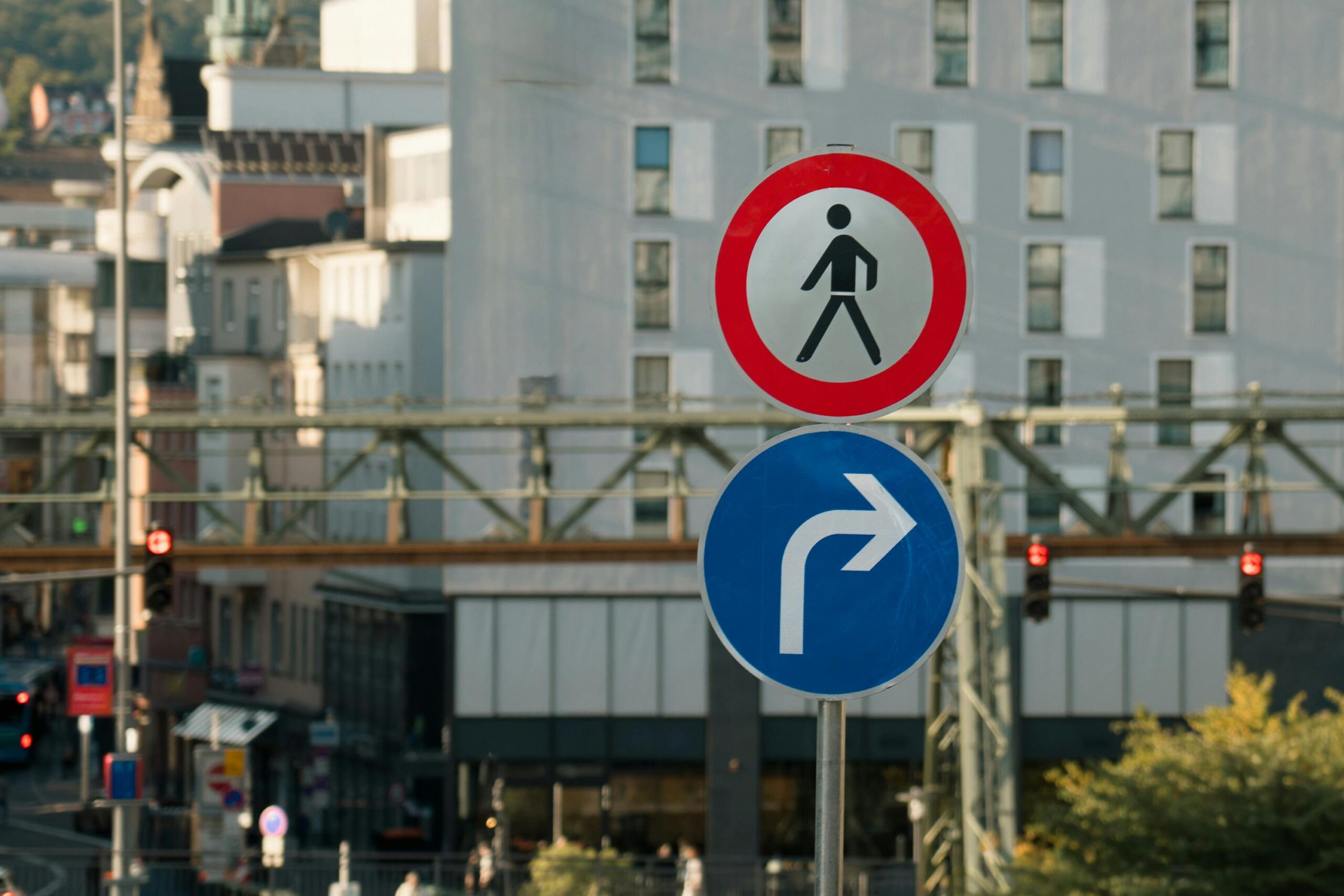
Traffic ordinances represent perhaps the most visible safety regulations in urban environments. Speed limits, stop signs, crosswalk requirements, and parking restrictions all serve to reduce accidents and protect vulnerable road users, including pedestrians, cyclists, and children. Studies consistently show that well-enforced traffic ordinances dramatically reduce fatalities and serious injuries in urban settings.
Public health ordinances address another critical dimension of community safety. Restaurant inspection requirements, waste disposal regulations, and vector control measures protect residents from foodborne illnesses, sanitation hazards, and disease transmission. During the COVID-19 pandemic, many cities demonstrated the crucial role of local health ordinances in controlling virus spread and protecting vulnerable populations.
Criminal Activity Prevention Through Smart Regulation
Beyond obvious safety measures, strategic ordinances can significantly reduce criminal activity. Well-designed lighting requirements for public spaces discourage illegal behavior by eliminating shadows where crimes occur unobserved. Property maintenance ordinances that require owners to secure vacant buildings prevent these structures from becoming havens for illegal activities.
Nuisance ordinances address quality-of-life crimes such as excessive noise, public intoxication, and disorderly conduct. While some critics view these as overly restrictive, research demonstrates that addressing low-level disorder prevents the escalation to more serious criminal behavior—a principle known as the “broken windows theory” in criminology.
🌆 Smart Growth: Ordinances Shaping Modern Urban Development
Contemporary cities face unprecedented challenges: climate change, population growth, housing affordability crises, and infrastructure strain. Progressive urban ordinances offer powerful tools for addressing these complex, interconnected problems through intelligent land use planning and development regulation.
Zoning ordinances have evolved far beyond simple residential/commercial/industrial categorizations. Modern mixed-use zoning encourages walkable neighborhoods where people can live, work, and play without lengthy commutes. Transit-oriented development ordinances incentivize high-density construction near public transportation hubs, reducing car dependency and associated emissions.
Affordable housing ordinances—including inclusionary zoning requirements that mandate developers include below-market-rate units in new projects—address the housing crisis affecting cities worldwide. While controversial among some property rights advocates, these regulations help maintain economic diversity and prevent the displacement of long-term residents from gentrifying neighborhoods.
Environmental Sustainability Through Local Law
Cities increasingly recognize that environmental protection cannot wait for national or international action. Local environmental ordinances fill critical gaps, addressing issues from stormwater management and tree preservation to energy efficiency requirements and plastic bag bans.
Green building codes require new construction to meet specific sustainability standards—incorporating solar panels, using recycled materials, maximizing natural light, and minimizing energy consumption. These ordinances not only reduce environmental impact but also lower long-term operating costs for building owners and tenants.
Urban agriculture ordinances represent an innovative approach to food security, community building, and vacant lot utilization. By clarifying rules around community gardens, rooftop farming, and even small-scale livestock keeping, cities empower residents to produce food locally while greening urban landscapes.
⚖️ Balancing Freedom and Regulation: The Ongoing Debate
Urban ordinances inevitably generate tension between individual liberty and collective welfare. Property owners may bristle at restrictions on how they can use or modify their land. Business operators sometimes view safety and licensing requirements as burdensome red tape. Civil libertarians question surveillance measures and behavioral regulations.
These concerns merit serious consideration. Overly restrictive ordinances can stifle innovation, economic opportunity, and personal expression. Inconsistent enforcement can lead to perceptions of unfairness or discrimination. Poorly designed regulations may achieve little actual benefit while imposing significant costs.
The most effective ordinances strike a careful balance—protecting legitimate public interests while preserving maximum individual freedom. This requires ongoing dialogue between government officials, community members, business interests, and advocacy groups. Sunset provisions that require periodic review ensure regulations remain relevant rather than becoming outdated legacy rules.
📱 Technology Transforming Ordinance Compliance and Enforcement
Digital innovation is revolutionizing how cities create, communicate, and enforce ordinances. Mobile applications now allow residents to report code violations, dangerous conditions, and maintenance issues instantly with geotagged photos—accelerating government response times and improving accountability.
Geographic Information Systems (GIS) enable precise mapping of zoning districts, permit applications, and compliance data. Property owners can quickly determine which regulations apply to their location, while city planners gain powerful analytical tools for identifying patterns and optimizing resource allocation.
Automated enforcement systems—from traffic cameras detecting speeding violations to sensors monitoring noise levels—improve consistency and reduce the need for labor-intensive manual oversight. While privacy concerns require careful implementation, these technologies can enhance both compliance rates and public trust in fair enforcement.
Open Data and Transparency Initiatives
Progressive municipalities now publish ordinance violation data, inspection records, and enforcement statistics online in accessible formats. This transparency enables journalists, researchers, and engaged citizens to identify problems, hold officials accountable, and advocate for policy improvements based on empirical evidence.
Some cities have developed comprehensive digital platforms that consolidate all municipal codes, making regulations searchable and understandable for average residents without legal training. Interactive tools explain how ordinances apply to specific situations, demystifying complex regulatory frameworks and promoting voluntary compliance.
🤝 Community Engagement: The Key to Effective Urban Regulation
The most successful urban ordinances emerge from genuine community participation rather than top-down imposition. When residents understand the rationale behind regulations and have meaningful input into their design, compliance increases and enforcement becomes less adversarial.
Public hearings, community workshops, and online comment periods provide formal channels for citizen engagement in the ordinance-creation process. However, truly inclusive participation requires proactive outreach to marginalized communities who may face barriers to traditional civic participation—including language access, meeting scheduling that accommodates work schedules, and childcare provision.
Neighborhood associations and community organizations serve as vital intermediaries, translating resident concerns into policy proposals and helping explain new regulations to their constituencies. Cities that invest in these partnerships benefit from more grounded, practical ordinances that address actual community needs rather than theoretical problems.
Educational Campaigns Driving Compliance
Even well-designed ordinances fail if people remain unaware of their requirements. Strategic public education campaigns—using social media, local media partnerships, community events, and targeted mailings—ensure residents and businesses understand new regulations before enforcement begins.
Grace periods and warning systems give violators opportunities to achieve compliance voluntarily, reserving penalties for persistent non-compliance. This approach acknowledges that most violations stem from ignorance rather than defiance, fostering cooperation rather than resentment toward regulatory authorities.
🌍 Learning from Global Best Practices
Cities worldwide are experimenting with innovative ordinances that other municipalities can adapt to their contexts. Barcelona’s superblock initiative redesigns street networks to prioritize pedestrians over cars through traffic ordinances that restrict vehicle access in designated zones. Singapore’s strict cleanliness regulations have created one of the world’s most orderly urban environments.
Copenhagen’s bicycle infrastructure requirements demonstrate how supportive ordinances can transform transportation patterns—the city now has more bicycle commuters than car drivers. Tokyo’s flexible zoning approach allows small businesses to operate in predominantly residential areas, creating vibrant, walkable neighborhoods.
These international examples illustrate that urban ordinances need not be merely restrictive—they can actively shape positive outcomes, encouraging desired behaviors while maintaining essential safeguards. The key lies in clear objectives, evidence-based design, and willingness to adjust approaches based on results.
🚀 The Future of Urban Ordinances: Adapting to Emerging Challenges
Tomorrow’s cities will face challenges that current ordinances cannot adequately address. Autonomous vehicles will require new traffic regulations and liability frameworks. Short-term rental platforms like Airbnb demand updated housing and hotel ordinances. Electric scooters and other micro-mobility devices need safety standards and operational rules.
Climate adaptation will drive ordinances requiring resilient infrastructure—elevating critical systems above flood levels, mandating cool roofs to reduce urban heat islands, and restricting development in high-risk areas. Extreme weather events will necessitate emergency preparedness requirements for buildings and businesses.
Facial recognition technology, predictive policing algorithms, and other surveillance capabilities raise profound civil liberties questions that ordinances must address. How cities regulate these powerful tools will determine whether technology enhances or undermines democratic values and individual privacy.
Flexibility and Experimentation in Regulatory Frameworks
Rather than attempting to anticipate every future scenario, forward-thinking cities are building adaptive capacity into their regulatory systems. Pilot programs allow temporary ordinance suspensions to test innovative approaches. Regulatory sandboxes permit controlled experimentation with new business models or technologies under close oversight.
Performance-based codes specify desired outcomes rather than prescriptive methods, encouraging innovation while maintaining safety standards. This approach recognizes that rigid rules quickly become obsolete in rapidly changing technological and social landscapes.
💡 Empowering Citizens as Safety Partners
The most resilient, safest communities view ordinances not as external impositions but as collective commitments that everyone shares responsibility for upholding. When residents understand themselves as active participants in urban governance rather than passive subjects of regulation, compliance becomes a matter of civic pride rather than merely avoiding penalties.
Neighborhood watch programs, business improvement districts, and volunteer code compliance ambassadors extend regulatory capacity while strengthening social bonds. These initiatives work best when officially supported and coordinated with municipal enforcement, creating partnerships that leverage both government authority and community knowledge.
Education programs in schools can cultivate understanding of urban ordinances from an early age, explaining how rules enable shared spaces to function and encouraging young people to participate in democratic processes that shape their communities. This long-term investment pays dividends as informed citizens who engage constructively with local governance throughout their lives.
🎯 Measuring Success: Data-Driven Ordinance Evaluation
How do cities know whether their ordinances actually work? Robust evaluation frameworks measure outcomes rather than merely tracking enforcement activities. Did traffic fatalities decrease after implementing new speed limits? Have complaint calls diminished following nuisance ordinance revisions? Are affordable housing requirements actually producing accessible units?
Regular assessment enables evidence-based refinements, doubling down on effective approaches while abandoning or redesigning policies that fail to achieve intended results. This continuous improvement mindset prevents regulatory accumulation—the tendency for outdated ordinances to remain on the books indefinitely simply because no one bothered reviewing them.
Comparative analysis across similar cities provides valuable insights into which regulatory approaches work best in various contexts. Professional organizations facilitate this knowledge exchange, helping municipal officials learn from peers’ successes and failures rather than reinventing solutions to common challenges.
🔑 Unlocking Your Community’s Safety Potential
Urban ordinances represent far more than bureaucratic rules—they embody a community’s values, aspirations, and commitment to creating environments where all residents can thrive safely. Whether you’re a concerned citizen, local official, business owner, or community organizer, you have a role in shaping and supporting the regulatory frameworks that make your city safer and smarter.
Start by familiarizing yourself with the ordinances affecting your neighborhood. Attend city council meetings when regulations relevant to your interests are under consideration. Join community associations working to address local safety concerns. Report violations through proper channels rather than ignoring problems or taking matters into your own hands.
If you identify gaps in existing regulations or believe current ordinances need revision, engage constructively with the democratic process. Gather data supporting your position, build coalitions with neighbors sharing your concerns, and present solutions rather than merely complaints. Change happens when engaged citizens work collaboratively with officials toward shared goals.
The power of urban ordinances ultimately derives from collective commitment—the recognition that individual freedom flourishes within thoughtfully designed frameworks that protect everyone’s wellbeing. By understanding, supporting, and thoughtfully critiquing these essential tools of urban governance, we unlock their potential to create the safer, smarter, more vibrant communities we all deserve.
Cities are humanity’s greatest invention, enabling unprecedented density, diversity, innovation, and opportunity. Urban ordinances, at their best, allow this magnificent complexity to function harmoniously—protecting the vulnerable, promoting fairness, encouraging sustainability, and empowering communities to continuously improve. The future of urban safety lies not in simply more regulations, but in smarter, more responsive, more equitable ordinances shaped by and for the people they serve.