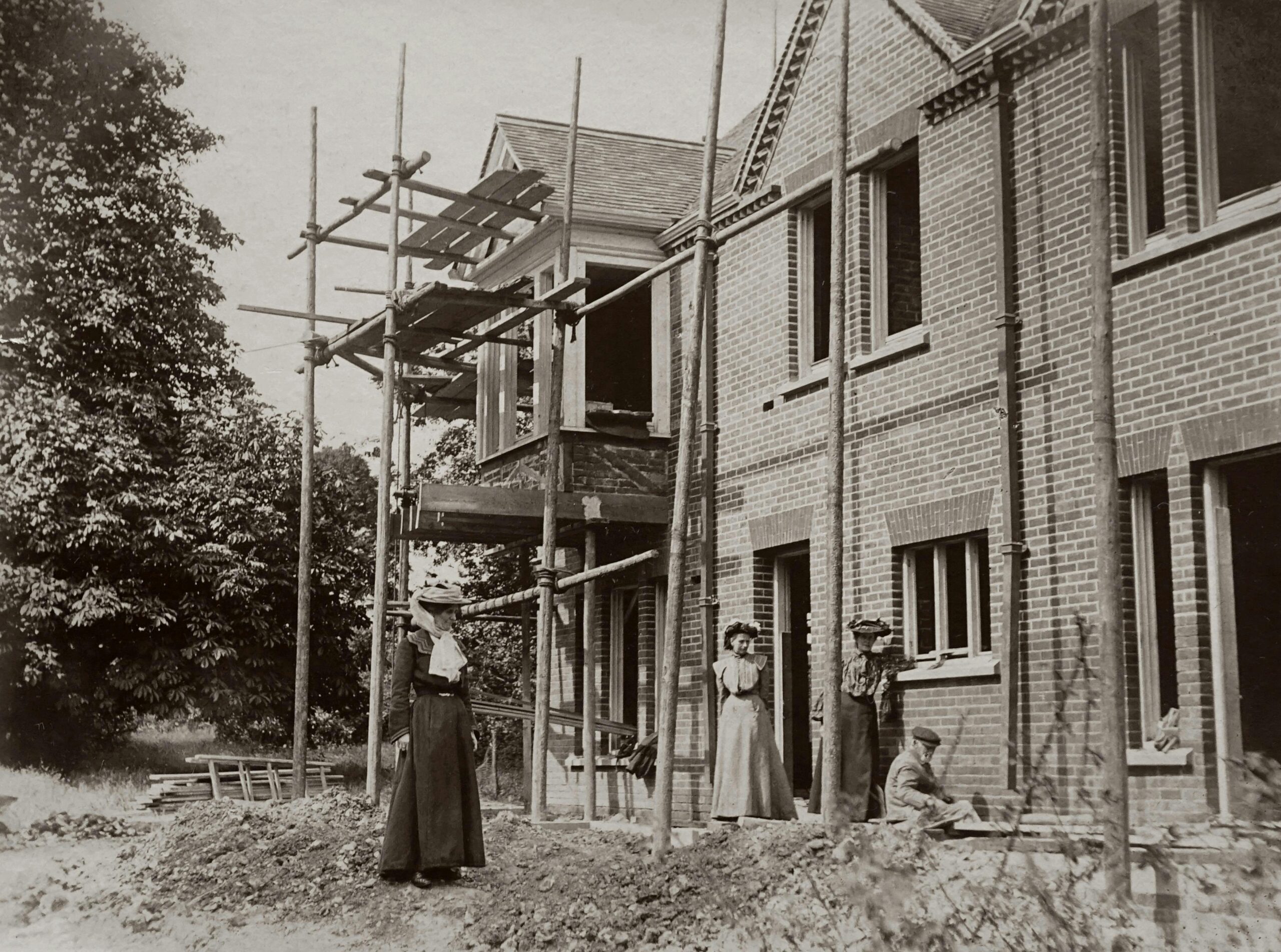
Zoning law serves as the invisible architect shaping our cities, neighborhoods, and the way we live, work, and play in modern communities.

From towering skyscrapers in bustling downtown districts to quiet residential streets lined with single-family homes, zoning regulations dictate what can be built where, how tall structures can rise, and what activities can take place in different areas. Understanding these foundational principles isn’t just for lawyers and planners—it’s essential knowledge for developers, business owners, homeowners, and anyone invested in creating vibrant, sustainable communities.
This comprehensive guide explores the fundamentals of zoning law, revealing how these regulations function as the blueprint for smarter urban planning and thriving neighborhoods. Whether you’re navigating a property development project, advocating for community improvements, or simply curious about the rules governing your local landscape, mastering zoning basics empowers you to participate meaningfully in shaping the built environment.
🏛️ The Historical Roots: Why Zoning Laws Exist
Zoning regulations emerged in the early 20th century as American cities grappled with rapid industrialization and uncontrolled growth. Before zoning, factories could operate next to homes, creating health hazards and diminishing quality of life. The landmark 1916 New York City Zoning Resolution marked the first comprehensive zoning ordinance in the United States, establishing separate districts for different land uses.
The Supreme Court validated zoning’s constitutionality in the 1926 Village of Euclid v. Ambler Realty Co. case, establishing that municipalities could reasonably regulate land use to protect public health, safety, and welfare. This decision opened the floodgates for communities nationwide to adopt zoning ordinances tailored to their unique needs and visions.
Today’s zoning laws balance multiple competing interests: property rights, economic development, environmental protection, historic preservation, and community character. They serve as society’s collective decision about how land should be used, reflecting values about density, aesthetics, sustainability, and social equity.
Decoding the Zoning Map: Understanding District Classifications
Every municipality with zoning maintains a zoning map dividing the jurisdiction into distinct districts, each with specific regulations. These classifications typically fall into several broad categories that form the backbone of land use planning.
Residential Zones: Where Communities Call Home
Residential districts are designed primarily for housing and compatible uses. These zones typically include multiple subcategories based on density and housing type—from low-density single-family zones (often labeled R-1 or RS) to high-density multifamily zones (R-3, R-4, or RM). Regulations in residential zones govern lot sizes, building heights, setbacks, parking requirements, and the number of dwelling units permitted.
Many communities include transitional residential zones that allow duplexes, townhouses, or small apartment buildings, creating gradients between low-density neighborhoods and more intensive development. Understanding these distinctions is crucial when purchasing property or planning residential projects.
Commercial Zones: Hubs of Economic Activity
Commercial districts accommodate retail, office, and service businesses. These zones range from neighborhood commercial (C-1) serving local daily needs to regional commercial (C-3 or C-4) hosting big-box retailers and major shopping centers. Commercial zoning addresses building size, parking ratios, signage, hours of operation, and compatibility with surrounding uses.
Mixed-use zones have gained popularity in recent years, allowing residential units above ground-floor retail—a formula that creates walkable, vibrant neighborhoods while maximizing land efficiency. These districts reflect contemporary urban planning philosophy emphasizing connectivity and reduced automobile dependence.
Industrial Zones: Manufacturing and Distribution Centers
Industrial districts accommodate manufacturing, warehousing, distribution, and heavy commercial uses that may generate noise, traffic, or other impacts incompatible with residential areas. Light industrial (M-1) zones typically allow less intensive operations, while heavy industrial (M-2 or M-3) zones permit more impactful activities.
Modern industrial zoning increasingly addresses technology campuses, data centers, and flex spaces that blur traditional boundaries between office and manufacturing uses. Environmental performance standards regulate emissions, noise levels, and other external effects.
Special Purpose Districts: Tailored Solutions for Unique Areas
Beyond standard categories, communities create overlay districts, planned unit developments (PUDs), and special-purpose zones addressing unique circumstances. Historic districts protect architectural heritage, agricultural zones preserve farmland, and environmental overlay districts protect wetlands, floodplains, or critical habitats.
📋 The Anatomy of Zoning Regulations: What Rules Actually Govern
Zoning ordinances contain detailed regulations controlling development within each district. Understanding these dimensional and use requirements is essential for anyone navigating the development process.
Use Regulations: What Activities Are Permitted
Zoning codes classify uses into categories: permitted by right (allowed without special approval), conditional or special uses (allowed with additional review), and prohibited uses. This classification system ensures compatible activities cluster together while separating potentially conflicting uses.
Use definitions matter enormously. Is a yoga studio a retail use, a personal service, or a recreation facility? How that question is answered determines where such businesses can locate. Savvy developers and business owners carefully review use tables and definitions before committing to properties.
Dimensional Standards: The Physical Envelope
Dimensional regulations control the physical characteristics of development through specific measurements and ratios:
- Setbacks: Minimum distances buildings must be set back from property lines, streets, and other structures
- Height limits: Maximum building heights measured in feet or stories, often varying by zone
- Lot coverage: Maximum percentage of a lot that buildings can occupy
- Floor area ratio (FAR): Ratio of total building floor area to lot size, controlling overall building bulk
- Minimum lot size: Smallest lot dimensions permitted for development
- Building separation: Required distances between structures on the same lot
These standards collectively shape neighborhood character, control density, ensure adequate light and air, and maintain compatibility between adjacent properties.
Parking Requirements: The Hidden Cost Driver
Parking regulations significantly impact development feasibility and cost. Traditional zoning requires minimum parking spaces based on use type and size—typically expressed as ratios like “4 spaces per 1,000 square feet of retail” or “2 spaces per dwelling unit.” These mandates can consume substantial land and construction budgets.
Progressive communities increasingly adopt maximum parking limits, eliminate minimums in transit-served areas, or allow shared parking arrangements. These reforms recognize that excessive parking mandates increase development costs, encourage automobile dependence, and consume land that could accommodate additional housing or amenities.
🔄 Flexibility Mechanisms: When Standard Rules Don’t Fit
Recognizing that rigid regulations can’t anticipate every situation, zoning codes include flexibility mechanisms allowing deviation from standard requirements under appropriate circumstances.
Variances: Relief from Hardship
Variances provide relief from dimensional standards when strict application creates practical difficulties or unnecessary hardship due to unique property conditions. Area variances address dimensional requirements like setbacks or height, while use variances (less commonly granted) allow otherwise prohibited uses.
Obtaining variances requires demonstrating that hardship results from property characteristics, not owner actions, and that the variance won’t substantially harm the public interest or neighborhood character. Standards vary by jurisdiction, but courts generally scrutinize use variances more strictly than dimensional relief.
Conditional Use Permits: Special Circumstances
Conditional or special use permits allow uses that may be appropriate in certain locations with additional conditions ensuring compatibility. Churches, schools, gas stations, and drive-through facilities often require conditional use approval even in zones where they’re generally allowed.
The approval process evaluates specific site plans, often imposing conditions addressing traffic, lighting, buffering, hours of operation, or other factors. Unlike variances, conditional uses don’t require demonstrating hardship—only that the proposed use meets established criteria.
Rezoning and Amendments: Changing the Rules
Property owners can petition for rezoning (changing a property’s zoning classification) or text amendments (modifying ordinance language). These legislative actions require public hearings and often comprehensive review of consistency with comprehensive plans and community goals.
Spot zoning—rezoning small parcels inconsistent with surrounding areas and comprehensive plans—faces legal vulnerability. Successful rezoning typically demonstrates changed conditions, planning consistency, or community benefit justifying the change.
🌱 Contemporary Zoning Challenges and Innovations
Modern communities confront complex challenges that traditional zoning wasn’t designed to address. Progressive jurisdictions are adopting innovative approaches reflecting contemporary priorities.
The Affordable Housing Crisis: Zoning as Barrier and Solution
Restrictive zoning significantly contributes to housing affordability challenges by limiting supply and increasing development costs. Single-family-only zoning covering vast residential areas, minimum lot sizes, parking mandates, and lengthy approval processes all inflate housing costs.
Reformers advocate for zoning changes including allowing accessory dwelling units (ADUs), legalizing “missing middle” housing types like duplexes and fourplexes in residential zones, reducing parking requirements, and streamlining approval processes. Some states have enacted legislation overriding local zoning restrictions to encourage housing production.
Inclusionary zoning requires or incentivizes developers to include affordable units in new projects, directly addressing affordability through land use regulation. These programs vary widely in design and effectiveness, balancing affordability goals with development feasibility.
Environmental Sustainability Through Smart Zoning
Climate change awareness is transforming zoning priorities. Green building requirements, solar access protections, tree preservation ordinances, and low-impact development standards increasingly appear in zoning codes. Transit-oriented development zones encourage density near public transportation, reducing automobile dependence and emissions.
Form-based codes, which regulate building form and relationship to streets rather than use categories, support walkable, mixed-use development patterns that reduce vehicle miles traveled. These codes prioritize physical outcomes over segregated uses, reflecting New Urbanist planning principles.
Equity and Exclusionary Zoning’s Legacy
Zoning’s history includes deliberate use as a tool for racial and economic exclusion. Large-lot requirements, single-family-only restrictions, and other regulations effectively excluded lower-income households and, particularly during the segregation era, people of color from certain neighborhoods.
Addressing this legacy requires confronting how zoning perpetuates segregation and limits opportunity. Equity-focused reforms seek to expand housing choices, ensure meaningful community participation in planning processes, and evaluate how regulations affect different populations.
🛠️ Navigating the Zoning Process: Practical Strategies
Whether you’re developing property, starting a business, or advocating for community changes, understanding how to effectively navigate zoning processes is invaluable.
Research and Due Diligence
Before purchasing property or committing to plans, thoroughly research zoning regulations and restrictions. Review the zoning map, ordinance text, comprehensive plan, and any overlay districts affecting the property. Many municipalities provide online zoning information, though interpretation often requires professional assistance.
Title reports reveal recorded restrictions like covenants or easements that may impose additional limitations beyond zoning. Environmental assessments identify constraints like wetlands or contamination affecting development potential.
Pre-Application Consultation
Most planning departments offer pre-application meetings where staff provide informal feedback on proposed projects. These consultations help identify potential issues early, clarify requirements, and streamline formal application processes. Building relationships with planning staff facilitates smoother approvals.
Community Engagement
Successful projects typically involve meaningful community engagement before formal applications. Reaching out to neighbors, neighborhood associations, and other stakeholders builds support and identifies concerns that can be addressed through project design. Controversial projects that skip this step often face organized opposition during public hearings.
💡 The Future of Zoning: Emerging Trends and Opportunities
Zoning continues evolving to address emerging challenges and reflect changing values about urban life, sustainability, and community.
Technology is transforming both zoning administration and enforcement. Digital permitting systems streamline applications, GIS-based zoning maps improve accessibility, and automated compliance checking accelerates reviews. Predictive analytics help planners anticipate development patterns and infrastructure needs.
The pandemic accelerated trends toward remote work, outdoor dining, and flexible space use that challenge traditional zoning categories. Communities are adapting regulations to accommodate pop-up retail, parklets, and the blurring boundaries between residential and commercial activities.
Performance-based zoning, which regulates impacts rather than uses, offers flexibility while protecting legitimate community interests. Rather than prohibiting uses categorically, these systems establish performance standards for noise, traffic, emissions, or other measurable effects.

Building Better Communities Through Informed Participation
Mastering zoning law foundations empowers citizens, developers, and leaders to shape communities intentionally rather than by default. These regulations represent collective choices about what kind of places we want to create and inhabit—choices that profoundly affect housing affordability, environmental sustainability, economic opportunity, and quality of life.
The most successful communities approach zoning not as rigid restrictions but as flexible tools serving broader visions articulated in comprehensive plans and community conversations. They balance property rights with community interests, accommodate growth while preserving character, and update regulations reflecting contemporary challenges and values.
For individuals navigating development projects, understanding zoning fundamentals means avoiding costly mistakes, identifying opportunities others miss, and engaging effectively in approval processes. For community advocates, zoning literacy enables meaningful participation in decisions shaping neighborhood futures.
As cities confront housing shortages, climate change, equity challenges, and evolving economic conditions, zoning reform will remain at the forefront of urban policy debates. Those who understand these foundational principles—how regulations work, where flexibility exists, and how change happens—are positioned to contribute meaningfully to creating thriving, sustainable, equitable communities.
The blueprint for smarter urban planning starts with zoning law fundamentals. By unlocking this knowledge, we gain the tools to build the vibrant, inclusive, resilient communities our future demands. Whether you’re a developer, policymaker, business owner, or engaged citizen, investing time in understanding zoning pays dividends in better outcomes for everyone who calls your community home. 🏘️