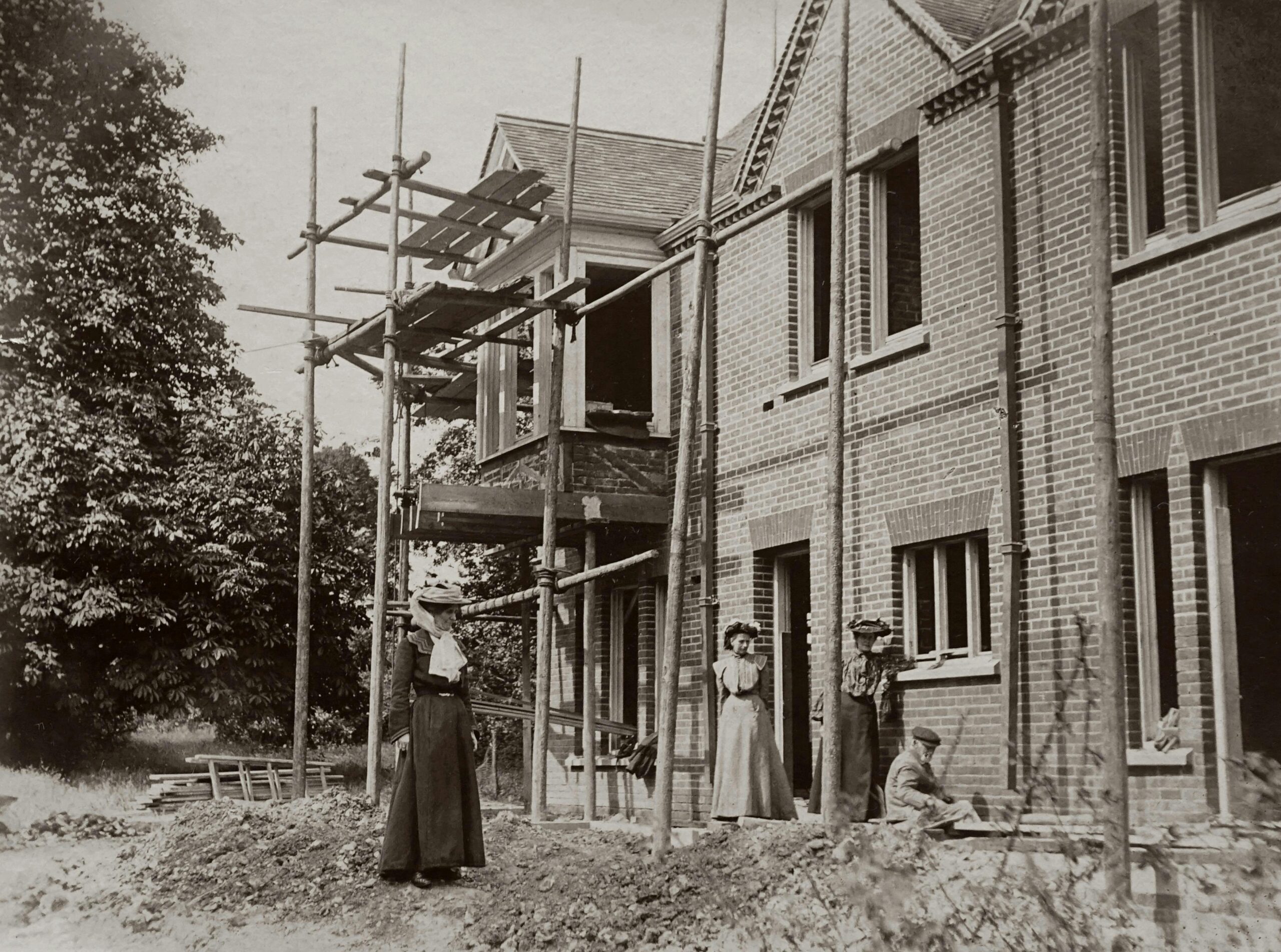
Fire safety regulations have transformed from basic guidelines into comprehensive frameworks that protect millions of lives worldwide, evolving rapidly to address modern challenges and technological advances.

🔥 The Historical Spark: Where Fire Safety Regulations Began
The journey of fire safety regulations is written in the ashes of tragedy. Throughout history, catastrophic fires have served as painful catalysts for change, pushing societies to develop protective measures that we now take for granted. The Great Fire of London in 1666, which destroyed over 13,000 houses, became a turning point that sparked the first systematic approach to building codes and urban planning with fire prevention in mind.
In the United States, the Triangle Shirtwaist Factory fire of 1911 claimed 146 lives and became a watershed moment for workplace safety regulations. This tragedy exposed the deadly consequences of locked exit doors, inadequate fire escapes, and the absence of sprinkler systems. The public outcry that followed led to sweeping reforms in building codes, labor laws, and fire safety standards that continue to influence regulations today.
These historical disasters taught humanity a crucial lesson: reactive measures cost lives, while proactive regulations save them. This realization set the foundation for the rapid evolution of fire safety standards we witness in the modern era.
The Acceleration of Modern Fire Safety Standards
The past few decades have witnessed an unprecedented acceleration in fire safety regulation development. This rapid evolution stems from several converging factors: technological advancements, increased urbanization, climate change impacts, and a growing understanding of fire behavior and human response during emergencies.
Modern fire safety codes now encompass a holistic approach that addresses prevention, detection, suppression, and evacuation. The International Building Code (IBC) and International Fire Code (IFC) are updated every three years, reflecting the dynamic nature of fire safety science. These regular updates ensure that regulations keep pace with new building materials, construction techniques, and occupancy patterns.
Key Drivers Behind Regulatory Evolution
Several factors have propelled fire safety regulations forward at an impressive rate:
- Advanced Fire Science Research: Universities and research institutions worldwide conduct sophisticated studies on fire dynamics, smoke movement, and human behavior during emergencies, providing evidence-based foundations for new regulations.
- Technology Integration: Smart detection systems, advanced suppression technologies, and building automation systems have created new possibilities for fire prevention and response.
- Global Collaboration: International organizations facilitate knowledge sharing, allowing best practices to spread rapidly across borders.
- High-Profile Incidents: Tragedies like the Grenfell Tower fire in 2017 continue to expose gaps in existing regulations, spurring immediate regulatory reviews and updates.
- Climate Change Considerations: Increasing wildfire risks and extreme weather events have expanded the scope of fire safety planning beyond individual buildings to entire communities.
🏢 Revolutionary Changes in Building Design and Construction
Contemporary fire safety regulations have fundamentally transformed how architects and engineers approach building design. Fire-resistant materials, compartmentalization strategies, and advanced suppression systems are no longer afterthoughts but integral components of the initial design process.
Modern building codes mandate specific fire resistance ratings for structural elements based on building height, occupancy type, and use. For instance, high-rise buildings must incorporate multiple layers of protection including fire-resistant construction materials, automatic sprinkler systems, smoke control systems, and multiple egress routes. These requirements have driven innovation in construction materials, leading to the development of fire-resistant glass, intumescent coatings, and advanced fireproofing systems.
Passive and Active Fire Protection Integration
Today’s regulations emphasize the synergy between passive and active fire protection systems. Passive measures like fire-rated walls, doors, and floors work alongside active systems such as sprinklers, alarms, and smoke extraction systems to create comprehensive protection strategies. This integrated approach represents a significant evolution from earlier regulations that often treated these elements separately.
The concept of “performance-based design” has also gained traction, allowing engineers to demonstrate compliance through advanced modeling and simulation rather than prescriptive requirements alone. This flexibility encourages innovation while maintaining safety standards, enabling unique architectural solutions that might not fit traditional code prescriptions.
💼 Workplace Safety: From Factories to Home Offices
Occupational fire safety regulations have expanded dramatically to cover diverse work environments. Traditional industrial settings continue to receive rigorous attention, but regulations now extend to modern workplaces including tech campuses, healthcare facilities, educational institutions, and increasingly, home offices.
The Occupational Safety and Health Administration (OSHA) in the United States and equivalent bodies worldwide have developed comprehensive fire safety standards covering emergency action plans, fire prevention plans, portable fire extinguishers, fixed fire suppression systems, and employee training requirements. These regulations mandate regular inspections, maintenance schedules, and documented training programs.
The COVID-19 pandemic and the subsequent shift toward remote work created new regulatory challenges. Fire safety authorities have begun addressing how traditional workplace safety standards translate to home office environments, particularly regarding electrical safety, heating equipment, and emergency egress from residential spaces used for commercial purposes.
🏘️ Residential Fire Safety: Protecting Homes and Families
Residential fire safety regulations have undergone remarkable transformation, moving from minimal requirements to comprehensive protection systems. Smoke alarms, once optional, are now mandatory in virtually all jurisdictions, with specific requirements for placement, interconnection, and power sources.
Modern residential codes increasingly mandate sprinkler systems in new construction, a requirement that has sparked debate due to cost implications but has proven effectiveness in reducing fire deaths. Studies show that residential sprinklers reduce the risk of dying in a home fire by approximately 80% and decrease property damage by 70%.
Smart Home Integration and Fire Safety
The smart home revolution has created opportunities for enhanced residential fire safety. Modern regulations are beginning to accommodate and sometimes encourage smart detection systems that can differentiate between burning toast and actual fires, reducing false alarms while providing faster notification through smartphone alerts. These systems can automatically contact emergency services, unlock doors for firefighter access, and even initiate ventilation protocols.
However, regulatory frameworks are still catching up with this technology, working to establish standards for system reliability, cybersecurity, and backup power requirements to ensure these advanced systems enhance rather than compromise safety.
🌍 Global Standards and International Harmonization
As global commerce and travel intensify, the need for harmonized fire safety standards becomes increasingly critical. Organizations like the International Organization for Standardization (ISO), the National Fire Protection Association (NFPA), and regional bodies work toward creating compatible standards that facilitate international construction projects and ensure consistent safety levels worldwide.
The European Union’s Construction Products Regulation (CPR) exemplifies this harmonization effort, establishing common technical language and performance criteria for construction products, including their fire safety characteristics. This regulatory framework enables products tested and certified in one member country to be marketed throughout the EU, while maintaining high safety standards.
However, significant variations persist between countries and regions, reflecting different risk profiles, construction traditions, and economic considerations. Developing nations face particular challenges in implementing advanced fire safety standards due to resource constraints, requiring innovative approaches that balance safety and affordability.
🚒 Emergency Response and Evacuation Protocols
Modern fire safety regulations extend beyond physical infrastructure to encompass human behavior and emergency response procedures. Comprehensive evacuation planning, regular drills, clear signage, and emergency lighting are now standard requirements across most building types.
Regulations increasingly recognize that different populations require tailored evacuation strategies. Healthcare facilities must plan for patients with limited mobility, schools must account for children’s needs, and high-rise buildings must coordinate phased evacuations to prevent stairwell congestion. These considerations have led to sophisticated emergency planning requirements supported by regular training and documented procedures.
Technology-Enhanced Emergency Response
Emerging regulations address how technology can improve emergency response. Mass notification systems, real-time building status dashboards for firefighters, and elevator use protocols in high-rises represent areas where regulations are evolving to leverage technological capabilities. Some jurisdictions now require buildings to provide firefighters with digital floor plans and system status information accessible through mobile devices.
🔍 Inspection, Enforcement, and Compliance Challenges
Even the most comprehensive regulations are ineffective without proper enforcement. Fire safety inspection regimes have become more sophisticated, employing risk-based approaches that allocate inspection resources according to building hazard profiles. High-risk occupancies like nightclubs, hospitals, and high-rises receive more frequent and detailed inspections than lower-risk properties.
Many jurisdictions now utilize digital inspection systems that track compliance history, schedule follow-ups automatically, and provide data analytics to identify systematic issues. These systems improve inspection efficiency and consistency while creating accountability for both building owners and inspection authorities.
However, enforcement challenges persist. Budget constraints limit inspection frequency, building owners sometimes prioritize costs over compliance, and the complexity of modern systems requires increasingly specialized inspector knowledge. Addressing these challenges requires ongoing investment in inspection infrastructure and personnel training.
📱 Digital Tools Transforming Fire Safety Management
The digital revolution has created powerful tools for fire safety compliance and management. Building Information Modeling (BIM) software now incorporates fire safety analysis, allowing designers to identify and resolve safety issues during the planning phase. Mobile applications enable property managers to conduct self-inspections, schedule maintenance, and document compliance activities.
Training and education have also been transformed by digital tools. Virtual reality simulations allow occupants to experience emergency scenarios safely, improving their preparedness for actual events. Online platforms provide accessible fire safety training for employees, with tracking systems ensuring compliance with regulatory training requirements.
🌱 Environmental Sustainability and Fire Safety
Contemporary fire safety regulations increasingly intersect with environmental sustainability goals. This intersection creates both challenges and opportunities as regulators balance fire protection with environmental protection. Green building materials, renewable energy systems, and energy-efficient designs must meet fire safety standards without compromising either objective.
Solar panel installations, increasingly common on residential and commercial buildings, present specific fire safety concerns addressed by evolving regulations. Requirements now cover panel placement, firefighter access pathways, rapid shutdown systems, and electrical safety measures. Similarly, regulations for battery energy storage systems address fire risks associated with lithium-ion batteries while enabling renewable energy adoption.
Water conservation efforts sometimes conflict with traditional fire suppression systems that require significant water supplies. This tension has driven innovation in alternative suppression agents and systems that use water more efficiently, with regulations evolving to accommodate these technologies while maintaining protection levels.
🚀 Future Trajectories: Where Fire Safety Regulations Are Heading
The rapid evolution of fire safety regulations shows no signs of slowing. Several emerging trends will shape the regulatory landscape in coming years. Artificial intelligence and machine learning will enable predictive fire risk assessment, potentially allowing regulations to shift from reactive to predictive frameworks that identify and address risks before incidents occur.
Climate change will continue driving regulatory adaptation, particularly regarding wildfire protection for buildings in wildland-urban interface areas. Expect more stringent requirements for defensible space, fire-resistant construction materials, and ember-resistant ventilation systems in vulnerable regions.
Nanotechnology and advanced materials will create new possibilities for fire protection, from self-extinguishing materials to ultra-effective thermal barriers. Regulations will need to establish testing protocols and performance standards for these innovations, balancing the encouragement of beneficial technologies with ensuring their effectiveness and safety.
Addressing Equity and Accessibility
Future regulations will likely place greater emphasis on equity, ensuring that fire safety protections extend equally to all communities regardless of economic status. This focus may include more flexible compliance pathways for older buildings, financial incentives for safety upgrades, and particular attention to vulnerable populations including elderly residents, people with disabilities, and low-income communities that historically face higher fire risks.

🎯 The Path Forward: Building a Fire-Resilient Society
The rapid rise of fire safety regulations represents more than just expanding rule books; it reflects society’s commitment to protecting lives and property through evidence-based standards that evolve with emerging risks and capabilities. The journey from basic fire prevention measures to today’s comprehensive, technology-enabled safety frameworks demonstrates humanity’s capacity to learn from tragedy and apply that knowledge to prevent future losses.
Success requires continued collaboration among regulators, researchers, industry professionals, and the public. Regulations must remain dynamic, incorporating new knowledge and technologies while maintaining practical applicability and enforcement feasibility. The goal is not simply more regulations, but smarter, more effective standards that genuinely enhance safety without imposing unnecessary burdens.
Education and awareness remain critical components of fire safety success. Even the most sophisticated regulations and systems cannot overcome human complacency or ignorance. Ongoing public education initiatives, professional training programs, and community engagement ensure that people understand not just what regulations require, but why those requirements matter.
As we look toward the future, the rapid evolution of fire safety regulations offers grounds for optimism. Fire death rates have declined significantly in countries with comprehensive regulatory frameworks and effective enforcement. While challenges remain, particularly in developing regions and with emerging technologies, the trajectory is clear: thoughtful, evidence-based regulations create safer environments for everyone.
The trail blazed by fire safety regulations leads toward a future where fires cause less devastation, where buildings actively protect their occupants, and where tragedies like those that sparked the regulatory movement become increasingly rare. Maintaining progress on this path requires sustained commitment, continued investment, and recognition that fire safety is not merely a regulatory checkbox but a fundamental component of livable, resilient communities. Through ongoing adaptation and improvement of fire safety standards, we create not just compliant buildings, but genuinely safer spaces where people can live, work, and thrive with confidence.